
Asustor Drivestor 4 Gen 2
4.0Editor score
Affordable price point
2.5GbE network port
Btrfs snapshot support
This guide compares the top 4 Bay NAS models for home and business, evaluating performance storage capacity and software features to help you choose the right
A 4 Bay NAS provides flexible storage for media, backups, and shared files across devices. It supports RAID configurations for data protection and handles multiple users without slowing down your network connections.
We evaluated ten leading models based on processor power, memory capacity, network speeds, and software ecosystems. Our analysis covers entry-level options to high-performance units designed for creators and small business teams.
Each pick highlights key strengths, ideal use cases, and potential trade-offs to help you decide. Note that prices and stock levels change frequently, so verify current availability before making your final purchase decision online.
4.0Editor score
4.6Editor score

4.4Editor score
The following table presents a side by side comparison of all ten products featured in this guide. It highlights core specifications such as processor type, memory capacity, network connectivity, and storage limits to help you quickly identify the model that fits your technical requirements and budget constraints.



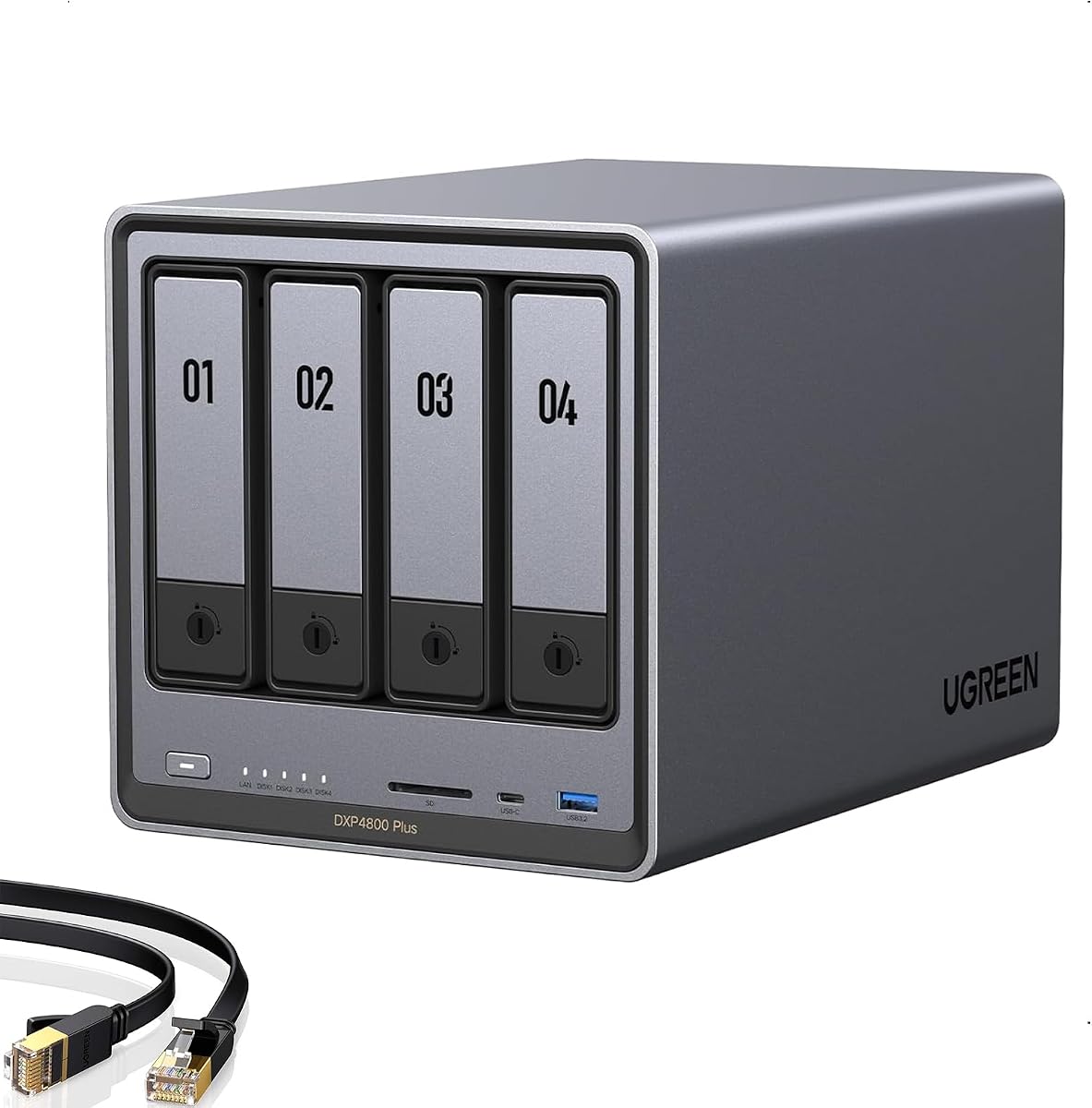
The UGREEN NAS DXP4800 Plus stands out as the top recommendation for most users seeking a balance of performance and ease of use. With a 4.6 star rating and robust specs, it handles media streaming, backups, and Docker apps efficiently.
We may earn a commission when you buy through this link, at no additional cost to you.
Its Intel N5095 processor paired with 8GB RAM ensures smooth multitasking even when multiple users access files simultaneously. The 10GbE network port enables rapid file transfers, making it ideal for creators working with large 4K video files or design assets.
While the lack of built-in Wi-Fi means you must rely on wired connections, this trade-off improves stability and speed for stationary setups. Setting up third-party applications like Plex requires some manual configuration, which may challenge less technical users.
This model is best suited for small businesses, tech enthusiasts, and families who want a private cloud with professional features. Its user-friendly app and comprehensive support center make it a reliable long-term investment for your digital data.
The 10GbE port and 10Gbps USB ports allow backups of 1GB files in under a second, significantly outpacing traditional Gigabit NAS models.
UGOS Pro offers a clean interface with guided setup, Docker support, and AI photo albums that recognize faces and scenes automatically.
We may earn a commission when you buy through this link, at no additional cost to you.
For those seeking an entry point into network attached storage without breaking the bank, the Asustor Drivestor 4 Gen 2 offers exceptional value. Its quad-core processor and 2.5GbE port provide reliable performance for basic home and office tasks.
We may earn a commission when you buy through this link, at no additional cost to you.
The standout feature is its support for Btrfs file system with snapshots, which protects against accidental data loss and ransomware attacks. This enterprise-grade protection at a budget price makes it a smart choice for safeguarding important family documents or media.
However, the 1GB RAM limit may restrict heavy multitasking or virtual machine usage. It is designed primarily for file sharing and media streaming rather than complex server applications.
This NAS is perfect for users transitioning from cloud storage or external drives who prioritize cost-effectiveness. Its easy setup and remote access features ensure you can manage your private cloud efficiently without technical headaches.
Btrfs snapshots and WORM technology keep your files immutable and safe from ransomware, providing peace of mind for critical backups.
The quad-core CPU supports smooth 4K media playback and streaming directly to smart TVs or mobile devices on your network.
We may earn a commission when you buy through this link, at no additional cost to you.
The UGREEN NAS DXP4800 Pro is engineered for professionals who demand top-tier performance and flexibility. With an Intel Core i3 processor and DDR5 RAM, it handles virtual machines and Docker containers effortlessly, acting as a private workstation.
We may earn a commission when you buy through this link, at no additional cost to you.
Its mixed network ports, including 10GbE and 2.5GbE, allow for high-speed data transfers and redundant connections. This makes it ideal for video editors or developers working with large datasets or running multiple development environments.
While the cost is higher than standard models, the hardware capabilities justify the investment for power users. The system supports extensive storage expansion up to 144TB, ensuring you never face capacity limitations.
This model is recommended for IT teams, developers, and businesses needing robust security and virtualization. Its enterprise-grade features and privacy certifications ensure your sensitive data remains secure and compliant.
The 13th Gen Intel Core i3 processor with 8 threads delivers smooth multitasking for VMs and heavy workloads.
Data Vault encryption and ETSI certification provide multiple layers of protection for sensitive business files.
We may earn a commission when you buy through this link, at no additional cost to you.
Synology continues to lead in software quality, and the DS425+ reflects this with its robust DSM operating system. It is designed for teams needing centralized storage, file sharing, and surveillance capabilities in a single device.
We may earn a commission when you buy through this link, at no additional cost to you.
The unit supports 278 MB/s speeds for fast transfers and allows access for over 10 users simultaneously. Its photo management and surveillance tools are among the most polished in the market.
One limitation is that the RAM is not easily expandable to large capacities, which might limit heavy virtualization. Additionally, the premium price reflects the high quality of support and software updates provided.
Choose this model if you prioritize reliability, long-term software support, and team collaboration features. It is an excellent investment for businesses or power users who value system stability.
Granular access controls and audit logs help manage file permissions securely across your organization.
Multi-layered data protection with snapshots and RAID prevents data loss from any cause.
We may earn a commission when you buy through this link, at no additional cost to you.
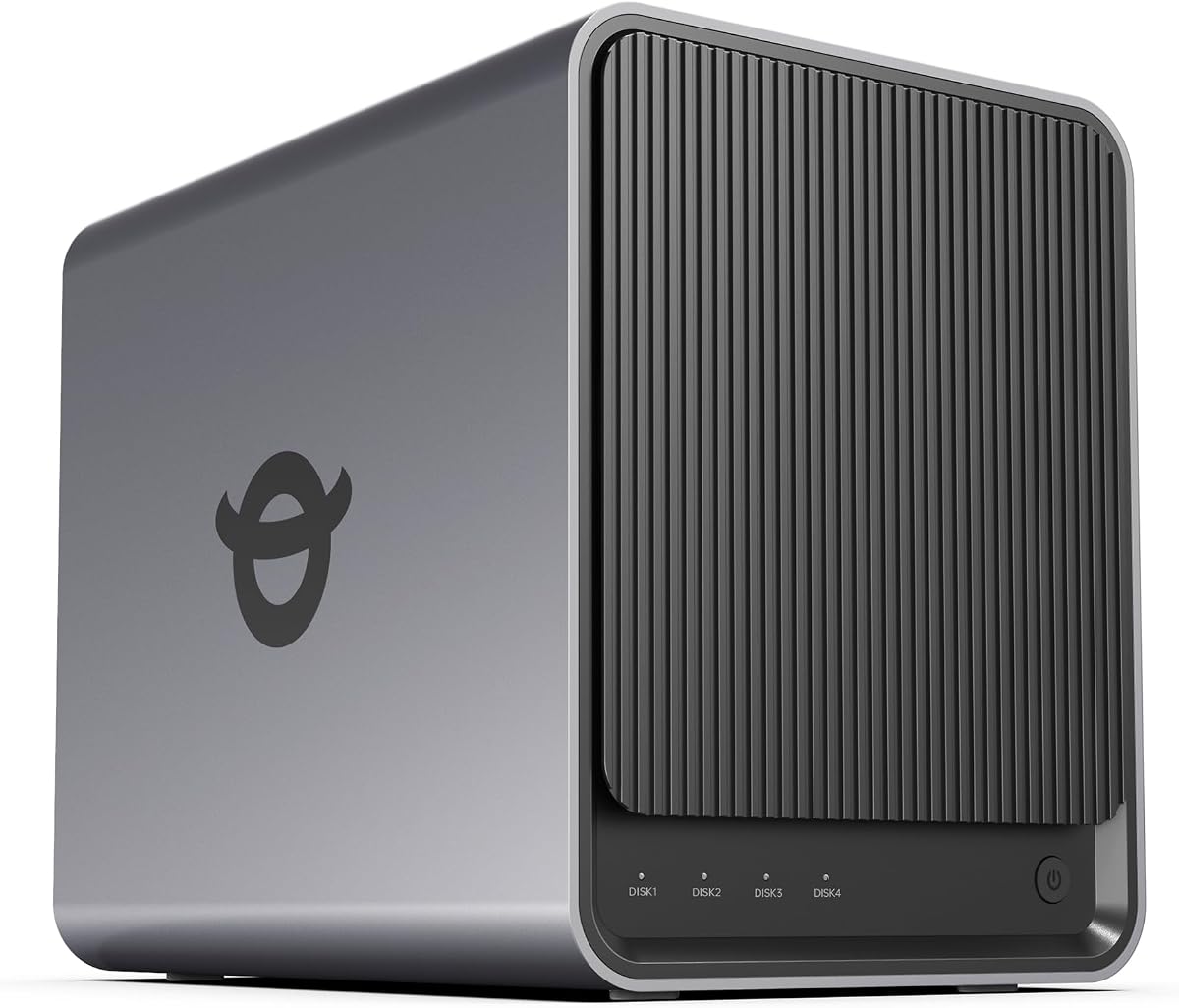
The UGREEN NAS DH4300 Plus is tailored for beginners who want a simple way to back up photos and files. Its user-friendly interface and guided setup make it easy to create a private cloud without technical experience.
We may earn a commission when you buy through this link, at no additional cost to you.
With an Intel N5095 processor and 8GB RAM, it handles family media backups and remote access efficiently. The AI photo album organizes images automatically, saving time and keeping memories accessible.
While it lacks virtual machine support, this limitation keeps costs low and simplifies usage for home users. The magnetic dust cover and NFC connectivity add thoughtful touches to the physical design.
This model is ideal for families and remote workers switching from public cloud services. It offers significant long-term savings compared to monthly subscription plans while providing full control over your data.
Beginner-friendly manuals and video guides ensure you can set up and manage the NAS with confidence.
AI recognizes faces and duplicates to organize your library efficiently, making storage management effortless.
We may earn a commission when you buy through this link, at no additional cost to you.
The TERRAMASTER F4-425 delivers strong performance for its price, making it a compelling option for budget-conscious buyers. Its Intel processor and 2.5GbE port ensure fast transfers and smooth media playback for home users.
We may earn a commission when you buy through this link, at no additional cost to you.
Operating at just 21dB, it is one of the quietest NAS units available, perfect for bedrooms or living rooms. The tool-free drive trays make installation quick and easy without needing special tools.
However, the software ecosystem is less developed than competitors like Synology or UGREEN. You may find fewer native apps, requiring reliance on third-party solutions for advanced needs.
This NAS is best for users who want reliable storage and basic media server functions without complexity. It provides a solid foundation for a private cloud with minimal fuss.
Low noise operation ensures the device does not disrupt your home environment during heavy usage or backups.
Hardware 4K decoding supports smooth streaming on Plex or Jellyfin for your home entertainment setup.
We may earn a commission when you buy through this link, at no additional cost to you.
The Synology DS925+ focuses on network reliability and data throughput. With dual 2.5GbE ports, it offers increased redundancy and faster speeds compared to standard single port models.
We may earn a commission when you buy through this link, at no additional cost to you.
It handles data transfers at up to 565 MB/s, making it suitable for office environments where multiple users access files. The DSM software provides a polished experience with intuitive management tools.
On the downside, the 2GB RAM is low for modern workloads and may limit future upgrades or virtualization capabilities. You might need to consider models with more memory for growing needs.
This model is best for small offices or home users who prioritize network redundancy and brand reliability. Its warranty and support ensure you have assistance when you need it.
Dual ports allow for link aggregation and failover, keeping your network connection stable even if one port fails.
High read/write speeds ensure quick access to large files and smooth performance during backups.
We may earn a commission when you buy through this link, at no additional cost to you.
The Yxk Zero1 Pro offers a compelling mix of hardware and flexibility for DIY enthusiasts. Its Intel N100 processor is power-efficient yet capable of handling everyday storage and media tasks effectively.
We may earn a commission when you buy through this link, at no additional cost to you.
A unique feature is the 4K HDMI output, allowing the NAS to connect directly to a TV for media playback. This adds versatility for home theater setups without needing an extra streaming device.
The hardware supports installing third-party operating systems like TrueNAS or Unraid, giving advanced users full control. However, the default software may not be as refined as established brands.
This model is ideal for tech-savvy users who want hardware flexibility at a reasonable price. It supports rich media playback and flexible storage configurations for custom home server projects.
Direct HDMI connection allows you to use the NAS as a standalone media player for your TV.
M.2 NVMe slots support up to 2 x 8TB SSDs for caching or high-speed storage needs.
We may earn a commission when you buy through this link, at no additional cost to you.
The UGREEN NAS DXP4800 GT is optimized for creators and teams needing high-speed data access. Its dual 10GbE ports provide aggregate speeds of up to 2.5GB/s, perfect for editing large video files directly from the NAS.
We may earn a commission when you buy through this link, at no additional cost to you.
It features a built-in surveillance center that supports ONVIF and RTSP cameras, turning the NAS into a complete security hub. This integrates monitoring with storage, simplifying your home security setup.
Memory is expandable to 64GB, ensuring you can handle heavy workloads as your needs grow. Plex can run via Docker, though it requires manual configuration which might be technical for some.
Choose this model if you need professional-grade network speeds and security features. It provides local privacy and robust performance for creative workflows and small business environments.
Link aggregation on dual 10GbE ports delivers faster backups and smoother multi-user access for teams.
The surveillance center offers live view, PTZ control, and event detection without extra cloud subscriptions.
We may earn a commission when you buy through this link, at no additional cost to you.
The Synology DS423 focuses on security and ease of use for family and small business backups. It offers snapshot technology and ransomware-resistant backups to keep your data safe from threats.
We may earn a commission when you buy through this link, at no additional cost to you.
File sharing is intuitive, replacing services like Dropbox with a local solution that gives you full control. The surveillance support allows you to monitor property with up to 30 IP cameras seamlessly.
Network ports are Gigabit rather than 2.5GbE, which limits transfer speeds compared to newer models. However, for standard backups and file access, it remains reliable and efficient.
This NAS is ideal for families wanting a secure, simple way to store photos and documents. Its software guarantees make it a reliable choice for long-term data protection.
Immutable snapshots and versioned files prevent malware from encrypting or deleting your critical data.
Team folders and permission controls allow you to share files securely with collaborators or family members.
We may earn a commission when you buy through this link, at no additional cost to you.
Selecting the right 4 Bay NAS involves evaluating hardware specs, software features, and future scalability. This guide breaks down the essential factors to consider before making your purchase decision.
The CPU dictates how fast your NAS can handle multitasking, transcoding, and virtualization. Models with Intel N-series or AMD Ryzen processors offer better performance for media streaming and Docker apps than basic quad-core chips.
Look for at least a quad-core processor if you plan to run multiple services like Plex or file servers simultaneously.
RAM affects how many users can access files and how smoothly apps run. 4GB is sufficient for basic storage, while 8GB or more is recommended for virtual machines or heavy photo indexing tasks.
Ensure the model supports RAM expansion if you anticipate growth in your workload or app usage over time.
Network ports determine transfer speeds between your NAS and other devices. 2.5GbE ports offer a significant upgrade over standard Gigabit, while 10GbE ports are best for professional workflows needing maximum bandwidth.
Check if the NAS supports link aggregation to combine ports for higher speeds or redundancy on your network.
A 4 Bay NAS supports four hard drives. Consider future storage needs; if you expect data to grow, choose models supporting drives up to 32TB per bay for 100TB+ total capacity.
Remember that RAID configurations reduce usable space for redundancy, so calculate net capacity based on your chosen array type.
The operating system affects usability, app availability, and support quality. Established brands like Synology and UGREEN offer polished interfaces and regular updates for security and features.
Check for native apps for photo management, backups, and media streaming to avoid relying on complex manual setups.
Data protection is critical. Look for support for file systems with snapshots like Btrfs, as well as encryption for remote access and sensitive data.
Features like ransomware detection and multi-factor authentication add extra layers of safety for your personal or business files.
Consider future needs when buying a NAS. Some models allow adding more storage via expansion units or include slots for M.2 SSDs to cache or store frequently accessed data.
Expandable models ensure your investment remains useful as your storage requirements increase over years of use.
Prices range significantly from entry-level to high-end units. Balance cost against the features you need, prioritizing long-term value over the cheapest option.
Check warranty terms, as reputable brands typically offer 3-year coverage for hardware repairs and replacements.
Begin by installing compatible hard drives into the drive trays and sliding them into the NAS bays until they click. Follow the manufacturer's guided setup on the mobile app or web browser to initialize the system and format the storage.
Create user accounts and set permissions for shared folders to control access securely. Enable automatic backups for your computers and phones to ensure your data is regularly saved without manual intervention.
Place the NAS in a well-ventilated area to prevent overheating, especially if using high-performance models. Update the firmware regularly to patch security vulnerabilities and keep your system running smoothly and efficiently.
A 4 Bay NAS connects to your network via Ethernet, allowing multiple devices to access files simultaneously. External drives typically connect via USB to a single computer. NAS also supports RAID for data protection and remote access features.
Yes, most NAS units sold in this guide are diskless. You must purchase compatible hard drives or SSDs separately. Check the product specifications for supported drive types and maximum capacity limits before buying.
Most models support media streaming through apps like Plex or native servers. Connect your TV to the same network and use the app to play files directly from the NAS. Some units even offer HDMI ports for direct connection.
Depending on drive size, a 4 Bay NAS can store from 20TB up to 144TB or more. If using four 32TB drives in RAID 5, you get roughly 96TB of usable space. Choose drives based on your current and future storage needs.
NAS units with snapshot support and immutable backups protect against ransomware. They allow you to restore files to a previous state before infection. Ensure encryption and strong passwords are enabled for remote access security.
Yes, NAS devices are designed for multi-user access. They support concurrent connections for file sharing and backups. Performance depends on the model and network speed, but most handle 10+ users smoothly.
We have reviewed ten top models ranging from budget-friendly options to high-performance powerhouses. The UGREEN NAS DXP4800 Plus stands out as our Editor's Choice for its balance of speed, features, and user experience.
Your choice should depend on whether you prioritize budget, media performance, or professional virtualization. For beginners, the UGREEN DH4300 Plus offers simplicity, while creators might prefer the UGREEN DXP4800 GT for its 10GbE speeds.
Before buying, verify current pricing and stock levels on the retailer's website since prices fluctuate often. Choose the model that best fits your workflow and ensure you buy compatible drives to maximize its potential.