
Lepro LED Headlamp
4.5Editor score
300 lumen brightness
USB rechargeable power
IPX4 water resistance
Discover the top headlamp for trekking options for October 2026. This guide compares brightness, battery life, weight, and durability to help you find the
Selecting the right headlamp for trekking is essential for safety and comfort on long trails. A reliable light ensures you can navigate dark paths, set up camp efficiently, and handle unexpected delays without hassle.
We evaluated ten leading models based on brightness, battery longevity, weight, waterproofing, and user comfort. Our analysis focuses on real-world performance metrics that matter most to hikers and outdoor enthusiasts seeking dependable illumination.
Each pick highlights key strengths and trade-offs to help you match a light to your specific needs. Prices and availability change frequently, so verify current details before purchasing to ensure you get the best value today.
4.5Editor score
4.7Editor score

4.4Editor score
This side-by-side comparison outlines key specifications for each model to help you decide quickly. We focus on output, battery type, weight, and durability ratings to highlight differences across the range.



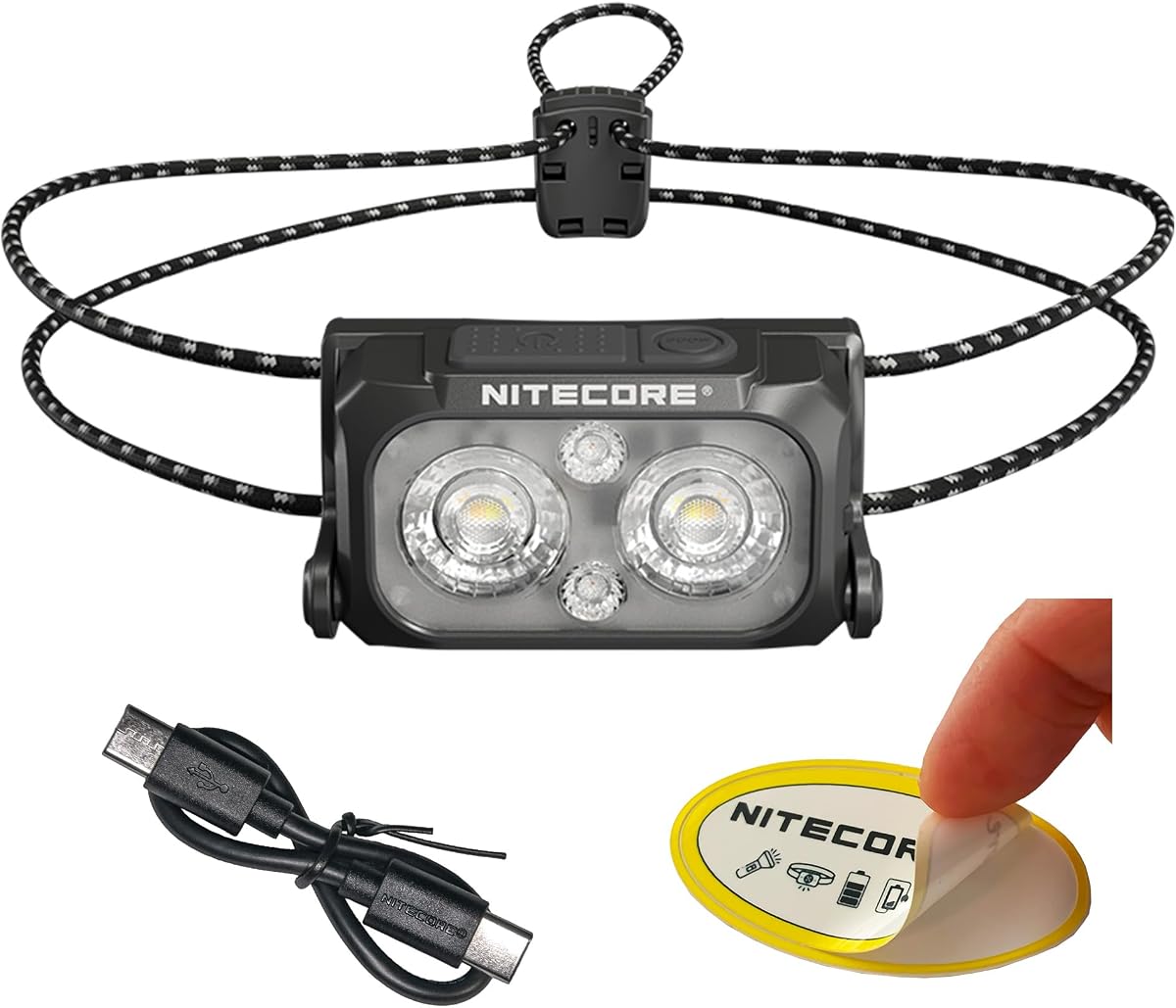
The Nitecore NU25 MCT UL stands out as a top choice for trekkers prioritizing weight and versatility. With a rating of 4.7, it delivers 400 lumens while weighing only 1.65 oz, making it ideal for long hikes.
We may earn a commission when you buy through this link, at no additional cost to you.
Its standout feature is the multi-color temperature switch, allowing you to choose warm, neutral, or cool white light. Warm light cuts through fog effectively, while cool white enhances contrast for technical terrain navigation.
Although it lacks a motion sensor found in some rivals, the battery life compensates well. The 45-hour runtime ensures you won't be left in the dark during multi-day trips, and the IP66 rating handles heavy rain easily.
This headlamp is best for backpackers who value minimal weight without sacrificing performance. If you need a reliable light that packs small and charges quickly, this model offers exceptional value for your next trek.
Switching between warm and cool light helps adapt to weather conditions and reduces eye strain during camp tasks.
USB-C charging means you can power up using standard cables, reducing the need for extra chargers on the trail.
We may earn a commission when you buy through this link, at no additional cost to you.
Petzl's ACTIK CORE delivers powerful illumination with 650 lumens, making it a strong contender for technical treks. Rated 4.4, it balances raw power with thoughtful design features that enhance usability in the field.
We may earn a commission when you buy through this link, at no additional cost to you.
The mixed beam design allows you to switch between wide proximity light and focused distance vision. This flexibility is crucial for navigating uneven terrain at night or illuminating a campsite effectively without blinding others.
While it weighs more than ultralight options, the durable construction and recycled headband justify the extra grams. The battery indicator ensures you never run out unexpectedly, and the red light preserves night vision during group travel.
Choose this if you need maximum brightness and reliability for demanding environments. It is an excellent investment for serious trekkers who prioritize performance and brand reputation over saving a few ounces.
The ability to toggle between flood and spot beams ensures you have the right light for any immediate task.
The headband is made from recycled materials, appealing to environmentally conscious outdoor enthusiasts seeking sustainable gear.
We may earn a commission when you buy through this link, at no additional cost to you.
For trekkers on a budget, the Lepro LED Headlamp offers reliable performance without breaking the bank. With a 4.5 rating, it provides 300 lumens and a comfortable fit suitable for most head sizes and activities.
We may earn a commission when you buy through this link, at no additional cost to you.
Its simplicity is a major strength, featuring five straightforward modes that are easy to switch between quickly. The rechargeable battery supports up to 30 hours of continuous lighting, ensuring you stay powered during overnight trips.
While it lacks advanced features like color temperature switching, it excels at basic illumination needs. The IPX4 rating handles light rain, and the polyethylene coating protects against drops and scratches during rugged use.
This model is ideal for casual hikers or those needing a backup light. If your primary goal is affordable, hands-free lighting for general trails, the Lepro delivers excellent value for everyday adventures.
The simple button interface means you can operate the light even with gloved hands in cold conditions.
Long runtime ensures you won't run out of power during extended camping trips or unexpected delays on the trail.
We may earn a commission when you buy through this link, at no additional cost to you.
The Nitecore NU20 Classic is the lightest headlamp on this list, weighing only 1.34 oz while still delivering 360 lumens. Its 4.8 rating reflects user satisfaction with its comfort and long-lasting battery performance.
We may earn a commission when you buy through this link, at no additional cost to you.
This model excels at runtime, offering up to 97 hours on low mode, which is perfect for extended expeditions. The IP66 waterproof rating ensures it can handle harsh weather conditions without failing when you need it most.
Trade-offs include a lack of color temperature features and motion sensors, but the focus on weight and endurance is clear. It is designed for trekkers who prioritize minimal weight above all else without sacrificing essential brightness.
If every ounce counts in your pack, this headlamp is a compelling choice. It balances extreme lightness with sufficient output for most trail needs, making it a top pick for weight-conscious adventurers.
Weighing just 1.34 oz, this light disappears on your head, reducing fatigue during long hikes and climbs.
With 97 hours of runtime on low, you can go weeks without needing to recharge for casual weekend trips.
We may earn a commission when you buy through this link, at no additional cost to you.
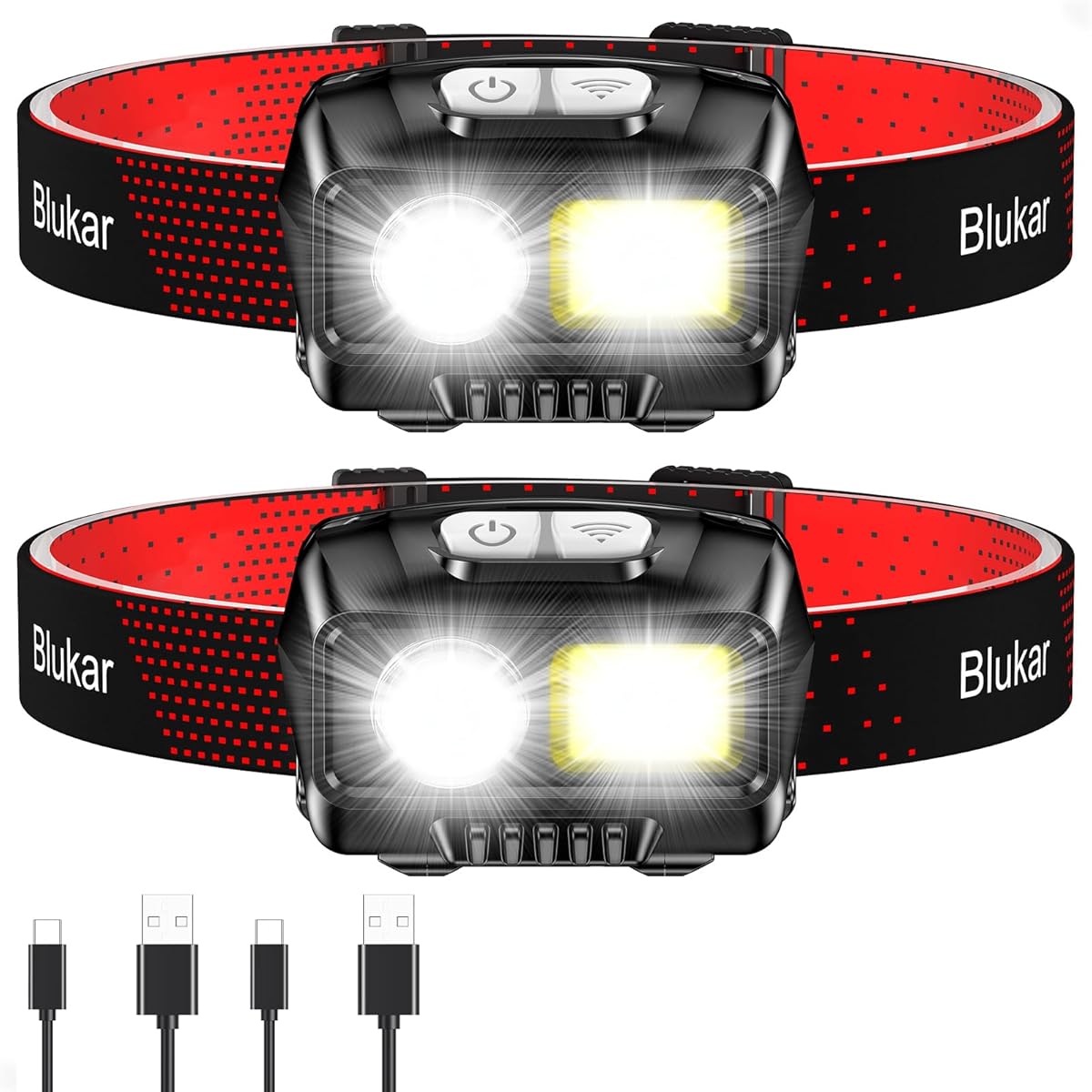
The Blukar LED Headlamp boasts an impressive 2000 lumen peak output, making it the brightest option in this guide. Rated 4.5, it uses advanced COB and XPG LEDs to illuminate vast areas effectively for outdoor use.
We may earn a commission when you buy through this link, at no additional cost to you.
Its motion sensor mode allows you to control the light by waving your hand, which is incredibly useful when your hands are dirty. The stepless dimming feature lets you fine-tune brightness levels to match specific tasks or surroundings.
The trade-off is weight; at 2.96 oz, it is heavier than ultralight models. However, the added power justifies this for situations where you need to see far ahead or work in dark campsites requiring intense light.
Choose this if maximum visibility is your priority over saving weight. It is an excellent tool for trail runners or workers needing hands-free control and high-intensity lighting for detailed tasks.
Turning lights on and off with a wave saves time and keeps your hands free for climbing or handling gear.
Combining COB and XPG chips provides a stable, bright beam that outperforms standard LED units in raw output.
We may earn a commission when you buy through this link, at no additional cost to you.
Black Diamond Cosmo 350 stands out for its dual fuel capability, allowing you to use AAA batteries or a rechargeable BD battery. Rated 4.6, it offers reliable 350 lumens output and IP67 waterproof protection for tough environments.
We may earn a commission when you buy through this link, at no additional cost to you.
The IP67 rating means it can survive submersion up to one meter, making it more weather-resistant than many competitors. This makes it a safer choice for treks in heavy rain or wet conditions where moisture is a concern.
While AAA batteries are convenient for emergencies, rechargeable options are more sustainable. The dimming feature helps manage battery drain, and the low-profile design ensures a secure fit without adding bulk to your head.
This headlamp is ideal for those who want flexibility in power sources. If you prefer the reliability of disposable batteries or need a light that can handle deep water exposure, this is a strong choice.
Using standard AAA batteries allows you to keep going if your rechargeable battery fails or runs out unexpectedly.
The IP67 rating provides peace of mind during heavy storms, ensuring your light works even after significant exposure to water.
We may earn a commission when you buy through this link, at no additional cost to you.
The Black Diamond Storm 500 offers a powerful rechargeable solution with 500 lumens and a massive 2400mAh battery. Rated 4.4, it balances brightness with durability, making it suitable for rugged outdoor conditions.
We may earn a commission when you buy through this link, at no additional cost to you.
Its integrated battery supports long durations, and the micro-USB port makes charging accessible with common cables. The housing is built to withstand heavy rain and snow, ensuring consistent performance during all-season treks.
A limitation is the micro-USB charging standard, which is being phased out for USB-C. However, for those who already own compatible cables, the high capacity and reliable output make this a solid everyday light.
Select this if you want a dependable rechargeable light with good brightness and battery life. It is a versatile choice for trekkers needing a workhorse lamp for frequent outdoor adventures.
The 2400mAh battery ensures you can go days on a single charge, reducing anxiety about running out of power.
Built to withstand rain and snow, this headlamp keeps working when other less durable lights might fail.
We may earn a commission when you buy through this link, at no additional cost to you.
Black Diamond Spot 400 is a classic AAA-powered model that offers excellent versatility with 400 lumens. Rated 4.6, it provides flexible brightness settings and a red night-vision mode for preserving dark adaptation.
We may earn a commission when you buy through this link, at no additional cost to you.
The waterproof design ensures it can handle rain and snow without issues, and the adjustable headband fits comfortably over long periods. Proximity modes help you switch between full power and ambient lighting easily.
Since it uses AAA batteries, you might need spare cells for very long trips. However, the simplicity of replacing batteries quickly without waiting for a recharge makes it practical for emergency preparedness.
This is a great option for those who prefer traditional battery sources. If you want a reliable, well-built light for general hiking and work without charging hassles, the Spot 400 delivers solid performance.
Using AAA batteries means you can swap them out instantly in the field without needing a power source to recharge.
The red light mode helps you navigate or read maps without ruining your natural night vision or annoying campmates.
We may earn a commission when you buy through this link, at no additional cost to you.
The Petzl Actik Lamp is a lightweight option weighing only 86 grams, offering a hybrid power system with AAA batteries or optional rechargeable CORE. Rated 4.7, it delivers 350 lumens and a mixed beam pattern for visibility.
We may earn a commission when you buy through this link, at no additional cost to you.
Its reflective headband adds safety when you are not wearing it, and the simple single-button control makes operation intuitive. The detachable headband allows for easy washing, which is useful after sweaty trail runs.
While it does not reach the brightness of the CORE version, it is lighter and often cheaper. The IPX4 rating provides basic weather resistance, suitable for dry conditions or light rain rather than heavy storms.
Choose this if you want a lightweight, versatile light for casual treks or running. It is a good balance of cost and performance, especially if you already have compatible CORE batteries.
The option to use standard batteries or upgrade to CORE rechargeable gives you flexibility based on your trip needs.
The reflective headband increases visibility to others when the light is off, enhancing safety during storage or transport.
We may earn a commission when you buy through this link, at no additional cost to you.
The LHKNL Headlamp offers great value with a motion sensor and multiple modes for a low price. Rated 4.5, it provides a powerful beam and a 1500mAh battery that supports long use without frequent recharging.
We may earn a commission when you buy through this link, at no additional cost to you.
Motion sensor control is a standout feature at this price point, allowing you to turn the light on without touching buttons. The IPX4 rating handles rain, and the 8 modes provide flexibility for different tasks.
While it lacks the beam precision of premium models, it is sufficient for most camping needs. The lightweight design and comfortable headband make it easy to wear for extended periods without discomfort.
This is an excellent budget pick for families or casual trekkers. If you need a functional light with smart features like motion control without spending much, the LHKNL provides strong value.
Wave to turn on the light for quick access when your hands are full or dirty during outdoor activities.
Offering advanced features at an accessible price makes this a smart choice for those watching their gear budget.
We may earn a commission when you buy through this link, at no additional cost to you.
Choosing the right headlamp involves balancing brightness, battery life, weight, and durability. This guide outlines key factors to consider before making your purchase.
Brightness measured in lumens affects how far you can see. For general trekking, 300 to 500 lumens is often sufficient to light up the trail. A focused beam helps for distance, while a wide beam aids around camp.
Look for a balance between brightness and beam spread to ensure visibility without draining batteries too quickly.
Rechargeable models save money over time but require access to power sources. AAA or CR123 batteries are replaceable in the field but add weight and cost. Consider runtime per charge and total capacity for long trips.
Aim for a battery that supports at least 20 hours of moderate use to avoid mid-trip failures.
Since you wear the headlamp on your head, weight matters significantly. Models under 3 ounces are ideal for long hikes to reduce neck strain. Adjustable headbands ensure a secure fit without slipping.
Choose a light that feels stable even when running or climbing to maintain focus on your path.
Water resistance ensures reliability in wet conditions. IPX4 handles rain and splashes, while IP67 allows submersion. For harsh treks, a higher rating prevents moisture from damaging electronics during storms.
Select a rating that matches your typical weather exposure to avoid light failure in damp environments.
Versatility comes from multiple modes like dimming, red night vision, and strobe. Red light preserves night vision for reading maps or group travel. Dimming helps save battery when full brightness is unnecessary.
Ensure the interface allows easy switching between modes without accidental changes in the dark.
Trekking involves rough terrain, so durable housing is vital. Materials like PC or aluminum withstand drops and impacts better than plastic. A solid build extends the life of the light over years of use.
Check for ruggedized designs if you plan to use the headlamp in high-impact situations.
Charging ports vary by model. USB-C is becoming standard for universal compatibility, while micro-USB may limit options. Ensure you have the correct cable to avoid issues when recharging at home.
Consider how quickly the device charges to minimize downtime before your next adventure.
Features like motion sensors or color temperature switching add convenience but may add cost. Motion sensors allow hands-free control, while warm light cuts through fog better than cool light.
Decide which features justify the added cost based on your specific trekking needs and habits.
Proper fit is essential for stable illumination. Adjust the headband so the light sits centered on your forehead, pointing slightly downward for forward visibility without blinding yourself.
Clean the lens regularly to remove dust and moisture that can scatter light. Use a soft cloth to wipe the lens after each trip, and store the headlamp in a dry place to prevent corrosion.
Rechargeable batteries last longer if you avoid draining them completely. Charge the headlamp after every major trip and check the battery indicator periodically to ensure readiness for future hikes.
For most trekking, 300 to 500 lumens is ideal. This provides enough light to see trails at night without draining the battery too fast. Higher brightness is useful for technical climbing or emergencies.
Rechargeable models are more cost-effective long-term but need access to charging. Battery-powered ones offer flexibility if you have spares. Choose based on your trip duration and power availability.
At least IPX4 for rain and splashes. For heavy rain or crossing streams, IP67 is better as it allows temporary submersion without damaging electronics inside the housing.
Yes, lighter headlamps reduce fatigue over long distances. Aim for under 3 ounces for day trips and ultralight models for multi-day treks where every gram counts in your pack.
Red light preserves your night vision and prevents blinding others in your group. It is useful for reading maps, checking gear, or moving around camp without disrupting dark adaptation.
Store it in a dry place and wipe the lens after trips. Avoid letting rechargeable batteries drain completely before storing. Regularly check seals and straps for wear and tear to ensure reliability.
Yes, trekking headlamps work great for camping. They provide hands-free light for cooking and setting up tents. Many models have a low mode for camp tasks to save battery life.
Different beams serve different needs. Flood beams light up wide areas around camp, while spot beams help see further on the trail. Mixed beams offer versatility for various outdoor activities.
We covered ten top headlamps for trekking, highlighting the Nitecore NU25 for weight and the Petzl ACTIK for brightness. Each model offers unique strengths depending on your specific needs.
Prioritize brightness and battery life if you hike frequently. For occasional trips, weight and comfort might matter more. Use the buying guide to match features to your typical trail conditions.
Prices and availability change often so check current listings before buying. Ensure you select a light that fits your budget and performance expectations for safe and enjoyable treks.