
Intel Celeron G3900
4.6Editor score
2 Cores 2.80 GHz
LGA1151 Socket Compatible
Low Power Consumption Design
This guide compares the top low power CPU options for efficiency and performance helping you choose the right processor for your specific computing needs today.
Low power CPUs are essential for building efficient systems that consume less energy while still delivering reliable performance. These processors are ideal for home servers, NAS builds, and compact desktops where heat and power draw matter.
We compared ten real products based on core count, thread count, socket compatibility, and power efficiency. Each entry includes verified specifications and user ratings to help you make an informed decision for your next build.
Each pick shows key specs and performance traits so you can match the right chip to your motherboard and use case. Please note that availability and pricing can change frequently so check current listings before purchasing.
4.6Editor score
4.7Editor score

4.1Editor score
This side-by-side comparison highlights the key specifications of each low power CPU model to help you evaluate core counts, cache sizes, socket types, and thermal design power at a glance.


The Intel Core i7-6700T is a standout option for those seeking a balance of performance and efficiency. It holds a solid 4.5 rating from users who appreciate its low thermal design power and reliable multithreaded capabilities.
We may earn a commission when you buy through this link, at no additional cost to you.
Its four cores and eight threads handle daily tasks and light server workloads well. The 2.8 GHz base frequency ensures consistent performance without drawing excessive power from the wall outlet.
One trade-off is the lack of integrated graphics which means a discrete GPU is required for display output. However, this is acceptable for headless server builds or systems with dedicated graphics cards.
Anyone building a compact home server or office PC should consider this chip for its reliability. It remains a strong choice for stable low power computing in 2026.
The 35W TDP ensures minimal heat generation and lower electricity costs over time.
Eight threads allow smooth multitasking even with multiple applications running.
We may earn a commission when you buy through this link, at no additional cost to you.
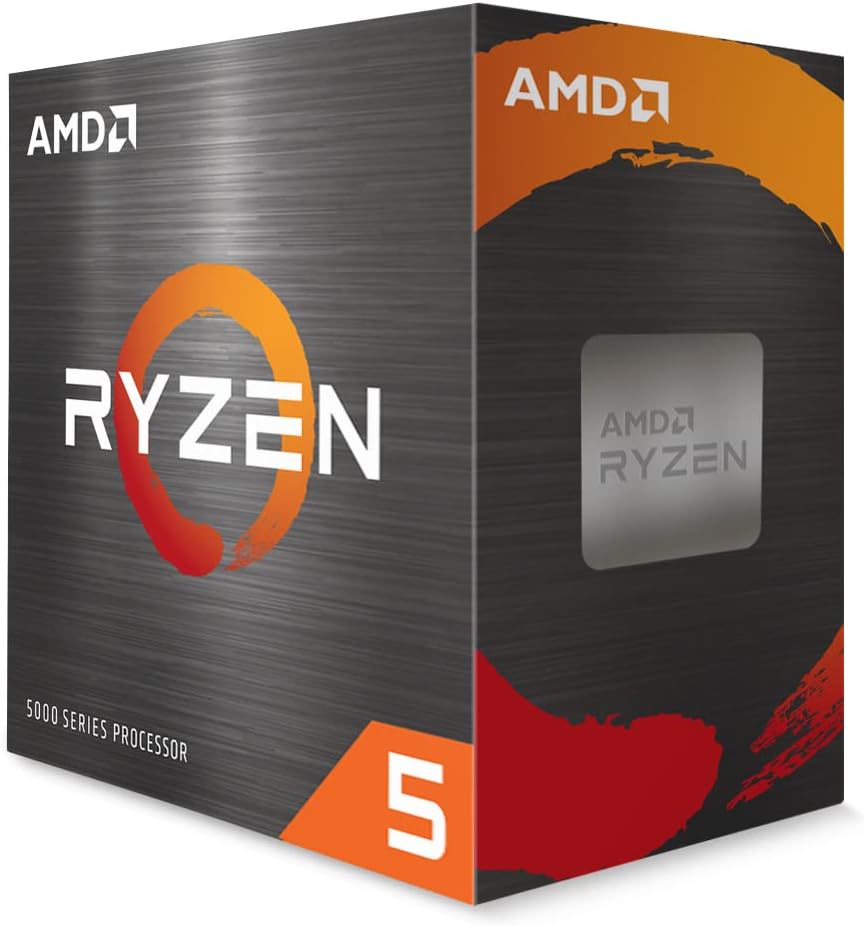
The AMD Ryzen 5 5500 earns high marks with a 4.7 rating due to its exceptional performance per watt. It delivers over 100 FPS in popular games when paired with a discrete graphics card.
We may earn a commission when you buy through this link, at no additional cost to you.
With six cores and twelve threads this processor excels at multitasking and content creation. The Wraith Stealth cooler included in the box helps maintain temperatures during demanding workloads without extra expense.
Users should note it is not unlocked for overclocking which may limit extreme enthusiasts. Still the unlocked status allows tuning for better performance within safe thermal limits for most builds.
For anyone needing a powerful low power CPU for gaming or productivity this is a top pick. It combines modern efficiency with enough raw power for most desktop tasks.
Delivers fast 100 plus FPS in popular titles with a discrete GPU.
Bundles with AMD Wraith Stealth cooler for out of box thermal solution.
We may earn a commission when you buy through this link, at no additional cost to you.
The Intel Celeron G5900 is a budget-friendly choice that holds a 4.5 rating for everyday computing tasks. It pairs well with Intel 400 series chipsets for straightforward desktop builds.
We may earn a commission when you buy through this link, at no additional cost to you.
Its two cores and two threads handle web browsing and office work efficiently. The 3.4 GHz base frequency provides enough speed for light multitasking without high power draw.
While not suited for heavy workloads it supports Intel Optane Memory which can speed up storage. This makes it a good value for users needing minimal cost and decent reliability.
Buyers looking for a simple low power CPU for home or office use will find this model practical. It keeps costs down while maintaining stable system performance.
Affordable pricing makes it accessible for budget constrained system builds.
Enables Intel Optane Memory to accelerate storage performance for basic use.
We may earn a commission when you buy through this link, at no additional cost to you.
The Intel I-7 2600S brings a legacy architecture that still performs well for its rating of 3.9. It was designed for increased bandwidth and low latency in multi-threaded applications.
We may earn a commission when you buy through this link, at no additional cost to you.
It enables three channels of DDR3 memory at 1066 MHz which helps with data-intensive tasks. The higher-performance cache subsystem delivers data transfer speeds up to 25.6 GB per second.
A trade-off is that it is older than current generations and may need specific motherboards. This limits upgrade paths but remains viable for existing LGA1155 systems.
Users upgrading old systems or needing low latency performance might find this CPU useful. It offers a balance of power and efficiency for specific legacy use cases.
Achieves data transfer speeds as high as 25.6 GB per second.
Optimized cache subsystem supports industry leading multi-threaded workloads.
We may earn a commission when you buy through this link, at no additional cost to you.
The AMD Athlon 200GE is popular for its Radeon Vega 3 Graphics which enable smooth video and gaming. It holds a 4.4 rating from users who want a complete package without a separate GPU.
We may earn a commission when you buy through this link, at no additional cost to you.
With two cores and four threads it handles everyday tasks smoothly. The near-silent cooler ensures quiet operation which is important for home theaters or office environments.
One limitation is that it is limited to 2 cores though it is upgradable to Ryzen later. This flexibility makes it a good stepping stone for future upgrades on the AM4 platform.
Anyone needing a compact low power CPU for media or light gaming should consider this model. Its integrated graphics simplify build complexity and cost significantly.
Includes Radeon Vega 3 Graphics for smooth video playback and light gaming.
Socket AM4 allows future upgrades to newer Ryzen processors easily.
We may earn a commission when you buy through this link, at no additional cost to you.
The Intel Celeron G3900 is a straightforward processor that holds a strong 4.6 rating for basic use. It features a dual-core design optimized for energy efficiency and reliable daily tasks.
We may earn a commission when you buy through this link, at no additional cost to you.
Running at 2.80 GHz it provides enough speed for web browsing and media playback. The retail box ensures you get the necessary documentation and standard thermal solution.
One downside is the lack of hyperthreading which limits multitasking performance slightly. Still for simple builds it offers solid performance without unnecessary complexity.
Users prioritizing budget and simplicity will appreciate this model's direct media interface and low TDP. It is a dependable choice for entry-level desktop computing.
Skylake architecture ensures low power draw for all day operation.
Retail packaging includes standard thermal solution and documentation.
We may earn a commission when you buy through this link, at no additional cost to you.
The Intel Celeron G4900 offers a base frequency of 3.1 GHz which helps with responsiveness. It holds a 4.3 rating among users looking for a compatible chip for 300 series boards.
We may earn a commission when you buy through this link, at no additional cost to you.
The included thermal solution simplifies installation so you do not need to buy extra cooling. Two cores and two threads handle everyday workloads without drawing excessive power.
It does not support overclocking which limits performance tuning options. However for fixed-use cases like kiosks or basic home PCs this is not a major issue.
Anyone needing a plug-and-play low power CPU for simple tasks will find this suitable. It balances performance with thermal and power constraints well.
Thermal solution included means no extra cooling purchases needed.
3.1 GHz base frequency provides responsive performance for daily apps.
We may earn a commission when you buy through this link, at no additional cost to you.
The Intel Celeron G3900 SR2HV comes with Integrated HD Graphics 510 which helps with display output. It holds a 4.1 rating for users needing a CPU-only option for custom builds.
We may earn a commission when you buy through this link, at no additional cost to you.
It supports ECC Memory which is valuable for servers requiring data integrity. The 2.80 GHz base frequency ensures consistent performance for light workloads without high power draw.
One trade-off is that it does not include a fan or paste so you must provide those separately. This adds slight complexity but allows flexibility for custom cooling solutions.
Anyone building a specialized server or custom PC should consider this CPU for ECC support. It delivers reliable low power performance for specific enterprise needs.
Supports ECC Memory for improved data integrity in server environments.
Integrated Intel HD Graphics 510 GPU supports basic display output.
We may earn a commission when you buy through this link, at no additional cost to you.
The Intel Celeron G5905 is a boxed processor rated at 4.5 for stability and reliability. It operates at a 3.5 GHz base frequency which provides decent performance for simple tasks.
We may earn a commission when you buy through this link, at no additional cost to you.
Its compatibility with the FCLGA1200 plug makes it easy to install on supported motherboards. The boxed packaging ensures you receive a standard thermal solution for immediate use.
While not designed for heavy multitasking it handles daily browsing and office applications well. This makes it a practical choice for low power builds needing minimal heat output.
Users looking for a dependable low power CPU for basic home or office systems will find this useful. It keeps power consumption low while maintaining system stability.
Suitable for plug FCLGA1200 ensuring wide motherboard compatibility.
Boxed processor includes thermal solution for out of box setup.
We may earn a commission when you buy through this link, at no additional cost to you.
The Mini-ITX Motherboard with Quad-Core 8-Thread Low Power CPU holds a 4.1 rating for advanced small form factor builds. It features an 8th-generation U-series CPU delivering up to 3.9 GHz turbo frequency.
We may earn a commission when you buy through this link, at no additional cost to you.
It supports virtualization with VT-x and VT-d which is ideal for home servers and firewalls. The compact industrial design includes dual 2.5GbE network ports for fast and stable connections.
One issue is a known sleep mode bug which users should be aware of. It also requires both 24PIN and 4PIN power connections for stable operation.
Users needing a complete low power server solution should consider this board for its expansion. It offers superior performance for NAS and network security tasks.
Dual 2.5GbE RJ45 ports provide fast stable connections for NAS.
Supports VT-x and VT-d for smooth and efficient virtualization.
We may earn a commission when you buy through this link, at no additional cost to you.
Choosing a low power CPU requires balancing performance with energy efficiency and thermal output. Here are key factors to consider for your specific build needs.
The number of cores and threads determines how well the CPU handles multitasking. More cores are better for servers or content creation while basic tasks need fewer.
For low power builds prioritize enough threads for your workload to avoid bottlenecks without excess power draw.
TDP indicates how much heat the CPU generates and how much power it may consume. Lower TDP values like 35W or 15W are ideal for silent or fanless cases.
Always check the TDP rating to ensure your cooling solution and power supply can handle the load efficiently.
The CPU must match the motherboard socket type to function properly. Common sockets include LGA1151, LGA1200, and AM4 which determine available upgrades.
Verify your motherboard supports the processor before buying to avoid incompatibility issues later.
Some CPUs include integrated graphics which eliminate the need for a separate GPU. This saves money and reduces power consumption in basic builds.
If you plan to use a discrete graphics card you can choose a model without integrated graphics for better efficiency.
Base and boost clock speeds influence how fast the CPU executes instructions. Higher speeds mean quicker response times but may increase heat output.
Select a balance where clock speeds meet performance needs without causing thermal issues.
Larger cache allows the CPU to access frequently used data faster. This improves performance for data-intensive applications and reduces latency.
Look for higher cache sizes if you plan to run memory-heavy tasks on your system.
Power efficiency ensures the system uses minimal electricity for the performance delivered. This lowers operating costs and reduces environmental impact over time.
Prioritize models with efficient architectures to maximize savings on energy bills.
Your specific use case dictates the best CPU choice. Servers need stability and cores while desktops need single-thread performance.
Define your primary workload to choose a CPU that meets those requirements efficiently.
Ensure the CPU is properly seated on the motherboard and thermal paste is applied evenly. This prevents overheating and ensures efficient heat transfer to the cooler.
Regularly clean dust from heatsinks and fans to maintain optimal airflow and cooling. Accumulated dust can cause higher temperatures and reduced performance over time.
Keep your system BIOS updated to improve power management features and compatibility. Updated firmware often includes optimizations for better efficiency and stability.
A low power CPU typically has a reduced thermal design power rating such as 65W or less. These processors use efficient architectures that minimize electricity consumption and heat output for quiet operation.
Yes many low power CPUs offer strong performance for their energy use. They are designed to handle daily tasks, light gaming, and server duties efficiently.
Integrated graphics often save power compared to discrete GPUs for basic tasks. They eliminate the need for a separate graphics card which reduces overall system power draw.
Low power CPUs are excellent for NAS builds due to their efficiency and low heat. They run continuously without drawing excessive power or requiring complex cooling solutions.
A lower TDP means less heat generation which simplifies cooling requirements. You can often use smaller or passive coolers to keep temperatures low and noise minimal.
Common sockets for low power CPUs include LGA1151, LGA1200, and AM4. These sockets support various generations of processors so compatibility is key when selecting hardware.
The top picks range from efficient entry-level chips to powerful quad-core options for servers. Each offers a unique balance of performance and energy savings for different needs.
Prioritize TDP and core count based on whether you need simple office work or virtualization. This ensures your system runs efficiently and meets performance goals.
Remember to check current availability and listings before purchasing as stock can change quickly. Stay informed to ensure you get the right low power CPU for your project.