
DY-50 Intraoral Camera
4.5Editor score
Driver included for software
Anti-fog non-spherical lens
Ergonomic lightweight design
Discover the top cameras for dental photography reviewed in October 2026. We compare intraoral systems, DSLRs, and mirrors to help you choose the perfect
Selecting the right camera for dental photography is crucial for accurate diagnosis and patient communication. High-quality images ensure clear documentation of treatments and improve case acceptance rates significantly.
We evaluated ten top-rated imaging devices based on resolution, ease of use, software compatibility, and ergonomic design. Our comparison covers dedicated intraoral cameras, DSLRs, and mirrorless options suitable for clinical settings.
Each pick highlights specific strengths like integration capabilities, image clarity, and workflow efficiency. Prices may vary over time, so verify current offers before purchasing to ensure you get the best value for your practice.
4.5Editor score
4.4Editor score

This table provides a side-by-side overview of key specifications for each camera option. Review these details to understand sensor types, zoom capabilities, and connectivity features before making your decision.


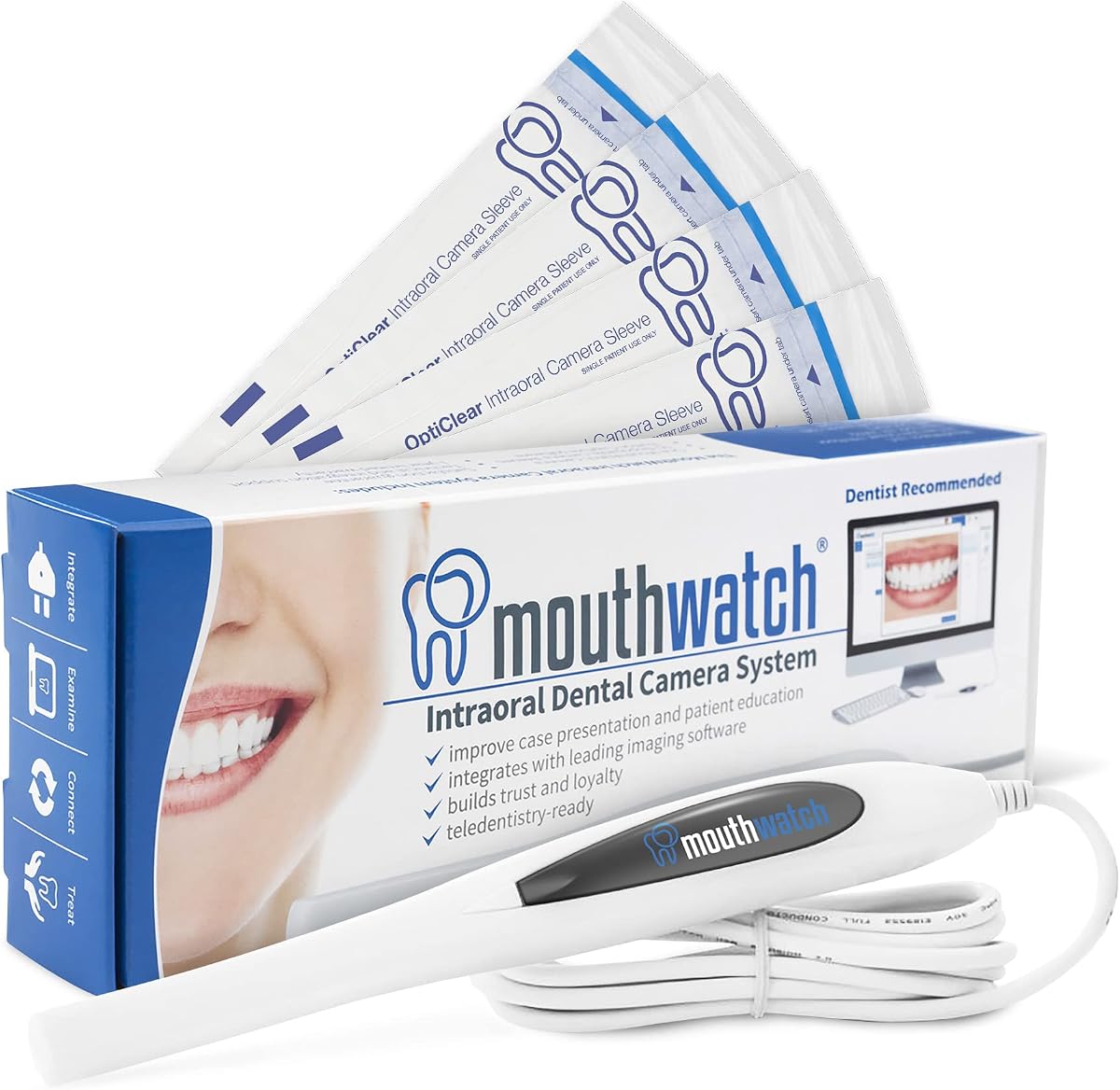
This intraoral camera is designed for professionals needing sharp images without manual focus struggles. It holds a solid 4.4 star rating due to its ease of use and compatibility with major dental software.
We may earn a commission when you buy through this link, at no additional cost to you.
The single-button operation allows for immediate capture, saving valuable time during patient visits. With over 50 integrations available, it fits into existing workflows like Eaglesoft and Dexis without requiring extra hardware.
While the fixed focal distance removes the need for auto-focus hunting, it may require some adaptation for users accustomed to variable focusing. This trade-off ensures consistent results without lag.
Ideal for clinics prioritizing efficiency, this camera delivers high acceptance rates through clear imaging. Its lightweight design makes it comfortable for extended use throughout the day.
Proprietary capture software allows connections to major imaging solutions in under five minutes.
Crystal clear, well-illuminated images help patients understand treatment needs effectively.
We may earn a commission when you buy through this link, at no additional cost to you.
The Canon EOS Rebel T7 offers high-quality imaging suitable for general dental photography needs. With a 24.1MP sensor, it captures detailed textures and colors essential for clinical documentation.
We may earn a commission when you buy through this link, at no additional cost to you.
Built-in Wi-Fi and NFC simplify the transfer of images to devices for immediate review or sharing. The optical viewfinder provides a clear view of the subject in various lighting conditions.
While not a dedicated intraoral tool, its versatility allows for broader photographic uses in a clinic. Users must manage settings manually compared to simpler point-and-shoot dental cameras.
This camera is a strong choice for dentists needing a dual-purpose device for patient education and clinical records. Its robust sensor ensures professional-grade photo quality.
The 24.1MP sensor produces vibrant colors and sharp details even in low light.
Built-in Wi-Fi allows quick sharing of photos to smartphones or tablets.
We may earn a commission when you buy through this link, at no additional cost to you.
This bundle provides everything needed to start shooting immediately upon delivery. It features the same 24.1MP sensor as the standard T7, ensuring reliable image quality for documentation.
We may earn a commission when you buy through this link, at no additional cost to you.
The inclusion of a 64GB memory card and shoulder bag adds value for practitioners who need to transport equipment. The DIGIC 4+ processor ensures reduced noise in darker environments.
While designed for general photography, the bundle supports creative expansion with various lens options. It remains user-friendly for those transitioning from simpler devices.
Consider this if you require a comprehensive package with essential accessories. The added value makes it a practical choice for clinics setting up new imaging stations.
Includes 64GB memory card, battery, charger, and shoulder bag for immediate use.
DIGIC 4+ processor ensures fast operation and enhanced image clarity.
We may earn a commission when you buy through this link, at no additional cost to you.
The Canon EOS R50 brings modern mirrorless technology to dental photography with impressive speed and clarity. Its 24.2MP sensor and DIGIC X processor deliver stunning image detail.
We may earn a commission when you buy through this link, at no additional cost to you.
Dual Pixel CMOS AF II covers a wide area, ensuring accurate focus on teeth and gums even in movement. The vari-angle touchscreen allows for flexible shooting angles.
High-speed continuous shooting is useful for capturing dynamic moments or video demonstrations. This model supports both stills and video seamlessly.
Best suited for tech-savvy practitioners who need high versatility. Its compact size and advanced features make it a powerful addition to any clinical setup.
Covers up to 100% of the area with 651 AF zones for precision.
Up to 15 fps with electronic shutter ensures fast, steady imaging.
We may earn a commission when you buy through this link, at no additional cost to you.
Designed primarily for content creators, the Sony ZV-1 offers bright imagery and crisp detail. The 1-inch sensor and ZEISS lens ensure professional-grade results with natural colors.
We may earn a commission when you buy through this link, at no additional cost to you.
Its lightweight design and intuitive controls make it easy to handle for extended periods. The dedicated buttons allow quick adjustments to focus and background blur.
The 3-capsule directional microphone isolates voice, useful for educational videos or patient communication. Wi-Fi and Bluetooth enable easy file transfers to smartphones.
This bundle is ideal for clinics producing digital content alongside clinical photos. It balances high-quality imaging with user-friendly features.
Fast 24–70 mm lens ensures vibrant results even in challenging light.
Built-in mic system isolates voices for clear audio during presentations.
We may earn a commission when you buy through this link, at no additional cost to you.
This camera delivers next-level clarity with an 88MP sensor and 8K video capabilities. It is designed for creators needing high-resolution content in various settings.
We may earn a commission when you buy through this link, at no additional cost to you.
The dual-lens system allows flexible shooting angles, useful for wide shots or detailed views. A large touchscreen offers intuitive control for framing and focus.
While digital zoom allows distant subject capture, optical zoom would be preferable for true macro work. Stabilization keeps shots steady during handheld use.
Best for those prioritizing resolution and value in a general camera. It provides robust features for capturing detailed imagery effectively.
Captures every detail in stunning clarity with an 88MP high-resolution sensor.
6-axis stabilization keeps shots steady and blur-free even on the move.
We may earn a commission when you buy through this link, at no additional cost to you.
The DY-50 offers essential dental imaging capabilities at an accessible price point. It includes the necessary drivers to work with most North American imaging software immediately.
We may earn a commission when you buy through this link, at no additional cost to you.
With a resolution of 1600×1200, it provides clear pictures for patient education. The anti-fog non-spherical lens ensures visibility in wet environments.
The capture button functionality is a key feature for quick workflow integration. Direct USB connection simplifies setup without extra hardware.
An excellent choice for practices looking to upgrade without overspending. It delivers reliable performance for standard dental documentation needs.
Captures images that work seamlessly with DEXIS, Eaglesoft, and other software.
Ergonomic design allows easy picture taking from upper and lower arches.
We may earn a commission when you buy through this link, at no additional cost to you.
This camera provides HD video capabilities with a 4X zoomable lens for detailed imaging. It works with a wide range of imaging software like Dexis and Apteryx.
We may earn a commission when you buy through this link, at no additional cost to you.
The included capture button driver enables seamless integration into clinical workflows. It connects directly via USB, simplifying setup.
Zooming helps focus on specific issues without moving the camera excessively. The absence of a foot pedal requirement adds flexibility.
Ideal for clinics needing video evidence alongside still images. It balances functionality and cost for practical dental use.
720P HD output ensures clear video documentation of dental procedures.
Capture button driver included works with major imaging solutions effectively.
We may earn a commission when you buy through this link, at no additional cost to you.
This system combines a high-performance image chip with a 17-inch touchscreen computer for efficient documentation. It streamlines workflow by allowing instant QR code photo transfers.
We may earn a commission when you buy through this link, at no additional cost to you.
The ultra-slim camera improves efficiency when capturing images. The touchscreen allows splitting views for comparing before and after cases.
It eliminates the need for cables, reducing clutter in the clinical environment. The plug-and-play design minimizes setup time.
A premium choice for modern clinics valuing integrated hardware. It enhances patient trust through detailed imagery presentation.
Integrated 17-inch touchscreen computer lets you switch between views easily.
WiFi QR code functionality transfers patient photos to any device in seconds.
We may earn a commission when you buy through this link, at no additional cost to you.
Lighting is critical for clear dental images. This aid provides omni-directional shooting with adjustable brightness to suit various conditions.
We may earn a commission when you buy through this link, at no additional cost to you.
It supports most cell phones and dental photography equipment, ensuring flexibility. The removable bracket allows angle adjustments during shoots.
USB charging capability ensures long-lasting performance during busy days. The included zip case aids convenient transport.
This accessory complements any camera setup. It helps show surface of teeth clearly, improving communication.
Support bar permits shooting from ideal view inside of the mouth.
Unit is very flexible and user friendly with adjustable brightness.
We may earn a commission when you buy through this link, at no additional cost to you.
Choosing the right imaging solution requires balancing cost, integration, and specific clinical needs. Review these factors to find a device that enhances your workflow and patient education.
Ensure the camera works with your existing practice management software. Many intraoral cameras come with drivers that support major platforms like Dexis, Eaglesoft, and Carestream. Without this integration, transferring images becomes manual and time-consuming.
Always verify the list of supported software before purchasing to avoid additional setup costs.
High resolution is essential for diagnosing fine cracks or surface details. Look for cameras offering at least HD or 1600×1200 resolution. Better clarity leads to more accurate diagnoses and higher patient acceptance rates.
Prioritize cameras with good sensors and lighting capabilities over just megapixel counts.
Dental professionals use these cameras for hours each day. A lightweight, ergonomic design prevents hand fatigue. Cameras weighing around 30 to 50 grams are typically easier to handle than bulkier models.
A comfortable grip ensures stable shots and reduces physical strain during long patient sessions.
Instantaneous capture is vital during patient examinations. Cameras with lag-free single-button capture allow for smooth workflow without interrupting treatment. Delayed shots can lead to patient movement and blurry images.
Select devices that promise immediate saving to the patient chart for efficiency.
Modern clinics benefit from wireless connectivity. Wi-Fi and Bluetooth allow quick transfer of images to tablets or phones for patient education. USB connections remain reliable for direct computer access.
Choose connectivity that fits your specific digital workflow needs for seamless integration.
Fixed focal distances can simplify operation by removing the need for auto-focus hunting. However, some cameras offer zoom capabilities to focus on specific teeth without moving the camera excessively. Consider which suits your technique.
Anti-fog lenses are crucial for maintaining visibility in moist oral environments.
Reliable customer support ensures minimal downtime. Look for manufacturers offering lifetime support or responsive teams via chat or phone. Integration assistance is often necessary for new equipment.
A solid warranty protects your investment against technical failures.
Prices vary from budget-friendly options to premium systems with built-in displays. Determine your budget while considering long-term value. Basic cameras work well for simple documentation, while bundles offer better total value.
Balance initial costs with the features required for your specific clinical requirements.
Before each use, clean the camera lens and sheath to maintain hygiene standards. Follow manufacturer guidelines for sterilizing the device to prevent cross-contamination between patients.
Position the camera gently in the patient's mouth to avoid discomfort. Use the ergonomic grip to stabilize your hand and capture images at the correct angle for accurate views.
After use, store the camera in a dry, clean case. Regularly check cables and connectors for wear to ensure consistent performance over time.
The best camera depends on your specific needs. Dedicated intraoral cameras like the Intraoral Camera Crystal Clear offer ease of use. DSLRs like the Canon EOS Rebel T7 provide higher resolution for broader photography needs.
Many dental cameras come with proprietary capture software that integrates with major suites. Always check if your existing software is supported to ensure seamless image transfer without extra steps.
DSLRs offer higher resolution and versatility but are heavier and require more setup. Intraoral cameras are designed for clinical speed and comfort, making them ideal for routine intraoral documentation.
Always use sterile sheaths provided with the camera. Clean the external surfaces with approved disinfectants after each use. Follow specific instructions from the manufacturer to avoid damaging electronic components.
Yes, especially with a dedicated dental photography aid light. Many clinics use high-end smartphones with adapters. However, dedicated cameras offer more control and consistency for clinical needs.
A resolution of at least 1600×1200 pixels is standard for clear clinical images. Higher resolutions allow for better zooming and detail inspection during treatment planning and patient communication.
Battery life varies by model, with some offering extended sessions on a single charge. Many intraoral cameras are powered directly via USB, eliminating the need for frequent battery changes during use.
Most cameras are designed for intuitive operation with simple buttons. Manufacturers often provide setup instructions, but some may require basic training for software integration and optimal usage techniques.
We reviewed ten top options ranging from dedicated intraoral devices to versatile DSLRs. The Intraoral Camera Crystal Clear leads with workflow efficiency, while the Canon EOS Rebel T7 offers high-resolution versatility.
Prioritize software compatibility and ease of use to ensure your imaging investment enhances your practice. A good camera improves patient communication and acceptance rates significantly over time.
Prices and availability change frequently, so check current offers on Amazon before purchasing. Select the model that best fits your clinical workflow and budget for lasting value.