
ASUS Dual Radeon RX 9060 XT 16GB GDDR6 Gaming Graphics Card
4.7Editor score
Axial-tech fan design for airflow
2.5-slot design for compatibility
0dB technology for silent operation
Explore our expert guide comparing the top graphics cards for ray tracing in 2026. We analyze performance, cooling, and features to help you choose the ideal
Choosing the right graphics card for ray tracing is essential for modern gaming. High-quality GPUs enable realistic lighting, shadows, and reflections in supported titles. This guide helps you find the best options available today.
We compared ten top models based on architecture, memory, cooling, and real-world performance. Our analysis focuses on ray tracing capabilities, power efficiency, and build quality. Each pick balances performance and value for different budgets.
Every entry shows key specs, pros, cons, and detailed usage insights. Prices and availability change frequently, so verify details before buying. We update this guide regularly to reflect the latest releases and market shifts.
4.7Editor score

4.8Editor score

4.6Editor score
This side-by-side comparison highlights key specifications across all ten models. We evaluate architecture, memory size, cooling solutions, and clock speeds to help you identify the strongest performer for your specific needs.


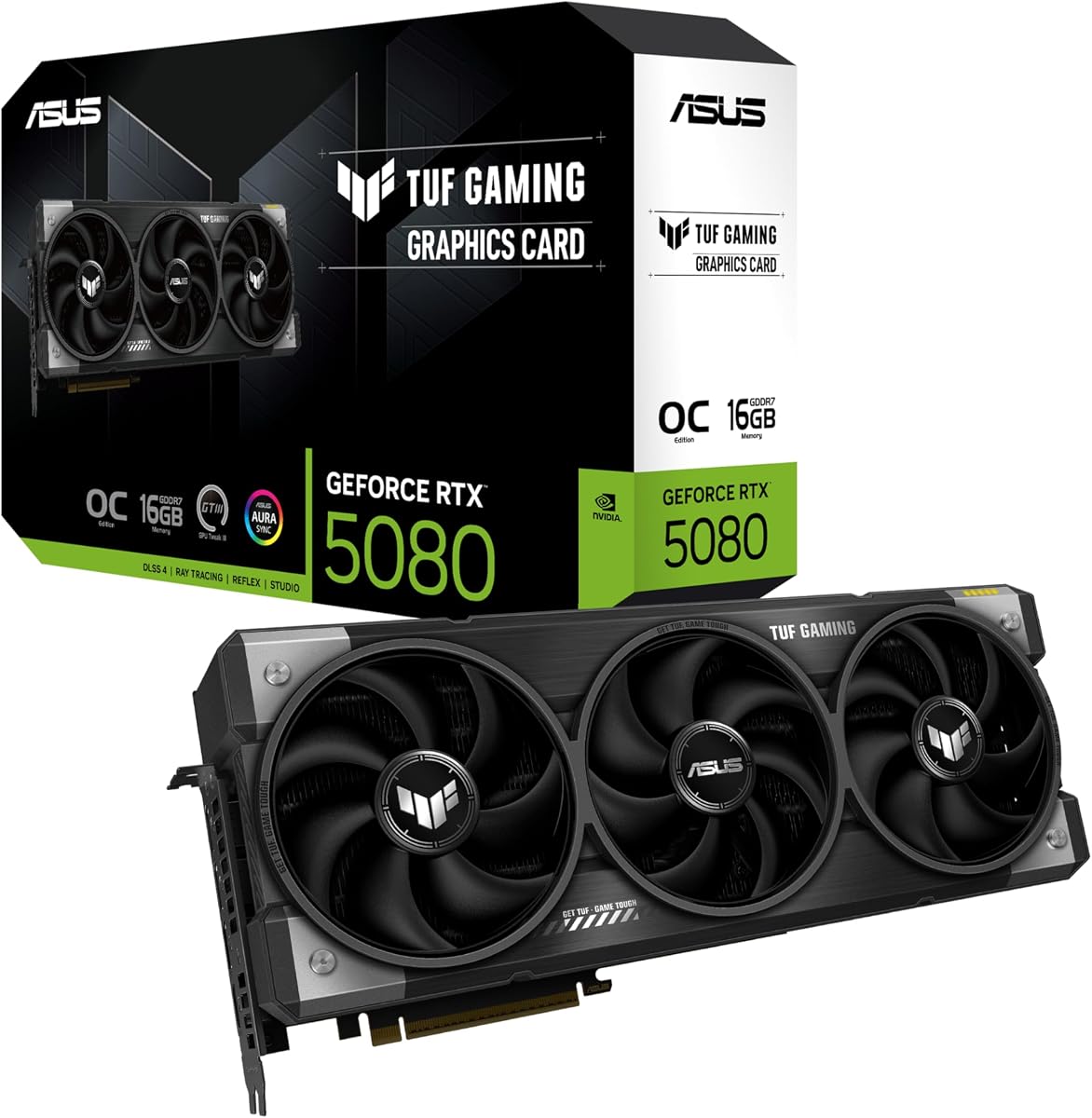


This graphics card leads the pack for ray tracing capabilities. It features the NVIDIA Blackwell architecture and 16GB of fast GDDR7 memory. Users report exceptional frame rates in demanding titles with full ray tracing enabled.
We may earn a commission when you buy through this link, at no additional cost to you.
The WINDFORCE cooling system keeps thermals low even under heavy load. Its PCIe 5.0 interface ensures future readiness for bandwidth-intensive workloads. The design balances performance with reliability for long-term use.
While expensive, the performance gains justify the cost for enthusiasts. Some users note the need for a high-wattage power supply. These trade-offs are acceptable given the leading capabilities offered by this model.
Buy this if you want the absolute best ray tracing experience. It suits gamers who prioritize visual fidelity over budget. We recommend it for high-end builds aiming for 4K resolution gaming.
The WINDFORCE system uses multiple fans to dissipate heat efficiently. This ensures the GPU maintains high clocks without thermal throttling during extended sessions.
GDDR7 memory provides higher bandwidth than previous generations. This accelerates texture loading and improves overall frame pacing in complex scenes.
We may earn a commission when you buy through this link, at no additional cost to you.
This AMD card offers impressive ray tracing features at a competitive price. The 16GB of GDDR6 memory handles high-resolution textures well. Enthusiasts appreciate the balance between performance and cost in this model.
We may earn a commission when you buy through this link, at no additional cost to you.
Its PCIe 5.0 support ensures compatibility with modern motherboards. The WINDFORCE cooling system maintains safe operating temperatures. RGB lighting adds a customizable touch to your build aesthetic.
Some titles favor NVIDIA hardware, but this card holds its own. Noise levels may rise during intense gaming sessions. These minor issues do not overshadow its overall performance potential.
Choose this if you want strong features without top-tier pricing. It fits well in mid-range builds targeting 1440p gaming. We suggest checking game-specific benchmarks before purchasing.
16GB of memory ensures you are prepared for future titles. This prevents bottlenecks when using high-resolution textures or mods.
Support for PCIe 5.0 future-proofs your system. This allows for faster data transfer with next-gen components.
We may earn a commission when you buy through this link, at no additional cost to you.
ASUS Prime RX 9070 XT brings solid ray tracing to the mid-range. The Axial-tech fans improve airflow while keeping noise low. Its 2.5-slot design fits easily in many PC cases.
We may earn a commission when you buy through this link, at no additional cost to you.
The Dual BIOS switch allows you to toggle between performance modes. Phase-change thermal pads ensure consistent heat transfer over time. Users report stable performance during long gaming sessions.
While it lacks some premium features of higher-end models, it delivers reliability. The GPU Tweak III software is intuitive for tweaking settings. These factors make it a practical choice for most users.
Opt for this if you need reliable performance in a compact case. It suits builders who value quiet operation. We recommend it for general gaming with ray tracing enabled.
0dB technology stops fans at low loads for silence. This helps maintain immersion in quiet gaming environments.
Phase-change pads maintain thermal efficiency longer than paste. This reduces the risk of overheating during peak usage.
We may earn a commission when you buy through this link, at no additional cost to you.
The ASUS TUF RTX 5080 is built for serious enthusiasts. Military-grade components ensure longevity under stress. The Blackwell architecture delivers outstanding ray tracing performance in modern titles.
We may earn a commission when you buy through this link, at no additional cost to you.
Its massive 3.6-slot heatsink provides ample cooling surface. Phase-change thermal pads help maintain low temperatures. Auto-Extreme manufacturing adds precision and reliability to every card.
The large size means case clearance is important. Power needs are significant, requiring a strong PSU. These considerations are standard for flagship-level hardware options.
Buy this if you want top-tier performance and durability. It is ideal for large cases and power users. We recommend it for high-fidelity gaming setups.
Military-grade components enhance stability under load. This ensures the card lasts longer in demanding environments.
The massive fin array maximizes heat dissipation. This keeps the GPU cool during extended ray tracing sessions.
We may earn a commission when you buy through this link, at no additional cost to you.
This card delivers strong ray tracing in a smaller form factor. The 2.5-slot design fits easily in mini-ITX cases. It offers impressive AI performance for upscaling and rendering tasks.
We may earn a commission when you buy through this link, at no additional cost to you.
0dB technology ensures silent gaming at low loads. Dual ball fan bearings enhance longevity significantly. The compact size is a major plus for space-constrained builds.
While not the fastest, it excels in efficiency and size. Airflow can be limited in very tight cases. These trade-offs are acceptable for the form factor benefits.
Select this if you build a compact PC. It suits those who prioritize size without sacrificing key features. We recommend it for small form factor enthusiasts.
Axial-tech fans maximize airflow in a small package. This allows effective cooling without a large footprint.
High AI TOPS improve generative tasks and upscaling. This boosts performance in supported creative and gaming apps.
We may earn a commission when you buy through this link, at no additional cost to you.
The ASUS TUF RTX 5070 balances power and value well. It features the Blackwell architecture and 12GB GDDR7 memory. Users appreciate the robust build quality and thermal performance.
We may earn a commission when you buy through this link, at no additional cost to you.
The GPU Guard bracket adds stability and reduces stress. Military-grade components ensure long-term reliability. Phase-change thermal pads maintain efficiency over time.
While 12GB is decent, future titles may demand more. The size may not fit in smaller cases. These issues are common at this performance tier.
Buy this for strong performance in a durable package. It suits 1440p gamers seeking longevity. We recommend it for balanced high-performance builds.
GPU Guard reduces risk of cracks and ensures stable mounting. This protects your investment during handling and use.
Phase-change pads outlast traditional pastes. This maintains low temperatures even under heavy sustained loads.
We may earn a commission when you buy through this link, at no additional cost to you.
This card offers a great entry point for ray tracing. The 16GB memory is generous for the price. It fits well in compact builds and runs quietly at low loads.
We may earn a commission when you buy through this link, at no additional cost to you.
Dual BIOS switch lets you choose performance or silent modes. 0dB technology ensures silence during light use. The design is optimized for efficiency in small spaces.
While slower than higher-end models, it handles light tracing well. Some users may need to adjust settings for max quality. These limitations are expected at this budget tier.
Pick this if budget is your top priority. It suits entry-level ray tracing and 1080p gaming. We recommend it for cost-conscious builders.
16GB memory helps with texture management. This allows better performance in modern games without upgrade.
0dB technology stops fans during idle. This ensures silence when browsing or light gaming.
We may earn a commission when you buy through this link, at no additional cost to you.
This card stands out as a top overall choice. It combines high-end features with exceptional durability. Users report excellent performance in ray tracing and standard gaming.
We may earn a commission when you buy through this link, at no additional cost to you.
The 16GB memory and Blackwell architecture deliver power. Military-grade components ensure long-term reliability. The phase-change thermal pad keeps thermals efficient.
The price is high but reflects the performance tier. Case clearance is needed due to size. These trade-offs suit serious gamers and creators.
Choose this for the best balance of speed and longevity. It fits high-end 4K or 1440p builds. We recommend it as our Editor's Choice.
Blackwell architecture delivers unmatched efficiency. This ensures smooth frames in demanding ray tracing scenarios.
Military-grade components ensure stability. This prevents failure even under prolonged heavy use.
We may earn a commission when you buy through this link, at no additional cost to you.
This model offers strong performance with efficient cooling. The WINDFORCE system keeps temperatures in check. Blackwell architecture ensures excellent ray tracing capabilities.
We may earn a commission when you buy through this link, at no additional cost to you.
PCIe 5.0 support provides future bandwidth headroom. The clock speeds are competitive with similar models. Users report stable performance during long sessions.
12GB memory may be limiting for future games. Noise can increase under heavy load. These factors are common at this tier.
Select this for strong mid-high performance. It suits 1440p gamers seeking value. We recommend it for balanced builds.
WINDFORCE fans deliver strong airflow. This ensures stable clocks without thermal throttling.
Optimized OC mode provides strong boosts. This improves performance in compute-heavy tasks.
We may earn a commission when you buy through this link, at no additional cost to you.
This card brings DLSS 3 to compact builds. The IceStorm 2.0 cooling keeps noise low. Ada Lovelace architecture provides solid ray tracing performance.
We may earn a commission when you buy through this link, at no additional cost to you.
Its compact Twin Edge design fits easily in small cases. The Spectra RGB lighting adds visual appeal. Users enjoy stable performance in VR and gaming.
Older architecture lacks some newer features. PCIe 4.0 is standard but not next-gen. These limits are acceptable given the size benefits.
Pick this if you need a compact GPU with DLSS 3. It suits smaller builds requiring strong performance. We recommend it for space-constrained users.
DLSS 3 boosts frame rates in supported titles. This enables smoother gameplay without hardware upgrades.
Twin Edge keeps the card small. This ensures compatibility with many PC cases.
We may earn a commission when you buy through this link, at no additional cost to you.
Selecting the right card requires balancing performance, size, and budget. We break down key factors to help you make an informed decision for your specific needs.
Architecture dictates how efficiently a GPU handles ray tracing. NVIDIA Blackwell and Ada Lovelace cores excel in this task. Look for newer generations to ensure strong performance in modern titles.
Prioritize models with dedicated ray tracing cores for best results. This ensures smooth gameplay with realistic lighting effects enabled.
Memory capacity impacts resolution and texture quality. 16GB is becoming standard for future-proofing at high resolutions. Faster memory like GDDR7 improves loading times and frame stability.
Choose at least 12GB for current titles. Aim for 16GB if you plan to keep the card longer.
Effective cooling maintains performance during long sessions. Multiple fans and large heatsinks help dissipate heat efficiently. Look for features like 0dB or phase-change pads for quieter operation.
Ensure the cooling system fits your case airflow. Better cooling leads to higher sustained clock speeds.
Card size matters for small cases. Check length and slot count before purchasing to avoid clearance issues. Compact designs fit in mini-ITX builds but may have weaker cooling.
Measure your case carefully. Ensure there is enough room for the GPU without obstructions.
High-performance cards need stable power. Verify your PSU wattage and connector types before buying. Newer models may require 12VHPWR connectors for safe operation.
Invest in a reliable PSU to prevent shutdowns. Undersized supplies can damage components over time.
PCIe 5.0 ensures compatibility with next-gen CPUs. HDMI 2.1a and DisplayPort 1.4a support high refresh rates. Ensure your monitor supports these standards for full benefits.
Check your motherboard and monitor compatibility. This prevents bottlenecks in high-speed setups.
Manufacturer software allows performance tuning and monitoring. Look for models with intuitive tools for overclocking and fan control. Regular driver updates are essential for game compatibility.
Choose brands with strong support histories. This ensures long-term reliability for your investment.
Prices vary widely based on performance tier. Set a budget that aligns with your target resolution. Mid-range cards often offer the best performance per dollar.
Avoid overspending on features you do not need. Balance cost with the performance you require daily.
Install the card in a clean environment to avoid static. Secure the GPU firmly in the PCIe slot and connect power cables. Boot your system to ensure it is detected by the operating system.
Download latest drivers from the manufacturer website. Use their software to customize fan curves and optimize performance. This helps maintain stable temperatures during heavy usage.
Keep your PC dust-free by cleaning fans periodically. Ensure proper airflow inside the case for optimal cooling. Avoid blocking vents to prevent overheating during gaming sessions.
No, only cards with dedicated ray tracing cores support hardware-accelerated tracing. Modern NVIDIA RTX and some AMD Radeon cards include this feature. Older models rely on software tracing which is slower.
1440p is a sweet spot for performance and visual quality. 4K requires high-end cards to maintain smooth frame rates. Lower resolutions help increase frames in demanding titles.
DLSS uses AI to upscale images, boosting frame rates. This allows higher ray tracing settings without losing detail. It is essential for maintaining playability at high resolutions.
Some older cards support software ray tracing but it is slow. Newer models with dedicated cores provide much better performance. For best results, choose a modern architecture.
Ray tracing increases GPU workload significantly. This requires more energy and higher power draw. Adequate power supply ensures stability during intense rendering.
Use manufacturer software like GPU Tweak or HWInfo to monitor temps. Keep GPU temps below 85 degrees for longevity. Adjust fan curves if temperatures rise too high during gaming.
We reviewed ten top models offering strong ray tracing features. Our picks include options for budget, mid-range, and high-end builds. Each model balances performance with unique strengths.
Prioritize memory size, cooling efficiency, and build quality. Your needs will vary based on resolution and case size. Focus on cards that match your target gaming resolution.
Check current prices and availability before buying. Prices fluctuate often in the GPU market. We update this guide regularly to reflect the latest releases.