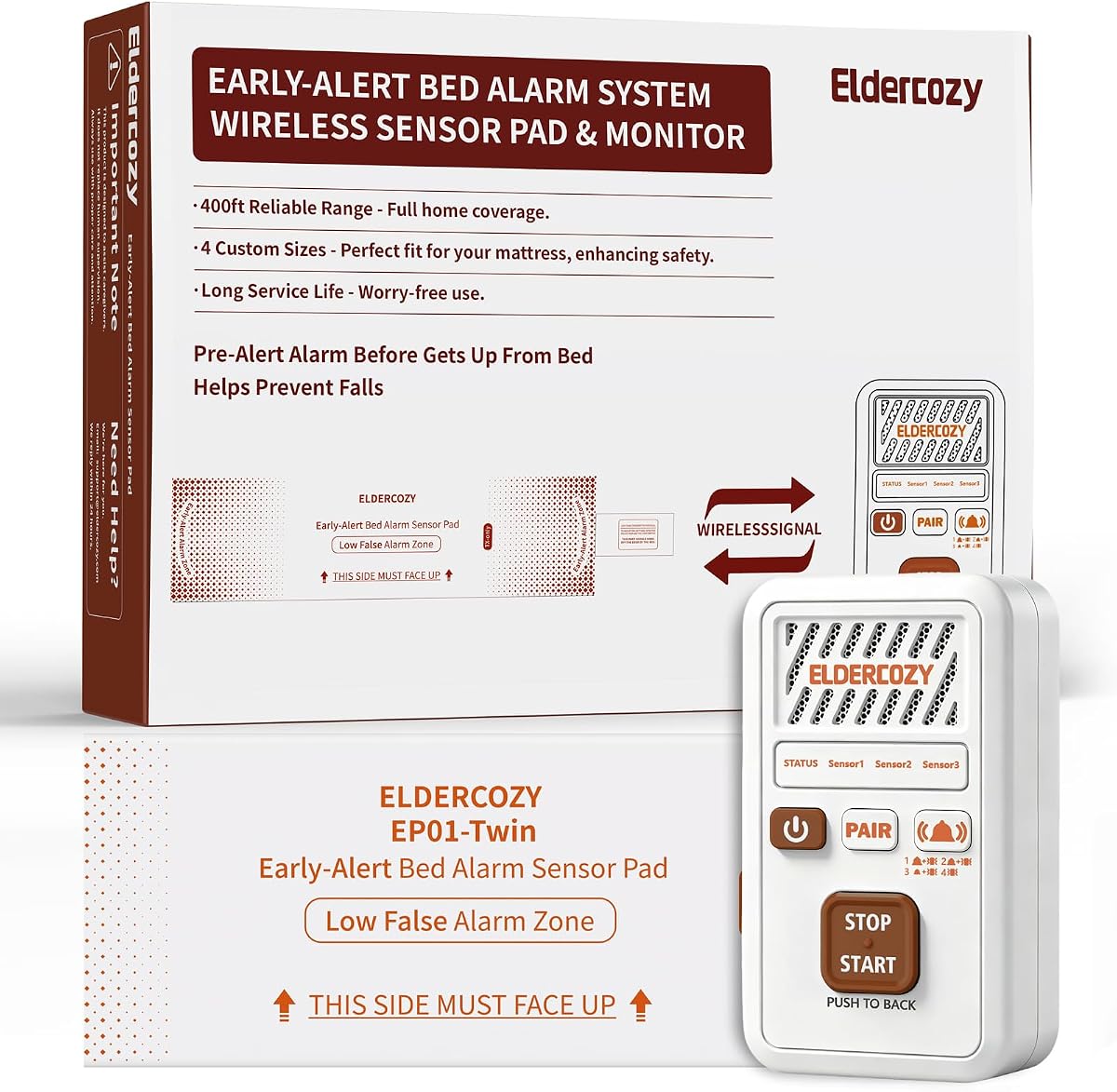
Twin Size Wireless Bed Alarms for Elderly Dementia Patients
4.8Editor score
Quiet TPU comfort design
Early alert before standing
Caregiver mode for assistance
Protecting loved ones at night requires reliable monitoring tools. A good bed alarm detects movement early so caregivers can respond before falls happen.
We evaluated ten leading models based on sensor accuracy, wireless range, and ease of use. Each option offers unique features for different home care needs.
Every pick includes detailed specs and real-world performance notes. Prices may change so check the current listings before making your final safety decision.
4.8Editor score
4.7Editor score

4.5Editor score
As an Amazon Associate we earn from qualifying purchases.
The following table shows key specifications for each product so you can compare features side by side.



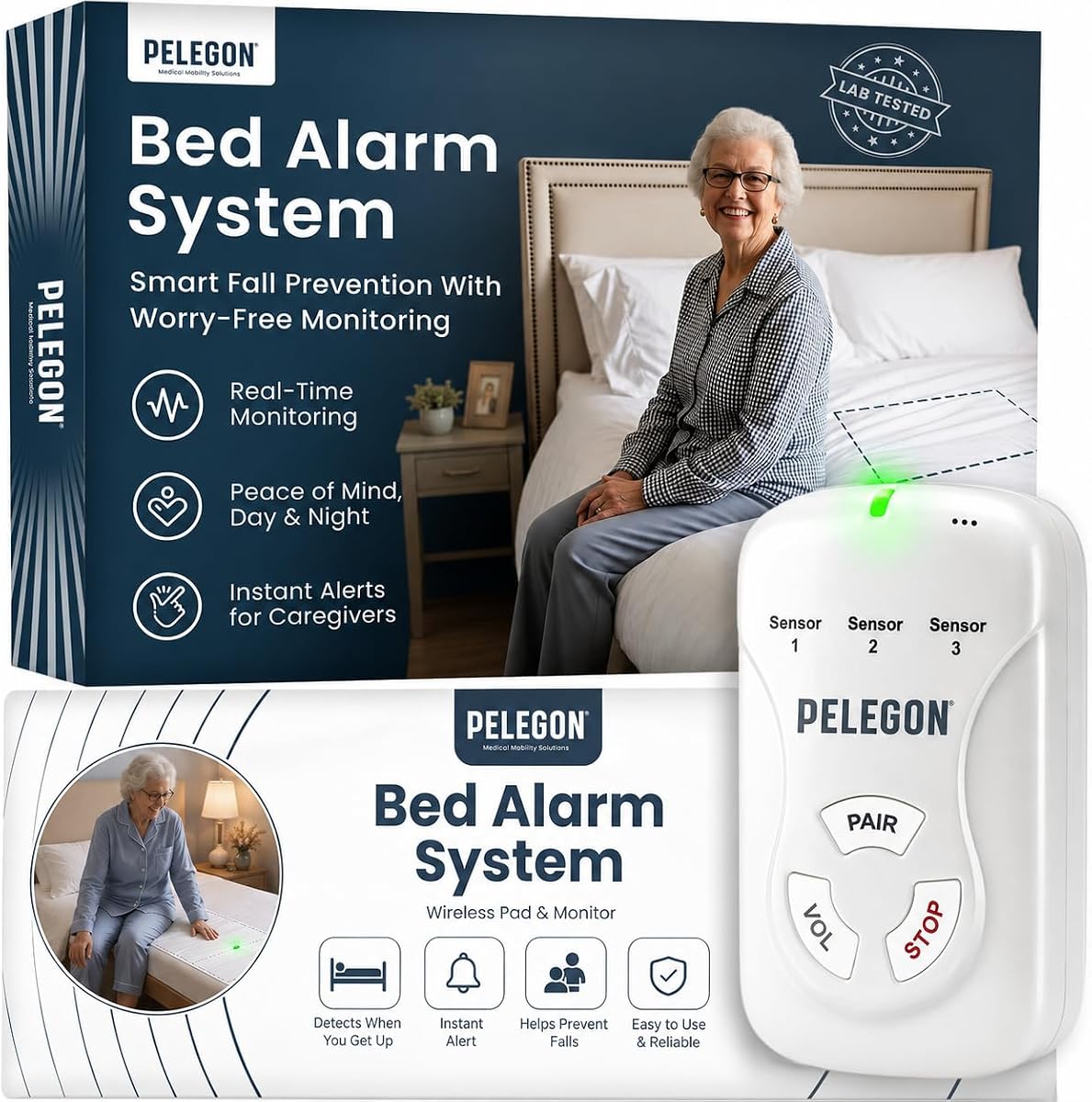
The PELEGON Bed Alarms is a top choice for caregivers seeking reliable fall prevention. It features a wireless sensor pad that detects movement as a loved one begins to rise. This gives valuable seconds to assist before a fall risk occurs.
We may earn a commission when you buy through this link, at no additional cost to you.
Its long range coverage allows caregivers to monitor from another room with confidence. The pager clips to a belt or fits in a pocket. Customizable alert modes include sound or vibration for quiet monitoring in shared rooms.
While setup is tool free and fast some users may find the pad shifts if sheets are not tight. This is minor compared to the safety benefits. The system is designed specifically for dementia support to reduce wandering.
We recommend this for families needing immediate alerts without disturbing the patient. It balances simplicity with advanced features like vibration only mode for overnight care.
Detects movement as a loved one begins to rise giving caregivers valuable seconds to assist.
Choose sound alerts adjust volume or use vibration only mode for quiet monitoring in shared rooms.
We may earn a commission when you buy through this link, at no additional cost to you.
The Smart Caregiver Bed Alarm offers instant alarms when pressure is removed from the pad. This lets caregivers know if a loved one leaves the bed safely. It is a trusted solution for daily use in caregiving environments.
We may earn a commission when you buy through this link, at no additional cost to you.
The pad fits discreetly under the lower fitted sheet. It is made of durable vinyl sealed for incontinence protection. You can clean it easily with a wet cloth to maintain hygiene.
Wireless alerts require an add-on kit sold separately which adds cost. However the in-room alarm can remind the patient to stay seated. This helps avoid startling the patient directly.
This model is ideal for those who prefer a wired connection for reliability. It includes low battery and sensor status lights to ensure the monitor is working properly.
Sealed vinyl sensor pad resists incontinence for easy cleaning with a wet cloth.
Press the reset button on the monitor to silence the alarm when assistance is needed.
We may earn a commission when you buy through this link, at no additional cost to you.
The Twin Size Wireless Bed Alarms prioritize comfort with a soft TPU composite. Unlike noisy PVC pads it never crunches when a patient rolls over. This ensures uninterrupted sleep while maintaining safety.
We may earn a commission when you buy through this link, at no additional cost to you.
Its early alert system triggers when a loved one sits on the edge of the bed. This happens before they stand up giving you time to respond. The wireless signal reaches up to 400 feet to your pager.
The premium price reflects the durable design and advanced features. Caregiver Mode allows you to pause the alarm for 20 minutes during assistance. This prevents false alarms when you are already helping.
Choose this model if you want a pad that feels like part of the mattress. It is also approved for FSA and HSA funds which helps offset the cost.
Soft skin friendly TPU composite never crunches when patients roll over ensuring uninterrupted sleep.
Long press STOP START button to activate Caregiver Mode and pause alarm for assistance.
We may earn a commission when you buy through this link, at no additional cost to you.
The Upgraded Version Bed Sensor Alarm uses a motion sensor placed on the floor. It triggers when a patient's foot touches the ground instead of pressure on the bed. This avoids false alarms from incontinence or shifting.
We may earn a commission when you buy through this link, at no additional cost to you.
It offers a wide detection range of 918 feet in open areas. You can place it under the bed or at the door. The receiver has dual power supply options including alkaline batteries or Micro USB.
While the motion sensor works well you must test the range before fixing it. The self-test procedure flashes for 20 seconds so check direction carefully. This ensures it detects the patient correctly.
This is an excellent budget option for homes where incontinence is a concern. It prevents the mess of soaked pads while still alerting caregivers effectively.
Unlike traditional pads this sensor detects when a foot touches the floor reducing false alarms.
Runs on alkaline batteries or Micro USB to avoid needing an AC socket.
We may earn a commission when you buy through this link, at no additional cost to you.
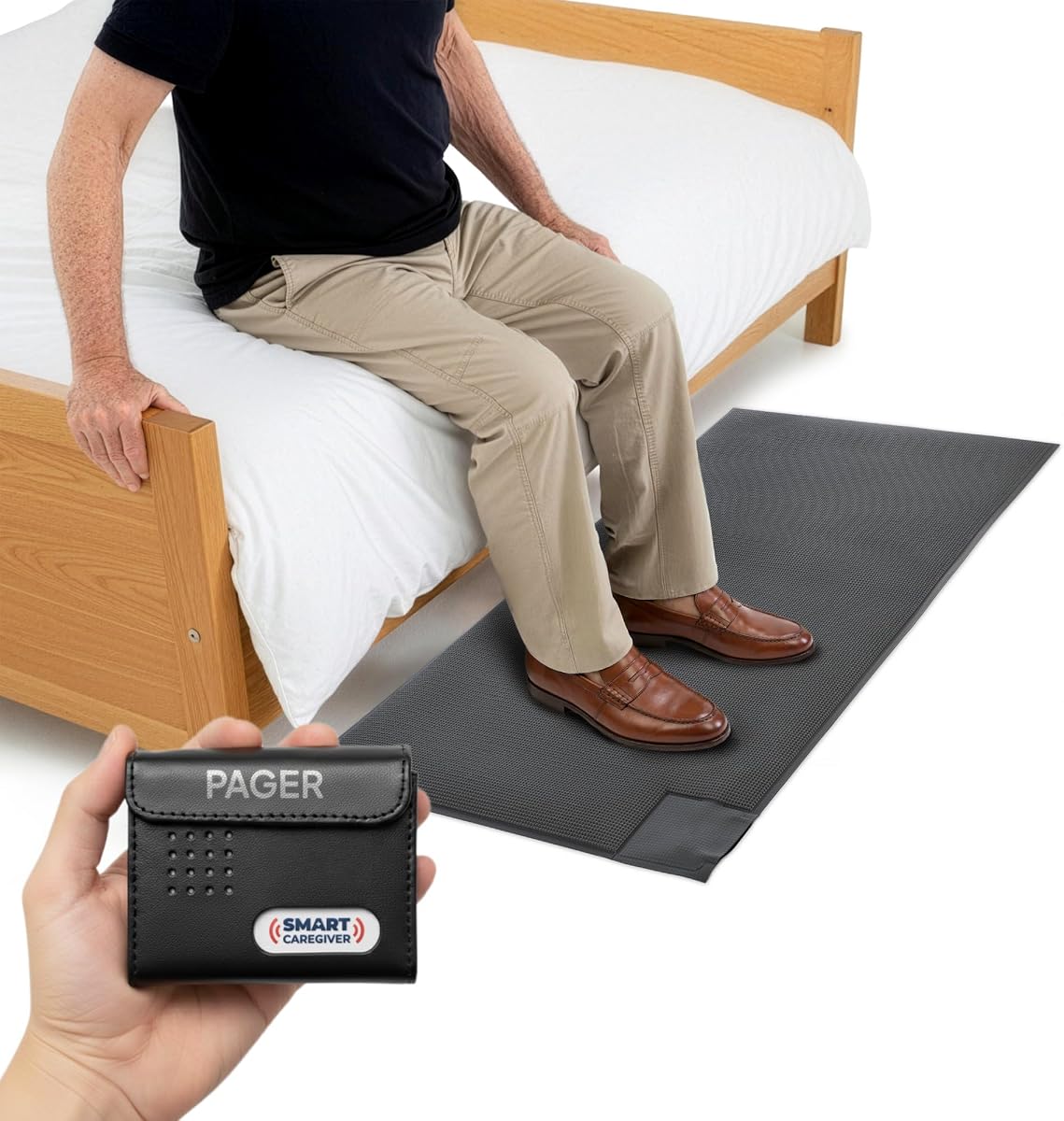
The Smart Caregiver Floor Mat Alarm detects weight when someone steps on the mat. You can place it next to the bed or by an exit door. This adds a valuable safety layer for dementia patients who wander.
We may earn a commission when you buy through this link, at no additional cost to you.
The wireless pager alerts caregivers up to 300 feet away without loud noises in the room. It features an audible alert option and a vibrate option. This won't startle residents or disrupt sleep.
This mat is larger than typical bed pads making it versatile for floor monitoring. It pairs with other Smart Caregiver alarms for comprehensive coverage. However note that the pager batteries are not included.
Select this if you need to monitor doorways in addition to bed exits. The durable mat withstands daily use and provides peace of mind for wandering prevention.
Place by exit door to alert if patient tries to wander out of house or facility.
Pair with other Smart Caregiver alarms such as call buttons and motion sensors.
We may earn a commission when you buy through this link, at no additional cost to you.
The Smart Caregiver Bed Exit Alarm features a soft weight sensing pad that alerts when pressure is removed. Caregivers can carry on with daily life knowing their loved one is safe in bed. It ensures a better night's sleep.
We may earn a commission when you buy through this link, at no additional cost to you.
The included pager offers both vibrate and sound alert options. This enhances response times and convenience. The system supports up to six different sensors for comprehensive monitoring of beds chairs and doorways.
Early alert pads can send false alarms but this model reduces them with an extra large contact sensor. Simply place it under the shoulders for immediate alerts as the patient starts to get up.
Choose this if you want a scalable system that grows with your needs. As a USA based company it provides reliable customer support for any issues.
Support up to six different sensors for complete fall prevention and anti-wandering coverage.
Engineered to reduce false alarms with an extra large contact sensor under the shoulders.
We may earn a commission when you buy through this link, at no additional cost to you.
The CallToU Bed Alarms use an infrared motion sensor placed on the floor. It detects movement before the patient is fully standing without needing to touch them. The receiver features 5 volume levels and 18 ringtones for customization.
We may earn a commission when you buy through this link, at no additional cost to you.
You can use vibration only modes for quiet monitoring at night. The sensor supports 360 degree rotation to prevent false alarms from incontinence or restless sleep. This flexibility suits different care environments.
The motion sensor is battery powered and designed for long term use. The receiver uses Type C charging for portability. However the detection range is 3 to 10 feet which is shorter than wireless options.
Pick this for homes needing flexible alert options like silent mode. It is a solid choice for hospital or home care where you need to avoid noise.
Switch to silent or vibrate mode to suit night needs without disturbing patients.
Infrared sensor detects feet touching ground with 360 degree rotation to reduce false alerts.
We may earn a commission when you buy through this link, at no additional cost to you.
The Upgrade Professional Bed Sensor Alarm offers a wide range of 918 feet in open areas. It is factory paired so you simply load the batteries and start using it. The receiver can be powered by battery or Micro USB.
We may earn a commission when you buy through this link, at no additional cost to you.
You can switch between four alert modes including sound plus light flashing. Adjust the volume level or brightness of the light continuously. This helps avoid disrupting the patient unnecessarily.
Test the sensing range and direction before fixing the sensor in place. It starts a self-test procedure that flashes for 20 seconds. This ensures the sensor is pointing correctly toward the patient.
This model is great for large homes or open floor plans. The USB power option means it does not need to occupy a wall socket during testing.
Transmits signal to receiver within 918 feet of open area for broad monitoring.
Press M button to switch between sound light light only or LED modes.
We may earn a commission when you buy through this link, at no additional cost to you.
The Smart Caregiver Bed and Chair Exit Alarm includes both bed and chair sensor pads. It immediately alerts caregivers when a person attempts to get out of a bed or chair. This helps prevent falls before they happen.
We may earn a commission when you buy through this link, at no additional cost to you.
The monitor features adjustable volume located inside the battery compartment. You can silence the alarm by pressing the reset button on the front. A phone-style clip makes it easy to switch between using the bed and chair pad.
The pads are made of soft vinyl with a foam interior. They are sealed for incontinence protection. Place the bed pad under the fitted sheet aligned with shoulder blades or hips.
Select this if you need to monitor multiple areas without buying separate monitors. The durable pads ensure long reliability and easy cleaning for daily care.
Monitor both bed and chair exits with one system to prevent falls everywhere.
Phone-style clip lets you switch between bed and chair pad with monitor easily.
We may earn a commission when you buy through this link, at no additional cost to you.
The Bed Sensor Pad and Pager uses a highly sensitive pad to monitor patient movements. It triggers an immediate alarm when the patient attempts to leave the bed. This reduces fall risks for elderly and dementia patients.
We may earn a commission when you buy through this link, at no additional cost to you.
The wireless pager allows caregivers to move freely with a range up to 300 feet. It is lightweight and portable for use at home or in nursing facilities. The pad is made from tear and water resistant materials.
Some users report a lower rating due to sensitivity issues but many find it effective. It is simple to install with secure clips under fitted sheets. You can wipe it clean easily for hygiene.
Use this model if you need a versatile solution for hospital and rehabilitation centers. The large size ensures good coverage for monitoring patient movement accurately.
Highly sensitive 32 by 13 inch pad accurately monitors patient movements.
Ideal for home hospital nursing home and rehabilitation center use.
We may earn a commission when you buy through this link, at no additional cost to you.
Choosing the right safety system depends on your care setting and specific needs.
Decide between pressure pads and motion sensors. Pressure pads detect weight changes on the bed while motion sensors detect movement on the floor.
Motion sensors avoid false alarms from incontinence or sheet shifting but require floor placement.
Look for sound and vibration options. Vibration only alerts are ideal for nighttime care to avoid disturbing the patient.
Ensure the pager volume is adjustable so it is not too loud or too quiet.
Check the maximum range distance. Larger homes need longer range options to ensure the caregiver receives alerts from another room.
A range of 300 feet or more is recommended for open floor plans.
Select a sensor pad made of soft materials. Noisey pads can disrupt sleep which is counterproductive for health.
TPU or foam filled pads are generally more comfortable than vinyl under sheets.
Easy setup saves time for caregivers. Look for systems that require no tools or complicated installation.
Wireless pairing should be simple without needing Wi-Fi or apps.
The pad should be incontinence resistant and easy to clean. Sealed designs protect the internal components from moisture.
Durable materials ensure the device lasts through daily use.
If you have multiple patients or areas check if the system supports multiple sensors. This allows monitoring of beds and doorways with one pager.
Scalable systems provide better long term value.
Choose brands that offer customer service and warranties. Support teams can help with troubleshooting and setup issues.
A warranty provides peace of mind for your investment.
Place the sensor pad under the fitted sheet at the shoulder blades or hips. Ensure it lays flat without folds to avoid false alarms.
Insert fresh batteries into the pager and sensor unit. Check the low battery indicator lights regularly to ensure the system is working.
Clean the sensor pad with a damp cloth after each use. Do not submerge it in water unless it is explicitly rated as waterproof.
Many modern alarms offer silent vibration only modes that do not startle the patient. If you prefer a sound alert you can choose one with a low volume setting.
Battery life varies by model but most sensors last several months on a single set of batteries. Always check for low battery indicators on the pager.
Yes most wireless systems are portable and work on any standard bed. Ensure the sheet fits the pad securely to avoid movement during sleep.
Sealed pads are designed to resist moisture. Motion sensors are often better as they detect feet on the floor rather than pressure on the bed.
No these bed alarms use wireless RF signals. They work independently without needing an internet connection.
Most brands offer a one year warranty. Check the product listing to confirm the specific terms before purchasing.
Some bed alarms are eligible for FSA or HSA funds. Check with your provider to confirm coverage details for safety devices.
Wipe the sensor surface with a damp cloth and mild soap. Avoid soaking the device to prevent damage to the internal components.
The PELEGON and Twin Size Wireless models stand out for their balance of features and comfort. They offer excellent alert options to suit different caregiving scenarios.
Prioritize sensor accuracy and wireless range to ensure you receive timely notifications. Consider the patient's comfort to maintain their dignity during monitoring.
Prices change frequently so check the current listings for the best value before finalizing your purchase decision.