
SOLPERK Solar Panel Kit 20W
4.5Editor score
Includes charge controller
Waterproof design
Adjustable mounting bracket
This guide compares the top 10 marine solar panels for boats, RVs, and off-grid use, focusing on efficiency, durability, and performance in harsh conditions.
Marine solar panels are essential for keeping your vessel powered while off the grid. A good panel offers high efficiency, durability against saltwater corrosion, and reliable power generation even in variable conditions.
We compared ten top-rated panels based on cell technology, build quality, shading resistance, and overall value. Each product was evaluated for its suitability for marine environments and diverse power needs.
Each pick shows key specs and real-world performance traits to help you choose wisely. Note that product availability and pricing can change, so verify details before purchasing to ensure the best fit.
4.5Editor score

4.7Editor score
4.6Editor score
This side-by-side comparison highlights the key specifications and strengths of each panel to help you find the right match for your marine energy requirements and budget constraints.


This Renogy 100 Watt N-Type solar panel stands out as a top choice for marine applications due to its impressive 25% conversion efficiency. It delivers more power than standard PERC panels, making it ideal for vessels with limited roof space that need reliable energy.
We may earn a commission when you buy through this link, at no additional cost to you.
Its advanced 16BB cell technology reduces hot spots and micro-cracks, ensuring longevity in harsh saltwater environments. The low temperature coefficient means it maintains performance even on hot summer days when solar panels typically lose efficiency.
While it is a rigid panel, its robust aluminum frame and IP67 rating provide excellent protection against rain and dust. The main trade-off is its inflexibility compared to curved options, but the durability often outweighs this for most boat owners.
Boaters seeking a balance of high output and reliability will find this panel an excellent investment. Its proven track record and strong warranty make it a safe choice for critical onboard power needs.
The 25% efficiency allows you to generate more watts per square foot, crucial for boats with limited deck or roof area.
Low temperature coefficient minimizes power loss in high heat, keeping your battery charged during peak sunlight hours.
We may earn a commission when you buy through this link, at no additional cost to you.
The SOLPERK 20W kit is an ideal entry point for small boats or those needing basic battery maintenance. It includes everything needed to start charging, making it convenient for beginners without technical expertise.
We may earn a commission when you buy through this link, at no additional cost to you.
Its monocrystalline cells offer decent efficiency for the size, and the included 8A controller prevents overcharging. The adjustable bracket allows you to angle the panel toward the sun for better output throughout the day.
While it lacks the high power of larger panels, it serves well for keeping auxiliary batteries topped up during docking or light trips. The main limitation is its 20W capacity which may not sustain high-energy devices.
Budget-conscious boaters or those with small electrical loads will appreciate this kit’s simplicity and value. It is a reliable way to ensure your battery stays ready for use without significant investment.
Getting the panel, controller, and mounting hardware together saves time and ensures compatibility right out of the box.
The built-in controller protects your battery from overcharging, extending its lifespan even when unattended for long periods.
We may earn a commission when you buy through this link, at no additional cost to you.
This SUNER POWER kit distinguishes itself with an UltraSmart MPPT controller that maximizes energy harvest from the 20W panel. It offers better efficiency than standard PWM controllers, making it a smart choice for small setups.
We may earn a commission when you buy through this link, at no additional cost to you.
The visual indicators let you monitor charging status easily, while the three selectable modes optimize performance for different battery types like AGM or Lithium. This flexibility ensures your battery receives the right charge profile.
Although the panel is small, the high-efficiency controller means you get more usable power than with basic kits. The main trade-off is the higher price point relative to simpler non-MPPT options available.
If you value technology and want to squeeze every watt from a small panel, this kit is worth the investment. It is particularly useful for boats with varied battery chemistries needing precise charging.
The MPPT technology tracks the best power point to deliver up to 30% more charging than standard controllers.
Indicators show charge stages clearly so you can quickly verify the system is working without extra tools.
We may earn a commission when you buy through this link, at no additional cost to you.
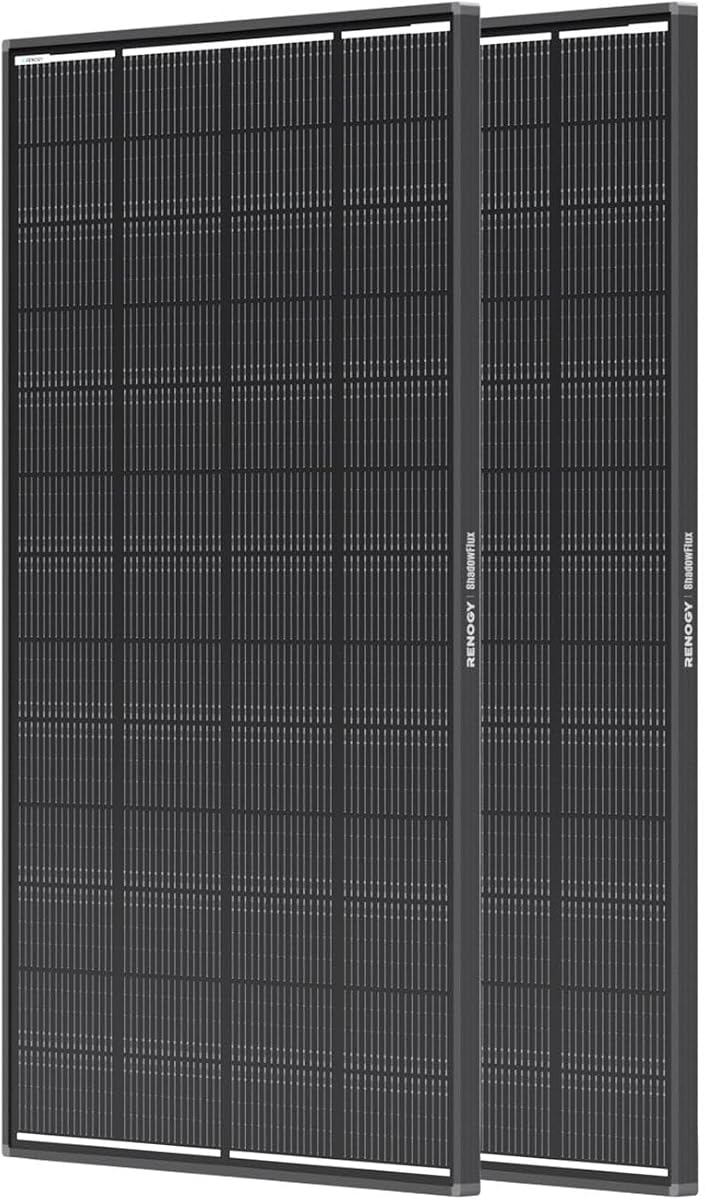
This 200W ShadowFlux panel is designed to handle partial shading from masts or rigging common on boats. Its technology ensures power output stays consistent even when parts of the panel are covered by shadows.
We may earn a commission when you buy through this link, at no additional cost to you.
The N-Type cells provide a 25% efficiency rate, delivering strong power generation in a relatively small footprint. This makes it easy to fit on crowded roofs or decks where space is at a premium.
While the rigid design requires a flat surface, its compact size and light weight make installation manageable. The primary trade-off is the need for proper placement to maximize the anti-shading benefits.
Boats with complex structures or obstacles that cast shadows will benefit most from this panel. It offers reliable energy production where other panels might fail due to inconsistent sun exposure.
This proprietary technology minimizes power loss when shaded by obstacles like masts or nearby trees on marina slips.
Delivers significant watts in a smaller area, helping maximize limited roof real estate on sailboats or motor yachts.
We may earn a commission when you buy through this link, at no additional cost to you.
For vessels needing substantial power, this 400W ShadowFlux panel provides top-tier output in a compact package. It combines high efficiency with anti-shading features to ensure maximum energy harvest even in less than ideal sunlight.
We may earn a commission when you buy through this link, at no additional cost to you.
Built with N-Type cells, it minimizes heat loss and offers a long lifespan with strong protection against environmental elements. The design allows for more power generation in less space compared to older models.
While it is a premium product with a higher cost, the return in energy generation justifies the expense for full-time cruisers. The main challenge is ensuring your mounting structure can support the larger panel.
If you run high-draw appliances like fridges or inverters, this panel is a robust solution. It provides the capacity needed for true off-grid independence on the water.
The 400W rating ensures you have enough power to run essential systems without relying heavily on generators.
Packaging 400W into a compact design helps you fit powerful systems on boats with limited deck area.
We may earn a commission when you buy through this link, at no additional cost to you.
This flexible panel is perfect for mounting on curved cabins or decks where rigid panels won't fit. Its ability to bend up to 240 degrees allows for seamless integration on boats with non-flat surfaces.
We may earn a commission when you buy through this link, at no additional cost to you.
Despite being flexible, it maintains a solid 200W output and uses durable half-cut PERC cells for efficiency. The lightweight design puts minimal strain on the boat's structure and installation is often simpler.
However, flexibility comes with trade-offs in durability compared to rigid glass panels. It should be installed on surfaces not exposed to heavy traffic or rough handling to prevent wear.
Boats with unique hull shapes or curved roofs will find this panel indispensable. It opens up installation options that rigid panels cannot offer, maximizing usable solar area.
The bendable design allows it to conform to rounded cabin tops or other curved surfaces for better sun exposure.
Its low profile reduces wind drag and adds minimal weight, preserving boat stability and performance.
We may earn a commission when you buy through this link, at no additional cost to you.
This 120W ShadowFlux panel bridges the gap between small maintenance kits and large power systems. It offers enough output for small to medium boats needing reliable energy without the bulk of larger arrays.
We may earn a commission when you buy through this link, at no additional cost to you.
The N-Type cells ensure high efficiency and longevity, while the ShadowFlux tech mitigates power loss from shading. This balance makes it a practical choice for everyday use on recreational vessels.
Its compact size helps fit it into tight spots, but the rigid frame still requires a flat surface. The main consideration is ensuring your boat has enough space for installation without obstructing visibility.
If you need more than 100W but don't want a full system, this panel is a great middle ground. It delivers consistent performance for essential electronics and lighting onboard.
120W is sufficient for running lights, fans, and navigation electronics without overwhelming your battery bank.
Smaller size allows easier integration on smaller boats that cannot support larger 200W or 400W panels.
We may earn a commission when you buy through this link, at no additional cost to you.
This 50W kit offers a significant step up from smaller options thanks to its integrated MPPT controller. It is ideal for boats needing more power than 20W kits can provide but still focused on maintenance.
We may earn a commission when you buy through this link, at no additional cost to you.
The visual indicators and automatic charging make it very user-friendly for owners who want set-and-forget reliability. It handles different battery types with ease, ensuring optimal charging without manual adjustments.
While the power output is moderate, the efficiency gains from MPPT make it effective for keeping batteries healthy. The main drawback is the price relative to raw wattage compared to standalone panels.
This solution is perfect for boats with limited space but a need for smarter charging. It ensures your battery bank remains healthy during storage or intermittent use.
The unit stops and resumes charging based on battery levels to prevent overcharging and extend battery life.
LED indicators show charge stages clearly so you can verify system status at a glance.
We may earn a commission when you buy through this link, at no additional cost to you.
This bifacial panel captures sunlight from both sides, potentially increasing total energy harvest significantly. It is a premium choice for boats where light reflection from the deck can boost performance.
We may earn a commission when you buy through this link, at no additional cost to you.
The N-Type construction ensures high efficiency and long-term reliability, while the TwinCell design protects against shading from masts or antennas. The IP68 rating offers top-tier protection against harsh marine conditions.
To maximize bifacial gains, the panel must be mounted high enough to catch reflected light. The investment cost is higher, but the potential for extra power can justify it in the right setup.
For advanced users seeking maximum efficiency, this panel offers unique advantages. It provides robust performance even when partially shaded, ensuring consistent power generation.
Light hitting the backside generates additional power, increasing total output when mounted with clearance below.
Independent sections allow power to continue even if one part of the panel is in shadow.
We may earn a commission when you buy through this link, at no additional cost to you.
This small trickle charger is best suited for boats where only a tiny amount of power is needed to prevent battery drain. It is an ultra-budget option for keeping a single battery topped up.
We may earn a commission when you buy through this link, at no additional cost to you.
The built-in protection system prevents overcharging, and the LED light gives you a quick visual cue of charging activity. Its compact frame makes it easy to place in a small gap on your boat.
The low wattage means it cannot power any significant loads beyond basic maintenance. It is strictly for preventing dead batteries during long periods of inactivity or storage.
Boaters with minimal electrical needs will find this kit effective for its intended purpose. It is a reliable, low-cost way to ensure your battery doesn't die when you next visit the dock.
Provides just enough power to offset natural discharge without overcharging small batteries during storage.
Red and green LEDs show sunlight reception and battery connection so you know it is working.
We may earn a commission when you buy through this link, at no additional cost to you.
Selecting the right marine solar panel involves weighing efficiency, durability, and size against your specific power needs. This guide outlines the key factors to consider for a successful installation.
Efficiency determines how much power you get per square foot. Higher efficiency panels like those with N-Type cells are better for boats with limited roof space where you need maximum output.
Look for panels with at least 20% efficiency to ensure you get the most from your available area.
Marine environments demand robust construction. Panels should have IP67 or IP68 ratings to withstand salt spray, rain, and high humidity without degrading.
Choose panels with corrosion-resistant frames and tempered glass that can handle wind loads common on the water.
Shading from masts, antennas, or rigging can significantly reduce output. Panels with anti-shading tech like bypass diodes or ShadowFlux maintain better production even when partially covered.
Investing in anti-shading features ensures consistent energy generation even when your boat is not in perfect sunlight.
Rigid panels are generally more durable and efficient but require flat surfaces. Flexible panels offer installation on curved roofs but may be less durable over time.
Choose rigid for long-term reliability and flexible if you need to fit curved surfaces where rigid panels won't work.
A good charge controller is as important as the panel itself. MPPT controllers extract more power than standard PWM controllers and are recommended for larger systems.
If buying a kit, ensure the controller supports your battery type like AGM or Lithium to avoid damage and maximize lifespan.
Calculate your daily energy consumption to determine how many watts you need. Small maintenance needs can be met with 20W to 50W kits while full power systems require 200W or more.
Undersized panels lead to discharged batteries, while oversized systems may be unnecessary and costly for your specific usage.
Proper installation ensures maximum exposure to sunlight. Mount panels on the highest flat surface away from shade cast by masts or structures, angling them slightly south in the northern hemisphere for optimal capture.
Regular cleaning with fresh water helps remove salt deposits and bird droppings that can reduce efficiency. Check electrical connections every few months to ensure they remain tight and free of corrosion.
Monitor your charge controller to ensure batteries are charging correctly. If you notice a drop in performance, inspect for debris or shading changes before assuming the panel has failed.
The number depends on your energy usage and roof space. Small boats typically need one 200W panel for basic loads while larger vessels may require multiple panels to run high-draw appliances like refrigerators.
Yes if you choose panels designed for marine use. Look for corrosion-resistant frames and IP67 or higher ratings to ensure they withstand salt spray and harsh conditions without rusting.
Yes, a charge controller is essential to prevent overcharging and damage to your batteries. It regulates the flow of power from the panel to ensure safe and efficient battery charging.
Rigid panels offer better durability and efficiency for most installations. Flexible panels are useful for curved surfaces but may not last as long in rough marine environments.
Most quality panels last between 20 to 25 years with minimal degradation. Proper maintenance and protection from physical damage can help extend their effective lifespan on your boat.
Small appliances like lights and fans can run directly on solar power with a battery buffer. Larger appliances like AC require significant solar capacity and a large battery bank.
We reviewed ten top marine solar panels ranging from small maintenance kits to powerful 400W systems. The Renogy 100W N-Type stands out for efficiency while the SOLPERK 20W kit offers great value for basic needs.
When choosing prioritize durability and efficiency to ensure you get reliable power in challenging marine environments. Consider anti-shading technology if your boat has masts or rigging that block sunlight.
Prices and availability fluctuate regularly so check current offers before buying to ensure you get the best deal. Verify your battery compatibility and mounting requirements to complete your solar setup successfully.