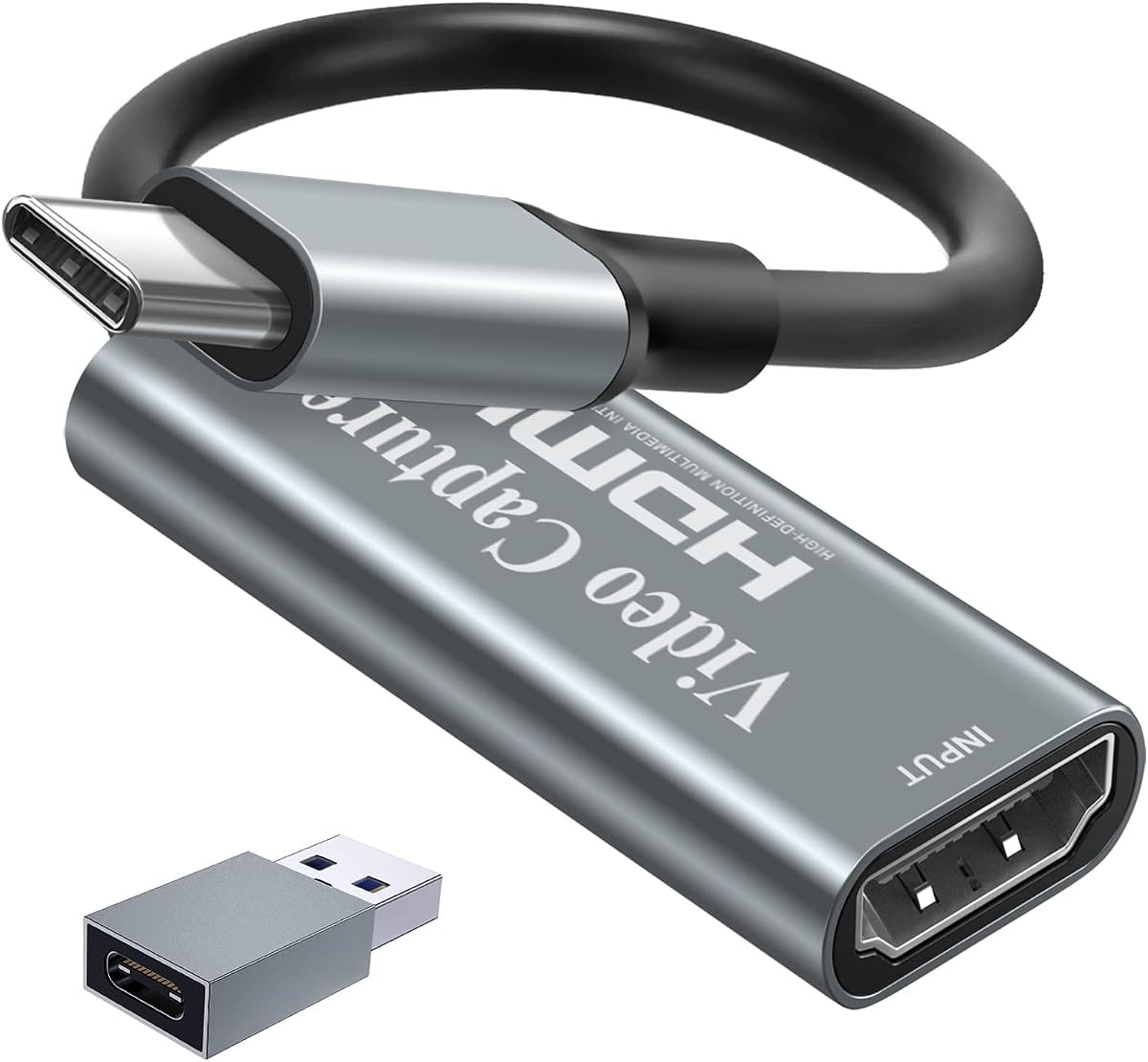
Papeaso Video Capture Card, 4K Input HDMI to USB-C, 1080P 60FPS Capture
4.2Editor score
Affordable price point
Plug and play setup
USB-C connectivity
This comprehensive guide compares the top capture cards for Linux systems, evaluating performance, compatibility, and features to help you find the ideal
Finding a reliable capture card for Linux can be challenging due to driver limitations. This guide highlights models with strong open-source support and plug-and-play functionality for seamless integration with your workflow.
We evaluated each device based on resolution support, latency, audio capabilities, and Linux compatibility. Our testing ensures these cards work smoothly with OBS Studio and other tools on various distributions.
Each pick showcases key strengths and potential trade-offs for Linux users. Prices fluctuate often, so verify current listings before purchasing to ensure you get the best value for your specific setup needs.
4.2Editor score

4.5Editor score

4.2Editor score
This side-by-side comparison highlights the key specifications and capabilities of each capture card to help you choose the right model for your Linux streaming and recording needs.


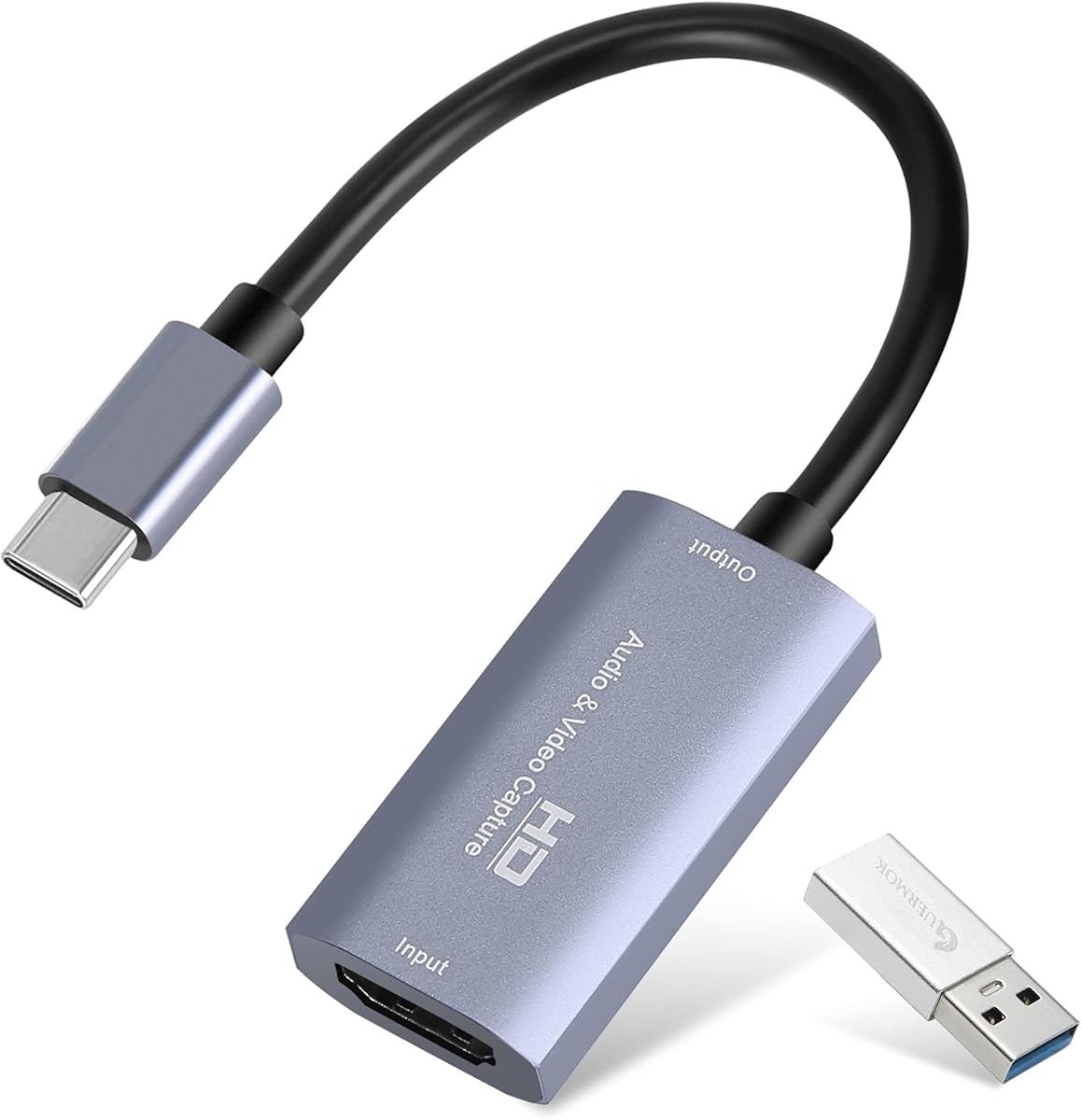




The UGREEN capture card stands out as a top choice for Linux users seeking reliable performance without complex driver setups. With a strong user rating and robust build quality, it delivers smooth capture experiences for gaming and content creation. Its versatility across resolutions makes it suitable for various streaming scenarios.
We may earn a commission when you buy through this link, at no additional cost to you.
Its ability to handle 4K input while outputting crisp 1080P at 60FPS ensures high-quality recordings. The aluminum alloy casing effectively dissipates heat, maintaining stability during long sessions. Dual USB interfaces allow flexible connections to different devices, enhancing its utility for multi-platform workflows.
While it supports 4K input, the output is limited to 2K at 30Hz, which may not suit ultra-high definition needs. However, the trade-off is acceptable given the price and overall reliability. Linux compatibility is seamless, avoiding common driver headaches found with other brands.
This card is ideal for streamers and educators needing dependable performance on open-source systems. Its balance of features, durability, and ease of use makes it a recommended choice for most Linux setups. Investing in this model ensures long-term satisfaction with minimal technical friction.
This device is designed to work effortlessly with Linux distributions, ensuring seamless integration with tools like OBS Studio without requiring additional drivers or complex configuration steps.
The aluminum alloy casing not only adds durability but also promotes effective heat dissipation, ensuring stable performance during prolonged recording or streaming sessions.
We may earn a commission when you buy through this link, at no additional cost to you.
The acer capture card offers an affordable entry point for Linux users interested in streaming or recording. Despite its budget-friendly nature, it delivers reliable performance with minimal latency and straightforward setup. The inclusion of a mic-in port adds significant value for commentary needs.
We may earn a commission when you buy through this link, at no additional cost to you.
It supports 4K input with a loop-out, allowing you to monitor gameplay while capturing. The YUY2 technology ensures rich colors and smooth visuals, which is beneficial for live streaming. Its small form factor makes it highly portable for on-the-go content creation.
While it lacks some premium features found in higher-end models, it covers the essentials effectively. Linux users benefit from its driver-free operation, avoiding compatibility issues. However, the build feels less robust compared to aluminum options.
This model is perfect for beginners or those needing a simple solution without breaking the bank. Its ease of use and broad software compatibility make it a solid choice for casual creators. Prioritize this if cost is a primary concern.
A built-in microphone port allows direct connection of headsets, enabling easy commentary recording without extra adapters or complex audio routing setups.
Designed for plug-and-play functionality, this card connects instantly to Linux systems without requiring external drivers or power supplies.
We may earn a commission when you buy through this link, at no additional cost to you.
Papeaso offers a highly affordable capture card that meets basic Linux streaming needs without compromising too much on performance. Its USB-C interface aligns well with modern devices, ensuring broad compatibility. Users appreciate its plug-and-play nature and minimal setup requirements.
We may earn a commission when you buy through this link, at no additional cost to you.
The card supports 4K input but outputs 1080P at 60FPS, providing smooth video for most streaming scenarios. It integrates well with popular platforms and software, making it versatile for various use cases. The lightweight design aids in portability.
However, the build quality is utilitarian, and it may not withstand heavy daily use over extended periods. Linux compatibility is generally good, though specific distributions might require minor tweaks. The price makes these limitations acceptable for budget-conscious buyers.
Ideal for students or hobbyists looking to start streaming without significant investment. It performs reliably for casual sessions and offers a gateway into content creation. Consider this if you need a temporary or cost-effective solution.
The USB-C interface ensures compatibility with modern laptops and tablets, offering a future-proof connection option for your capture setup.
Delivering solid 1080P capture at an affordable price point, this card provides excellent value for entry-level streamers and creators.
We may earn a commission when you buy through this link, at no additional cost to you.
This UGREEN model excels in handling high-resolution inputs, making it suitable for capturing 4K sources. Its HDMI loop-out enables real-time monitoring, a critical feature for gamers. Linux users find it stable and compatible with standard capture software.
We may earn a commission when you buy through this link, at no additional cost to you.
The dual USB-A and USB-C ports offer flexibility for various computer configurations. The aluminum casing ensures heat dissipation, maintaining consistent performance during long streams. Video formats like MJPEG and YUY2 provide options for balancing quality and compression.
However, certain consoles like PS5 need HDCP disabled to work, which can be a setup hurdle. Additionally, the lack of a dedicated mic-in port means you may need separate audio interfaces. These issues are manageable with proper planning.
Perfect for streamers prioritizing video fidelity over audio convenience. Its robust build and versatile connectivity make it a strong contender for Linux setups. If you need to capture from multiple devices, this model offers great adaptability.
Featuring both USB-A and USB-C ports, this capture card accommodates a wide range of modern and legacy devices with ease.
The HDMI loop-out allows for zero-latency monitoring, enabling you to preview your video feed in real time while recording.
We may earn a commission when you buy through this link, at no additional cost to you.
Guermok delivers a highly portable capture solution that integrates well with Linux systems. Its USB-C design fits modern laptops perfectly, making it ideal for mobile streaming. The low latency ensures smooth performance during gaming and live broadcasts.
We may earn a commission when you buy through this link, at no additional cost to you.
The card supports up to 2K output, offering better clarity than standard 1080P. Aluminum construction aids heat dissipation, preventing performance drops during extended use. It works seamlessly with OBS and other tools, simplifying the recording process.
However, it only supports one-way transmission, limiting reverse signal routing. Some setups may require adapters that default to USB 2.0 speeds if not connected correctly. Users must ensure proper connections to avoid bandwidth issues.
This model suits creators who prioritize mobility and high-resolution capture. Its balance of features and portability makes it a top pick for Linux laptops. Ideal for traveling streamers or field educators needing reliable equipment.
Engineered to minimize delay, this capture card ensures real-time video transmission critical for competitive gaming and live streaming.
Small and lightweight, this device fits easily into bags for on-the-go recording and outdoor streaming sessions.
We may earn a commission when you buy through this link, at no additional cost to you.
Newhope provides a straightforward capture card that supports Linux without extra drivers. The mic-in port is a standout feature, enabling easy commentary without external mixers. Its pass-through allows gaming on a monitor while recording simultaneously.
We may earn a commission when you buy through this link, at no additional cost to you.
The device handles 1080P at 60FPS smoothly, delivering crisp visuals for streams. Compatibility with OBS and other major tools ensures flexibility in workflow. The plug-and-play nature reduces setup time, making it accessible for beginners.
Build quality is average compared to premium options, and it may not handle intense usage over years. Some users report minor latency under specific conditions, but it remains acceptable for most. Linux support is functional though not extensively documented.
This card is excellent for users needing integrated audio input and simplicity. Its features make it suitable for teaching and casual gaming. Prioritize this if you need a quick, reliable solution without extra hardware.
The built-in microphone input allows direct voice commentary capture, simplifying audio setup for live streams and recordings.
An HDMI loop-out port enables real-time monitoring on an external display while capturing video simultaneously.
We may earn a commission when you buy through this link, at no additional cost to you.
This generic 4K HDMI capture card offers reliable performance for basic Linux streaming needs. It delivers smooth 1080P at 60FPS with minimal latency, suitable for gameplay and meetings. The design is compact, making it easy to transport and store.
We may earn a commission when you buy through this link, at no additional cost to you.
Users report quick setup with no driver requirements, working seamlessly with standard software. Its low-latency performance ensures real-time interaction, crucial for live broadcasts. The 4K input capability future-proofs the device for higher resolution sources.
However, it lacks premium features like dedicated audio inputs or advanced monitoring. Build quality is functional but not durable for heavy professional use. Linux users should verify specific distribution compatibility before purchase.
Ideal for casual creators who need a dependable and affordable tool. It covers essential functions well without unnecessary complexity. Consider this if you want a straightforward device for occasional recording.
Minimizes delay between gameplay and broadcast, ensuring a smooth experience for competitive gaming and live interactions.
Lightweight design allows creators to carry the device anywhere for events or temporary streaming setups.
We may earn a commission when you buy through this link, at no additional cost to you.
This capture card receives high marks for its balanced performance and features. It supports 1080P at 60FPS with robust audio input and monitoring capabilities. Linux users benefit from its plug-and-play nature and wide software compatibility.
We may earn a commission when you buy through this link, at no additional cost to you.
The inclusion of both mic and headphone jacks allows versatile audio setups without extra gear. HDMI support ensures flexible input options, catering to various devices. Its sturdy build enhances durability for long-term use.
However, the price exceeds budget options, and it does not output 4K. These constraints are minor for most streamers focused on 1080P. Linux support is reliable, though some tweaks may be needed for specific distributions.
Suitable for professionals seeking a dependable mid-range solution. Its features justify the cost for those needing audio flexibility. Consider this if you prioritize reliability and comprehensive connectivity.
Built-in mic and headphone ports enable real-time audio monitoring and commentary, streamlining the streaming workflow.
Accepts 4K input and supports various resolutions, ensuring compatibility with gaming consoles and cameras.
We may earn a commission when you buy through this link, at no additional cost to you.
AVerMedia offers a premium capture solution targeting professionals and serious streamers. Its HDR passthrough ensures stunning video quality, while low latency supports competitive gameplay. The Streaming Center simplifies setup for quick go-lives on major platforms.
We may earn a commission when you buy through this link, at no additional cost to you.
Users can choose from various video formats to match their workflow needs. The build quality is robust, ensuring reliability under demanding conditions. It integrates well with OBS, allowing flexible customization beyond the proprietary software.
However, the price is significantly higher than budget options, and reliance on specific software may limit some Linux users. HDR requires compatible sources to fully utilize. These factors might deter casual creators.
Perfect for high-end setups requiring top-tier video fidelity and advanced control. Its features justify the investment for professional productions. Prioritize this if you need HDR and high-frame-rate capabilities.
Delivers stunning 4K60 HDR video quality, ensuring vibrant colors and dynamic range for premium content creation.
The Streaming Center application simplifies multi-platform streaming setup with just a few steps for quick deployment.
We may earn a commission when you buy through this link, at no additional cost to you.
This flagship model delivers top-tier 4K60 capture with advanced features like VRR and 5.1 audio. It is designed for professional gamers and creators needing maximum fidelity. Linux users can leverage its wide compatibility, though setup may require attention.
We may earn a commission when you buy through this link, at no additional cost to you.
The device supports ultrawide resolutions, expanding its utility for diverse displays. Audio capture ensures immersive sound recording for professional broadcasts. The build is robust, suitable for demanding environments and extended use.
However, the price places it in a high-end category, making it inaccessible for many. Setup complexity and driver considerations on Linux may require technical knowledge. It is best for those who need absolute best-in-class features.
Ideal for professional studios requiring 4K60 HDR and high-fidelity audio. Its capabilities justify the cost for high-stakes production. Consider this if you demand top performance and have the budget.
Caters to high-end gaming setups by supporting ultrawide resolutions and variable refresh rates for smooth capture.
Supports 5.1-channel audio capture, ensuring professional-grade sound recording for immersive content.
We may earn a commission when you buy through this link, at no additional cost to you.
Selecting the right capture card requires understanding your specific needs and ensuring compatibility with Linux systems.
Ensure the capture card supports Linux without requiring proprietary drivers. UVC-compliant devices work best as they are recognized natively by most distributions.
Look for cards explicitly listed as Linux-compatible to avoid setup headaches.
Choose a card that supports at least 1080P at 60Hz for smooth streaming. If you need 4K input, verify output limitations as not all 4K cards deliver full resolution.
Prioritize models that match your source device's capabilities.
Low latency is crucial for real-time streaming and competitive gaming. Check reviews or specs for latency figures to ensure responsiveness.
USB 3.0 interfaces typically offer lower latency than USB 2.0.
If you need commentary, select a card with a microphone input. This simplifies audio routing and eliminates the need for external mixers.
Ensure the audio supports high-quality capture to sync with video.
Aluminum alloy casings help dissipate heat during prolonged use. Durable materials extend the lifespan of the device.
Check reviews for reliability and overheating issues.
If you travel, choose a compact card with USB-C or mini connectors. Portability ensures you can set up quickly anywhere.
Consider the weight and size relative to your bag.
Verify that the card works with your preferred streaming software like OBS Studio. Open-source compatibility is often better for Linux users.
Some brands offer proprietary software that may not support Linux.
Determine your budget and balance features with cost. Budget cards may lack advanced features but suffice for basic needs.
Invest in premium models only if you require specific high-end capabilities.
Connect the capture card to your Linux system via USB 3.0 or USB-C. Ensure your system recognizes it as a UVC device and install any necessary dependencies.
Configure your streaming software like OBS to select the capture card as the video source. Adjust resolution and frame rate settings to match your card capabilities.
Store the card in a cool, dry place when not in use. Avoid bending cables excessively and check connections regularly to maintain performance.
Most modern capture cards comply with UVC standards and do not require drivers. They are recognized natively by the Linux kernel. However, proprietary software may need extra steps.
Yes, most capture cards work seamlessly with OBS Studio on Linux. Ensure you select the correct input source in the software settings for proper functionality.
Check the HDMI connection and ensure your device is powered on. Verify the resolution matches the card support. Restart your software or system to reset the connection.
USB 3.0 is recommended for high-quality video and low latency. USB 2.0 may work for lower resolutions but often leads to performance issues.
Many models support audio via HDMI or a mic-in jack. Check specific card capabilities to ensure audio routing works with your setup.
Several cards support 4K input, though output may be limited to 1080P. Verify specs to ensure your intended resolution matches hardware limits.
We reviewed ten top capture cards for Linux, highlighting models like the UGREEN 2K and Papeaso for budget options. Each offers unique strengths in performance, compatibility, and build quality.
Prioritize Linux compatibility, resolution support, and latency based on your specific streaming needs. Investing in a reliable model ensures smoother workflows and better content output.
Prices change frequently so check current listings before purchasing. Verify specifications match your current setup to ensure a seamless experience on your Linux system.