
AKAMATIS Human Presence Sensor v2.2
4.4Editor score
Affordable price point for Wi-Fi
External antenna improves range
Plug-and-play with Home Assistant
This guide compares the best Home Assistant human presence sensors using mmWave radar to detect stationary humans for smarter automation without false triggers.
Modern smart homes need accurate presence detection to automate lights and climate efficiently. Traditional motion sensors fail when you sit still, causing lights to turn off unexpectedly. New mmWave radar sensors solve this by detecting breathing and micro-movements reliably.
We evaluated ten top-rated presence sensors designed for Home Assistant integration. Each device was assessed on detection accuracy, connectivity options, battery life, and ease of setup. Our goal is to help you choose the right sensor for your specific home automation needs.
Each pick below highlights key features, pros, and cons based on current performance data. These selections cover various budgets and connectivity protocols like Wi-Fi and Zigbee. Please note that product availability and pricing can change rapidly, so verify details before purchasing.
4.4Editor score

4.4Editor score

3.6Editor score
This side-by-side comparison highlights key specifications across all ten reviewed sensors. It helps you quickly identify differences in connectivity, detection technology, and additional features like temperature or light sensing.




The Akamatis Litos v3 stands out as the top pick for Home Assistant users seeking reliable presence detection. With a strong 4.4-star rating, it combines mmWave radar technology with an integrated light sensor to offer precise automation triggers.
We may earn a commission when you buy through this link, at no additional cost to you.
Its standout feature is the HLK-LD2410 24GHz mmWave radar, which detects both motion and stationary objects up to 20 feet indoors. The integrated VEML7700 light sensor ensures automation respects lighting conditions, making it ideal for turning lights on only when the room is dark and occupied.
While the device is pre-flashed with ESPHome for ease of use, it does require an existing Home Assistant installation and basic familiarity with the platform. It is wired via USB-C meaning there are no battery replacements needed, which simplifies maintenance but requires a nearby power source.
This sensor is perfect for DIY smart home enthusiasts who want local control without cloud dependencies. Its combination of accurate detection, ambient light awareness, and seamless ESPHome integration makes it a robust choice for automating living rooms or hallways efficiently.
The 24GHz mmWave radar reliably detects micro-movements like breathing ensuring lights stay on even when you are sitting still reading or watching TV.
The built-in ambient light sensor allows for nuanced rules such as activating lights only when presence is detected and the room falls below a specific brightness threshold.
We may earn a commission when you buy through this link, at no additional cost to you.
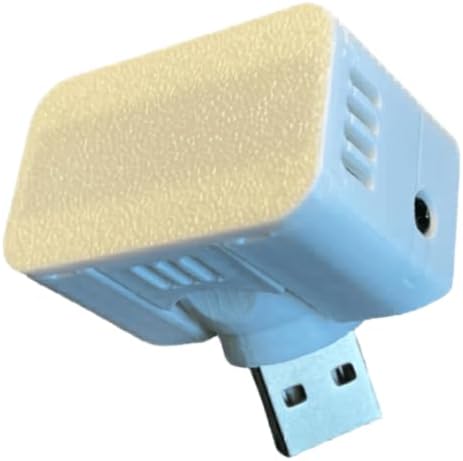
The AKAMATIS v2.2 offers an excellent balance of performance and value for Home Assistant users. It shares similar mmWave radar capabilities with higher-end models but at a more accessible price point making it ideal for budget-conscious buyers.
We may earn a commission when you buy through this link, at no additional cost to you.
Key features include the HLK-LD2410B radar module and a Seeed C3 controller with an external Wi-Fi antenna. This antenna significantly improves connectivity stability and range compared to standard internal antennas ensuring reliable data transmission to your Home Assistant instance.
Setup is straightforward as the device comes pre-flashed with ESPHome firmware. You simply connect to its hotspot enter your Wi-Fi credentials and it is ready to use. However, it does require a USB-C power source which may limit placement options compared to battery-powered alternatives.
This sensor is best suited for users who want a dedicated presence detector without spending much. It works seamlessly within the Home Assistant ecosystem providing reliable detection for automation routines while maintaining a low footprint and easy installation process.
The external Wi-Fi antenna ensures a stronger and more stable connection to your router reducing latency and preventing dropouts in larger homes or areas with interference.
Pre-configured with ready-to-use ESPHome firmware the sensor eliminates the need for complex flashing procedures allowing you to get started with smart automations in minutes.
We may earn a commission when you buy through this link, at no additional cost to you.
This Zigbee presence sensor is a versatile choice for multi-protocol smart homes. With a 4.0 rating it provides solid detection performance using 24GHz millimeter wave radar to identify stationary humans effectively reducing false negatives common with older sensors.
We may earn a commission when you buy through this link, at no additional cost to you.
The device connects via Zigbee which means it works with hubs like Echo Plus SmartThings or Hubitat alongside Home Assistant. This flexibility allows you to integrate it into broader smart home ecosystems without needing Wi-Fi bandwidth for every device.
It is powered by two AAA batteries that can last up to two years in typical usage. This wireless operation simplifies installation since you do not need to run cables or find power outlets near every room you wish to monitor for presence.
Ideal for users who already have a Zigbee ecosystem this sensor delivers consistent performance across various platforms. While it lacks additional environmental sensors its primary function of presence detection is reliable making it a practical add-on for lighting automation.
Works seamlessly with major Zigbee hubs like Echo devices SmartThings and Hubitat offering flexibility to integrate into existing smart home setups without proprietary constraints.
Powered by standard AAA batteries with up to two years of runtime it eliminates the need for frequent charging or replacement ensuring continuous operation with minimal maintenance.
We may earn a commission when you buy through this link, at no additional cost to you.
The Aqara FP300 represents a premium option for users wanting advanced features and future-proof connectivity. With support for both Zigbee and Matter over Thread it offers flexible integration paths for modern smart homes including Home Assistant.
We may earn a commission when you buy through this link, at no additional cost to you.
Its standout technology is the advanced AI engine that optimizes sensitivity to reduce false triggers. Combined with PIR and 60GHz mmWave radar it detects human presence even when you are still ensuring lights stay on during reading or lounging without unnecessary activations.
Beyond presence detection it acts as a 5-in-1 sensor measuring light temperature and humidity. This comprehensive data allows for complex automation scenarios like adjusting thermostats based on occupancy and environmental conditions. It runs on replaceable CR2450 batteries for up to three years.
This sensor is ideal for those willing to invest in high-end hardware for superior performance. While setup with Matter may require additional hardware like a Thread Border Router the convenience and robust detection make it a top choice for whole-home automation.
Continuous AI learning optimizes detection parameters to filter out non-human movements ensuring stable automation that adapts to your specific living patterns over time.
Integrated temperature humidity light and presence sensors in one compact device reduce clutter and enable sophisticated climate and lighting automation based on full environmental context.
We may earn a commission when you buy through this link, at no additional cost to you.
The SONOFF SNZB-06P24 brings advanced customization to presence detection through its 7-zone setting feature. This allows users to define specific areas like sofas or desks to trigger automations while ignoring zones like corridors or windows.
We may earn a commission when you buy through this link, at no additional cost to you.
Powered by 24GHz mmWave radar it detects subtle movements like breathing ensuring lights remain on even during stationary periods. The integrated light sensor enables context-aware rules such as activating lights only when the room is both occupied and dark.
Its self-learning calibration helps filter out repetitive interference from appliances or airflow improving stability over time. It connects via Zigbee and works with Home Assistant Alexa and SmartThings offering broad compatibility for different smart home ecosystems.
Ideal for users wanting precise control over automation zones this sensor offers excellent flexibility. While it requires a hub the detailed control it provides makes it a strong option for optimizing lighting efficiency and reducing energy waste.
Configure up to seven detection zones within a 4-meter range to focus on key areas and ignore irrelevant spaces reducing false triggers from pets or moving shadows.
The built-in calibration learns your environment to filter out repetitive interference from appliances or airflow ensuring stable performance in real home settings.
We may earn a commission when you buy through this link, at no additional cost to you.
The SONOFF SNZB-06P is a straightforward presence sensor designed for users seeking reliable basic functionality. Using 5.8GHz microwave radar it effectively detects movement and stationary persons making it suitable for rooms where people tend to remain seated.
We may earn a commission when you buy through this link, at no additional cost to you.
Its built-in light sensor ensures that lights are only activated when it is dark preventing unnecessary energy consumption during daytime hours. It operates via Zigbee 3.0 and integrates well with hubs like SONOFF ZB Bridge Pro and Echo Plus.
Local smart scene linkage allows devices to communicate and trigger automations even without an internet connection. This feature adds reliability to your smart home routines ensuring they continue to function during internet outages.
This sensor is best for those who already own a Zigbee hub and need an affordable upgrade from PIR sensors. It provides consistent detection and basic automation capabilities without unnecessary complexity or high costs.
Local smart scene linkage enables devices to trigger automations directly without needing an internet connection ensuring reliable performance even during network interruptions.
The built-in light sensor ensures automation only triggers when needed saving energy by preventing light activation during daylight hours when natural light is sufficient.
We may earn a commission when you buy through this link, at no additional cost to you.
This Zigbee sensor combines presence detection with environmental monitoring offering a compact all-in-one solution. Its 24GHz radar detects micro-movements like breathing ensuring lights stay on even when stationary while also tracking temperature and humidity.
We may earn a commission when you buy through this link, at no additional cost to you.
Designed for convenience it features a magnetic base for easy mounting on metal surfaces and includes tape for other materials. Its small 40x40x20mm footprint makes it discreet and easy to place anywhere in a room.
The device connects via Zigbee for low latency performance ensuring responsive automations in Home Assistant. It runs on a CR2450 battery for continuous wireless monitoring without the need for frequent recharging or cables.
Best for users wanting a single device to monitor both occupancy and air quality this sensor provides versatile data. While its battery life is shorter than AAA models its compact size and additional sensor data make it a valuable tool for comprehensive automation.
High-precision temperature humidity and light sensors provide comprehensive environmental data enabling automation that responds to both occupancy and air quality changes.
Measuring just 40x40x20mm with a magnetic base this sensor fits anywhere discreetly ensuring it does not intrude on room aesthetics while providing reliable data.
We may earn a commission when you buy through this link, at no additional cost to you.
The Akamatis v1.3 is a dedicated Home Assistant solution offering direct Wi-Fi connectivity without hubs. With a 4.9-star rating it reflects high user satisfaction regarding its reliability and ease of integration into local smart home setups.
We may earn a commission when you buy through this link, at no additional cost to you.
It utilizes the HLK-LD2410B radar module to detect both moving and stationary objects up to 20 feet. The device comes pre-flashed with ESPHome allowing you to connect via Wi-Fi credentials without any manual flashing or complex configuration steps.
Powered via a USB-A connector with a two-axis joint it can be positioned flexibly on tables or mounts. While it lacks battery operation the consistent power supply ensures uninterrupted performance without battery replacement interruptions.
This sensor is perfect for users who prioritize local control and Home Assistant compatibility. Its straightforward setup and reliable radar detection make it a strong choice for automating lights or devices based on precise presence data.
Pre-flashed with ready-to-use ESPHome firmware the sensor allows for instant connection via Wi-Fi credentials simplifying setup for Home Assistant users.
Using mmWave technology it detects both motion and stationary objects ensuring lights remain on even when you are sitting still or relaxing.
We may earn a commission when you buy through this link, at no additional cost to you.
The WenzhiIoT Presence Sensor offers extensive customization for users comfortable with Zigbee2MQTT or Tuya ecosystems. It uses 5.8GHz radar to detect static states like sleeping accurately and includes luminance monitoring for smart scene linkages.
We may earn a commission when you buy through this link, at no additional cost to you.
Its adjustable sensitivity settings ranging from 1 to 9 allow fine-tuning to match specific needs. Delay times for unmanned state and detection can be configured to avoid irrelevant movement and reduce false alarm rates effectively.
A standout feature is the ability to set data reporting intervals in Zigbee2MQTT reducing network noise while maintaining real-time synchronization on presence changes. This helps optimize your Zigbee network efficiency for larger smart home installations.
Ideal for tech-savvy users who want detailed control over sensor behavior this device delivers flexible automation. While it requires a specific hub the granular settings and compatibility make it a valuable option for optimized smart home performance.
The feature allowing adjustable data reporting intervals in Zigbee2MQTT reduces network traffic while maintaining real-time synchronization when presence states change.
Adjustable sensitivity from 1 to 9 and configurable delay times allow you to tailor detection precisely to your environment reducing false alarms and enhancing automation reliability.
We may earn a commission when you buy through this link, at no additional cost to you.
The meross MS600 is a versatile sensor designed for Matter integration offering local control capabilities without cloud dependencies for many features. It combines radar PIR and light sensing to accurately detect presence and changes in a space.
We may earn a commission when you buy through this link, at no additional cost to you.
Its adjustable base pivots 180 degrees and rotates 360 degrees allowing flexible positioning for optimal coverage up to 6 meters. The included pet-proof shield prevents false triggers from pets or robot vacuums enhancing reliability in households with animals.
While it requires continuous power it does not need a hub for HomeKit Alexa or Google Home integration. However a hub is required for Matter compatibility making it a flexible choice for multi-platform smart homes seeking standardized connectivity.
Best for users investing in Matter-compatible ecosystems this sensor offers stable low-latency control. Its comprehensive detection method and adjustable design make it a robust addition for managing lighting and climate in modern smart homes.
Integrates seamlessly with HomeKit Alexa Google Home and Home Assistant through Matter providing enhanced stability lower latency and better privacy compared to traditional methods.
The adjustable base pivots 180 degrees and rotates 360 degrees allowing flexible positioning for optimal coverage and detection in various room layouts.
We may earn a commission when you buy through this link, at no additional cost to you.
Selecting the right presence sensor involves considering connectivity options detection accuracy and additional features. This guide outlines the most important factors to evaluate for your specific needs.
The most critical factor is the sensor technology used. Traditional PIR sensors only detect motion causing lights to turn off when you sit still. Modern mmWave radar sensors detect micro-movements like breathing ensuring continuous presence detection even when stationary.
Look for sensors explicitly mentioning mmWave radar or similar advanced radar technologies. These provide reliable performance for rooms like bedrooms or living rooms where people spend time sitting or lying down.
Choose between Wi-Fi Zigbee or Matter over Thread based on your existing smart home infrastructure. Wi-Fi sensors connect directly but may add network load. Zigbee sensors require a hub but save bandwidth and support longer range.
Consider Matter over Thread for future-proofing as it offers standardized local control and lower latency. Ensure your Home Assistant setup supports the protocol you choose for seamless integration and automation.
Some sensors include integrated light temperature or humidity sensors which add versatility to automations. Ambient light detection allows lights to turn on only when it is dark saving energy. Environmental sensors enable climate control automations.
Decide if you need these extra features or prefer a dedicated presence sensor. Additional sensors can reduce device clutter but may increase costs. Evaluate which data points are relevant for your specific automation goals.
Sensors are either battery-powered or require a wired power connection. Battery models offer flexible placement without outlet dependency but require periodic replacement or charging. Wired models provide uninterrupted operation but limit placement options.
Consider where you plan to install the sensor. If outlets are available wired options reduce maintenance. For hard-to-reach areas battery-powered models offer convenience despite the need for eventual battery changes.
Verify that the sensor supports Home Assistant and any other platforms you use such as Alexa or SmartThings. Some devices require specific hubs or controllers to function fully within your ecosystem.
Check for any proprietary hubs needed like Zigbee bridges or Thread border routers. Ensuring compatibility prevents purchasing incompatible devices and simplifies the setup process within your Home Assistant instance.
Ease of setup and calibration varies between models. Some sensors come pre-configured with ESPHome allowing quick Wi-Fi setup. Others may require manual flashing or complex configuration steps before becoming usable.
Look for devices that offer intuitive setup processes or pre-loaded firmware to save time. Advanced features like zone configuration should be easy to adjust without requiring technical expertise.
Check the maximum detection range to ensure it covers the intended space. Most sensors offer up to 20 feet which is suitable for standard rooms. Consider the field of view to avoid blind spots.
For larger rooms or multi-zone detection ensure the sensor supports sufficient range or multiple zones. Adjustability of the mounting angle also affects effective coverage and installation flexibility.
Assess the physical build and aesthetic design to ensure it fits your home decor. Compact and discreet sensors are less obtrusive on walls. Weather resistance may be needed for certain placements like bathrooms.
Consider mounting options such as magnetic bases or adjustable brackets. Good build quality ensures longevity and reliability especially in high-traffic areas where accidental bumps might occur.
Install the sensor in a central location facing the main activity area of the room. Avoid direct sunlight or heat sources that might interfere with detection accuracy or sensor reliability.
Configure automations in Home Assistant to trigger actions based on presence states. Set appropriate delays to prevent lights from flickering during brief movements like walking through a hallway.
Keep the sensor lens clean and free from dust or obstructions. If the device has a battery replace it promptly when low to prevent missed detection events that could disrupt your smart home routine.
Not all sensors require a hub. Wi-Fi models connect directly to your router while Zigbee sensors need a compatible hub or gateway. Matter over Thread sensors may require a border router depending on your setup configuration.
mmWave radar detects micro-movements like breathing allowing it to recognize stationary humans. Traditional PIR sensors only detect motion so they fail when you are sitting still leading to lights turning off unexpectedly.
Advanced mmWave sensors can filter out small pets by adjusting sensitivity levels. Some models include pet-proof shields or specific settings to ignore small animal movements while focusing on human presence detection.
Battery life varies by usage but typically ranges from six months to two years. Sensors using AAA batteries tend to last longer than those using CR2450 batteries due to higher capacity and power requirements.
Basic familiarity with Home Assistant is recommended for seamless integration. Pre-flashed ESPHome devices simplify setup but you should know how to connect to Wi-Fi and create basic automations within Home Assistant.
Most presence sensors have a detection range of up to 20 feet or 6 meters. Some models offer configurable detection zones to customize the coverage area and reduce false activations in specific areas.
Choosing the right presence sensor depends on your connectivity preferences and smart home ecosystem. The Akamatis Litos v3 stands out for its integrated light sensing and direct ESPHome integration making it ideal for Home Assistant users.
For broader compatibility consider Zigbee or Matter over Thread options like the Aqara FP300 which offer flexible hubs and future-proof connectivity. Evaluate your need for additional environmental sensors versus dedicated presence detection based on automation goals.
Always verify current availability and compatibility before purchasing since smart home hardware evolves rapidly. These selections provide reliable performance to automate your home lighting and climate efficiently.