
NIMO 15.6 AI Creator Laptop
5.0Editor score
Ryzen 5 6600H Processor
16GB DDR5 Memory
Radeon 660M Graphics
100W Fast Charging
Choosing the right laptop for Lightroom requires balancing screen accuracy with raw processing power to ensure smooth editing workflows and precise color management for your photos.
We analyzed ten distinct models ranging from ultra-portable designs to powerful desktop replacements, evaluating their processors, RAM, storage speeds, and display characteristics for photo editing tasks.
Each selection highlights specific strengths for different user needs while noting that real-world performance varies with workload and that current market pricing may fluctuate over time.
5.0Editor score
4.8Editor score

4.3Editor score
As an Amazon Associate we earn from qualifying purchases.
The following table presents a side-by-side comparison of all ten selected laptops, highlighting key specifications that directly impact your ability to run Lightroom efficiently and accurately.




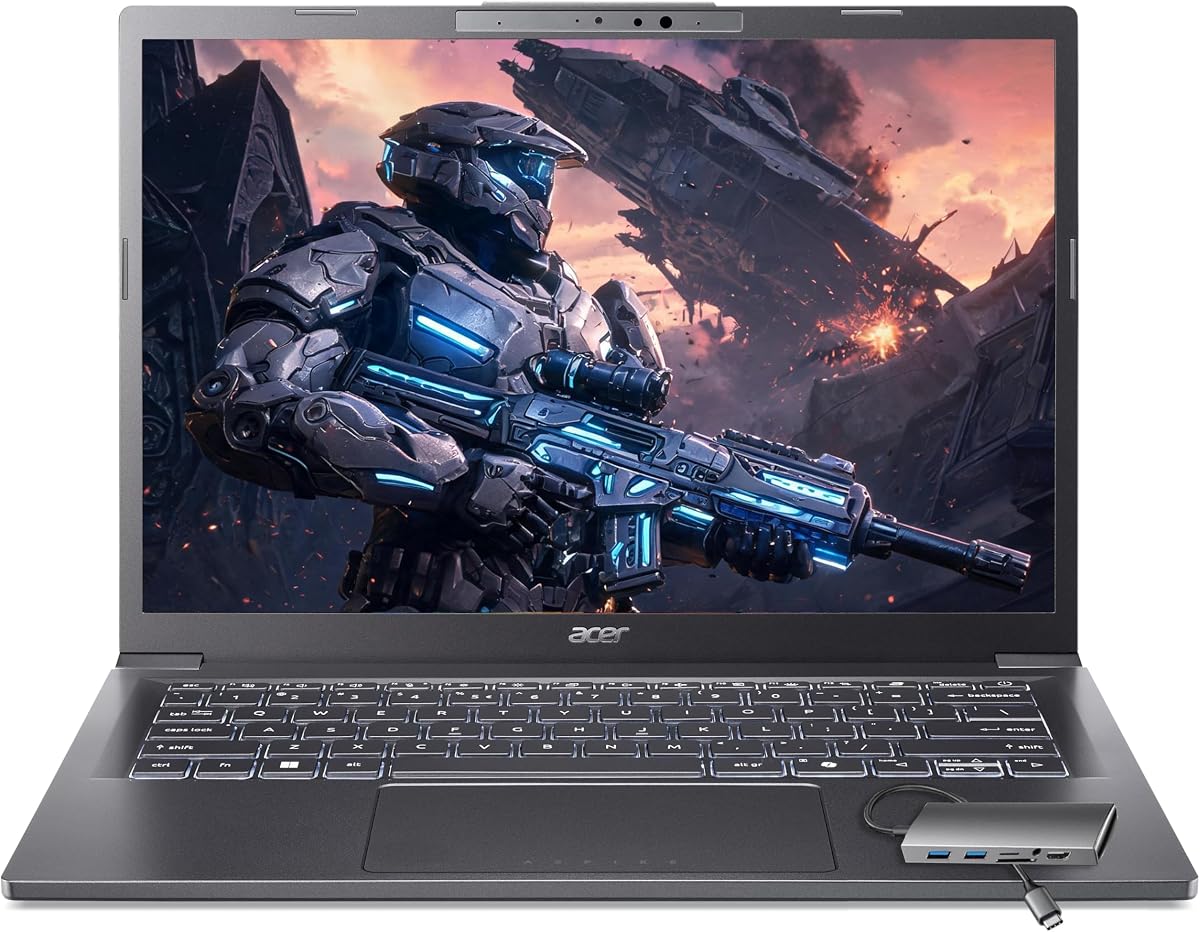
The Acer Aspire Laptop 2026 stands out as a top contender for photographers who need substantial storage and speed without compromising on portability. With a rating of 4.8 stars, it delivers exceptional performance for multitasking and heavy editing sessions.
We may earn a commission when you buy through this link, at no additional cost to you.
Its Intel Ultra 7 258V processor includes a dedicated NPU that accelerates AI features locally, ensuring privacy and speed. The 32GB of LPDDR5X RAM keeps Lightroom responsive even with hundreds of high-resolution images open alongside browser tabs and other creative tools.
While the touchscreen is a fantastic addition for precise retouching, it may draw more power during intensive sessions. However, the battery life remains robust enough for a full day of work away from an outlet for most users.
If you require a laptop that balances desktop-class storage with mobile flexibility, this model is an ideal choice for professionals who value both performance and ease of use.
The dedicated NPU handles AI photo editing and task automation locally, ensuring privacy and faster processing without relying on cloud connections.
With 2TB of PCIe SSD storage, you can store extensive RAW photo libraries directly on the device, reducing the need for external hard drives.
We may earn a commission when you buy through this link, at no additional cost to you.
The HP OmniBook 7 offers a visual experience that is hard to beat with its 16-inch OLED touchscreen. Its 100% DCI-P3 color coverage ensures that your photo edits look accurate and vibrant across all media.
We may earn a commission when you buy through this link, at no additional cost to you.
Powered by the Intel Core 9 270H processor, this laptop handles heavy Lightroom catalogs with ease. The 32GB of DDR5 RAM ensures smooth performance when exporting large batches of images or working with complex presets.
The 120Hz refresh rate provides fluid scrolling and editing interactions, though users should be mindful of potential burn-in risks if static toolbars remain visible for too long. Overall, it is a powerful machine for serious creators.
If color accuracy and display quality are your top priorities, this HP model provides a premium workspace that elevates the editing process significantly.
The OLED panel delivers perfect blacks and vibrant colors with 100% DCI-P3 coverage, essential for precise color grading in Lightroom.
The Core 9 processor combined with 32GB DDR5 RAM handles multi-threaded tasks efficiently, reducing wait times during image export.
We may earn a commission when you buy through this link, at no additional cost to you.
For entry-level editors or students, this NIMO laptop offers impressive value with a perfect 5.0 user rating. It handles standard Lightroom tasks smoothly thanks to its efficient AMD Ryzen processor and dedicated GPU architecture.
We may earn a commission when you buy through this link, at no additional cost to you.
The Radeon 660M graphics ensure that basic photo editing remains fluid even with integrated graphics. Combined with DDR5 memory, the system boots quickly and manages moderate catalogs without significant lag or stuttering.
While 16GB of RAM is sufficient for most hobbyists, professionals managing thousands of images might find it limiting over time. However, the system supports upgrades which adds long-term value to this investment.
If you need a reliable machine for daily editing without breaking the bank, this model delivers a balanced experience that meets the needs of emerging photographers.
The Radeon 660M integrated graphics support smooth media playback and light photo editing without requiring a power-hungry discrete GPU.
Dual slots allow for future RAM expansion to 64GB and SSD upgrades up to 4TB as your storage needs grow.
We may earn a commission when you buy through this link, at no additional cost to you.
The Dell 16 Plus is engineered for reliability, featuring rugged build quality that withstands the rigors of daily travel. Its QHD+ screen provides ample vertical space for editing tools and image previews simultaneously.
We may earn a commission when you buy through this link, at no additional cost to you.
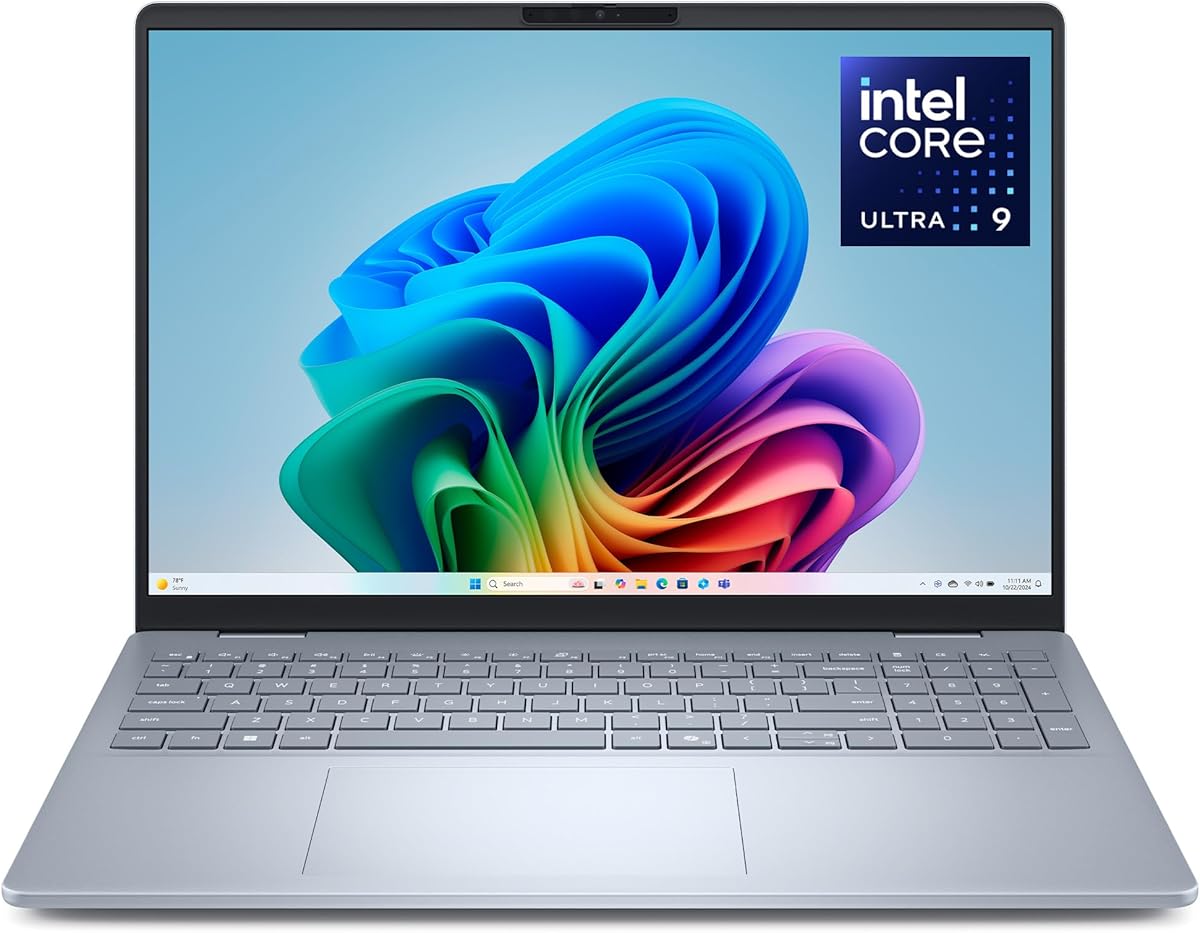
Built on the latest Intel Core Ultra architecture, it delivers efficient power usage while maintaining strong performance for Lightroom operations. The 32GB RAM ensures you can run multiple applications without slowing down.
The included onsite service is a major advantage for professionals who cannot afford downtime. However, physical service might be restricted in certain areas compared to general support options.
If durability and after-sales support are critical for your workflow, this laptop provides a secure and capable platform for your editing needs.
Rigorous military-grade testing ensures the laptop can handle daily use and travel without compromising internal components.
Advanced compute engines deliver the newest AI experiences for faster task automation and creative tools within the ecosystem.
We may earn a commission when you buy through this link, at no additional cost to you.
This model offers a massive viewing area that is perfect for side-by-side image comparisons in Lightroom. The 32GB of DDR5 memory ensures smooth performance even with heavy workloads.
We may earn a commission when you buy through this link, at no additional cost to you.
The Ryzen 7 processor provides robust computing power for both editing and rendering tasks. With read speeds up to 7000MB/s, importing and exporting batches of photos is significantly faster than on standard drives.
While the FHD resolution is less sharp than QHD options, the sheer screen real estate makes up for it in terms of workflow efficiency. It remains relatively portable considering its size.
If you need a large workspace without moving to a desktop setup, this laptop is an excellent compromise between screen size and mobility.
The 17.3-inch display offers 30% more screen space than standard laptops, allowing for better multitasking and editing layouts.
Dedicated USB4 ports support high-speed data transfer and external displays without the need for dongles or adapters.
We may earn a commission when you buy through this link, at no additional cost to you.
The LG gram is famous for its portability without sacrificing screen size. The 17-inch WQXGA display provides plenty of clarity for checking image details in Lightroom.
We may earn a commission when you buy through this link, at no additional cost to you.
With 99% DCI-P3 coverage, the colors are accurate enough for professional editing tasks. The lightweight chassis makes it easy to carry to client meetings or travel to photoshoots.
Performance is decent for general work but integrated graphics may struggle with complex effects or very large catalogs. It is best suited for users who prioritize mobility over raw rendering speed.
If you need a large screen for travel and editing without the weight of a traditional laptop, this remains a solid choice for many photographers.
The laptop maintains a featherweight design while delivering enough processing power for standard editing workflows and multitasking.
The IPS display covers 99% of the DCI-P3 gamut ensuring that your images look consistent and professional across different media.
We may earn a commission when you buy through this link, at no additional cost to you.
This NIMO laptop is designed for productivity with a focus on high memory capacity for multitasking. The 32GB of LPDDR5 RAM ensures that Lightroom remains responsive during complex editing sessions.
We may earn a commission when you buy through this link, at no additional cost to you.
The Radeon 680M graphics offer better performance than standard integrated solutions, allowing for smoother previews and rendering. With 100W fast charging, you can quickly replenish power during short breaks.
While the design is business-oriented, the build quality and support infrastructure are excellent. It lacks a touchscreen which some editors might prefer for retouching.
If you value stability and strong performance in a professional package this model is a reliable choice for remote workers and creators.
The 32GB LPDDR5 memory bandwidth handles AI tools and local LLMs efficiently for a seamless workflow.
100W PD charging gets the battery back to full strength quickly reducing downtime between work sessions.
We may earn a commission when you buy through this link, at no additional cost to you.
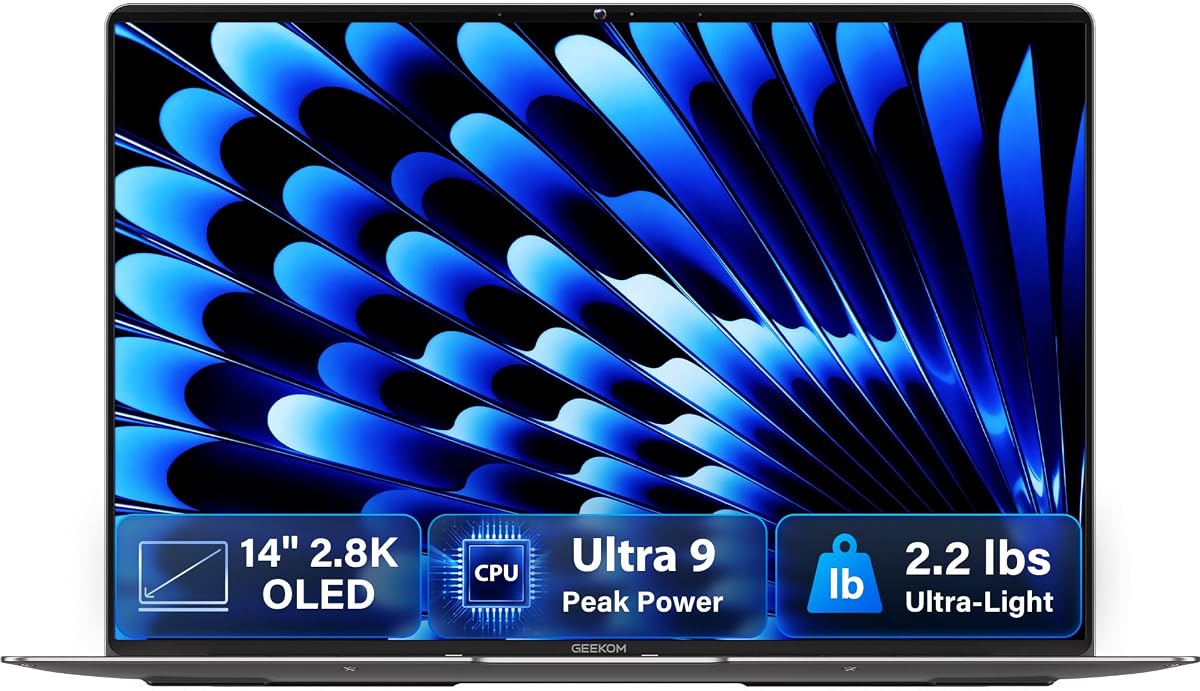
Weighing just 2.2 pounds this laptop is a marvel of engineering for travelers who need high-end specs. The 2.8K OLED display ensures that your photos look detailed and vibrant.
We may earn a commission when you buy through this link, at no additional cost to you.
The Core Ultra 9 processor supports advanced AI tasks and handles Lightroom efficiently. Combined with 32GB of LPDDR5x RAM you get desktop-class performance in a slim package.
While the screen size is smaller than most editors prefer the clarity is exceptional. It is ideal for those who travel frequently and cannot carry a bulkier workstation.
If mobility is your primary concern and you want a premium display this model delivers impressive power in a very compact form.
At just 2.2 lbs and 0.23 inches thin this laptop slips easily into any bag without weighing you down.
The 72Wh battery supports up to 16 hours of use allowing you to work through meetings and editing sessions without charging.
We may earn a commission when you buy through this link, at no additional cost to you.
This NIMO model provides a wide viewing experience with a 17.3-inch display that fits many editing windows comfortably. The 16GB RAM handles typical workloads well for students and hobbyists.
We may earn a commission when you buy through this link, at no additional cost to you.
The AMD Ryzen 5 processor offers solid performance for its price point. With a flexible hinge and backlit keyboard it remains versatile for various working environments.
While it may struggle with extremely large catalogs compared to higher-end models it is an affordable way to get a big screen for editing. Storage can be upgraded easily if needed.
If you need a large display on a budget this laptop offers a balanced solution for learning and casual professional use.
The 17.3-inch display provides a wider comfortable viewing space that reduces constant window switching during review sessions.
The 175-degree flexible hinge and lightweight chassis make it easier to carry and share with clients.
We may earn a commission when you buy through this link, at no additional cost to you.
This HP laptop is designed for general business needs but handles Lightroom well enough for moderate use. The 17.3-inch display provides ample room for viewing images.
We may earn a commission when you buy through this link, at no additional cost to you.
The anti-glare finish helps reduce eye strain during long editing sessions. With a numeric keypad it is also convenient for data entry tasks alongside creative work.
While the resolution is standard for business laptops it remains sharp enough for basic color correction. The battery life supports extended work away from a desk.
If you need a practical laptop that balances budget business tasks with light creative work this model is a solid option for daily use.
The anti-glare display helps reduce eye strain during long sessions and the numeric keypad aids in data entry.
Preloaded with Office 365 and Windows 11 it offers a secure and easy-to-manage work experience for all users.
We may earn a commission when you buy through this link, at no additional cost to you.
Selecting the right laptop for Lightroom involves evaluating several critical factors that directly influence your editing speed and image quality.
The display is the most important component for photo editing as it determines how accurately you see colors and details. Look for screens with high resolutions like QHD or OLED panels that offer wide color gamuts such as 100% DCI-P3 to ensure your edits translate correctly to prints and other devices.
A high-quality screen prevents color mismatches and reduces eye strain during long editing sessions.
Modern photo editing tasks benefit greatly from multi-core processors and powerful graphics units. While dedicated GPUs are ideal for heavy lifting, modern integrated graphics and AI accelerators are becoming powerful enough to handle standard editing workflows efficiently without overheating.
A robust processor ensures faster export times and smoother scrubbing through large photo galleries.
Lightroom relies heavily on system memory to manage large catalogs and multiple open applications. Aim for at least 16GB of RAM for comfortable editing but consider 32GB if you frequently work with thousands of images or keep many browser tabs open alongside your software.
Sufficient RAM prevents lag and ensures your system remains responsive even under heavy loads.
Fast storage reduces the time it takes to import photos and apply changes. Solid State Drives (SSDs) are essential for this purpose with NVMe PCIe 4.0 drives offering the best speeds for creative work.
Storage capacity should also be considered as photo files consume significant space so a 1TB drive is recommended to avoid constant external drive switching.
If you edit on the go or travel to shoots a lightweight laptop with long battery life is crucial. Balance the need for performance with the physical weight of the device so it fits easily in your bag without adding excessive bulk to your travel kit.
Long battery life ensures you can edit for hours without hunting for an outlet in remote locations.
Access to USB-C and Thunderbolt ports is necessary for connecting external hard drives and high-resolution monitors. A variety of ports reduces the need for dongles which can be inconvenient in crowded workspaces.
A good selection of ports keeps your setup clean and allows for versatile connections to your camera and peripherals.
To maintain optimal performance ensure your laptop is used on a hard flat surface to prevent overheating. Avoid using soft surfaces like beds or couches which can block ventilation vents and cause thermal throttling during long editing sessions.
Regularly update your graphics drivers and operating system to ensure compatibility with the latest Lightroom features and security patches. Keeping software up to date helps prevent crashes and improves overall system efficiency.
Clean your screen gently with a microfiber cloth to remove fingerprints and dust that can affect color accuracy. Avoid using harsh chemicals directly on the screen as they may damage the delicate anti-glare coatings found on many displays.
While a dedicated graphics card can improve performance for complex effects and large catalogs, modern integrated graphics are often sufficient for most users. For standard editing tasks integrated solutions provide a balance of power and efficiency that keeps laptops cooler and quieter.
Color accuracy ensures that the adjustments you make on your screen translate correctly to prints and other digital displays. If your screen displays colors incorrectly you might undercorrect or overcorrect images which leads to unexpected results when clients see the final work.
16GB is sufficient for hobbyists and users with moderate catalog sizes. However professionals managing thousands of RAW files will benefit significantly from 32GB which allows for smoother performance and multitasking.
Look for processors with multiple cores and high clock speeds such as Intel Core Ultra or AMD Ryzen 7 and 9 series. These CPUs handle multi-threaded tasks like exporting and rendering efficiently.
A touchscreen can be helpful for intuitive tasks like cropping and basic retouching. However it is not a strict requirement and depends on personal preference and workflow style.
Many laptops allow for RAM and storage upgrades but some thin models have soldered components. Check the specific model specifications to see if upgrades are possible to extend the lifespan of your device.
These top picks offer a range of solutions from ultra-compact travel units to powerful desktop replacements. Whether you prioritize color accuracy speed or portability there is a model here that fits your specific creative needs.
Prioritize screen quality and memory capacity as these are the most direct factors influencing your editing experience. Balancing these with a suitable processor ensures that your system remains responsive as your work grows more complex.
Always check current pricing and availability before making your final decision to ensure you are getting the best value for your budget at this time.