
Zopsc 2 Pack DO Dissolved Oxygen Tester for Smartphones
4.0Editor score
Wireless smartphone connectivity
Floating sealed design
Five-day battery life
This guide compares the top 10 dissolved oxygen sensors 2 for water quality monitoring across aquaculture, labs, and IoT projects with detailed specs.
Choosing the right dissolved oxygen sensor is critical for maintaining water quality in aquaculture, laboratories, and environmental monitoring. Reliable sensors ensure accurate measurements that protect aquatic life and support research integrity.
We evaluated ten leading models based on accuracy, durability, ease of calibration, and compatibility with various systems. Our analysis covers galvanic, polarographic, and optical technologies to help you find the best fit.
Each pick highlights key features, pros, cons, and ideal use cases. Remember that prices fluctuate frequently so verify current costs before purchasing to ensure you get the best value for your needs.
4.0Editor score

4.8Editor score

4.5Editor score
The following table provides a side-by-side overview of all ten products analyzed in this guide. Compare key specifications and features to determine which sensor aligns best with your specific application requirements.
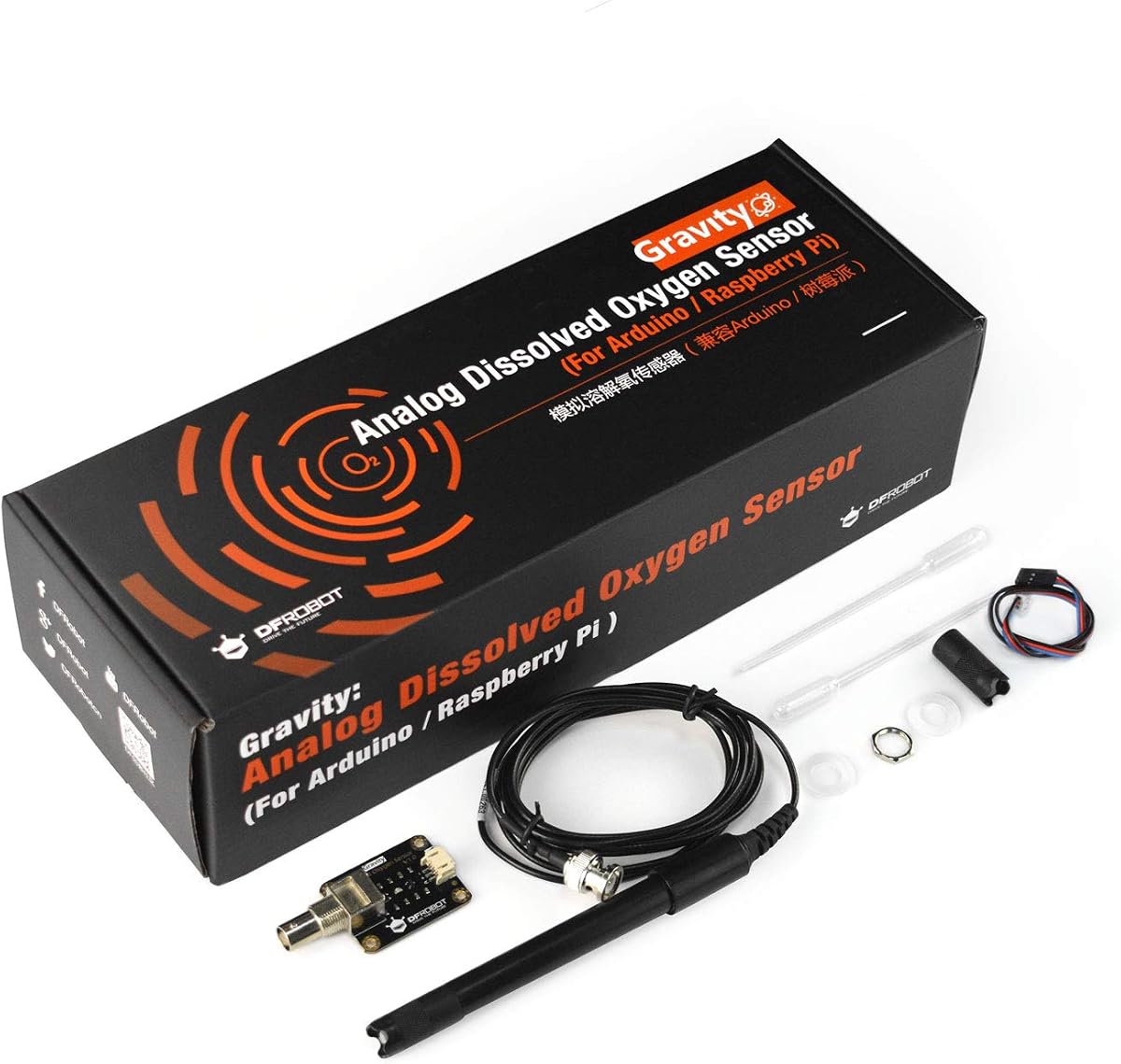

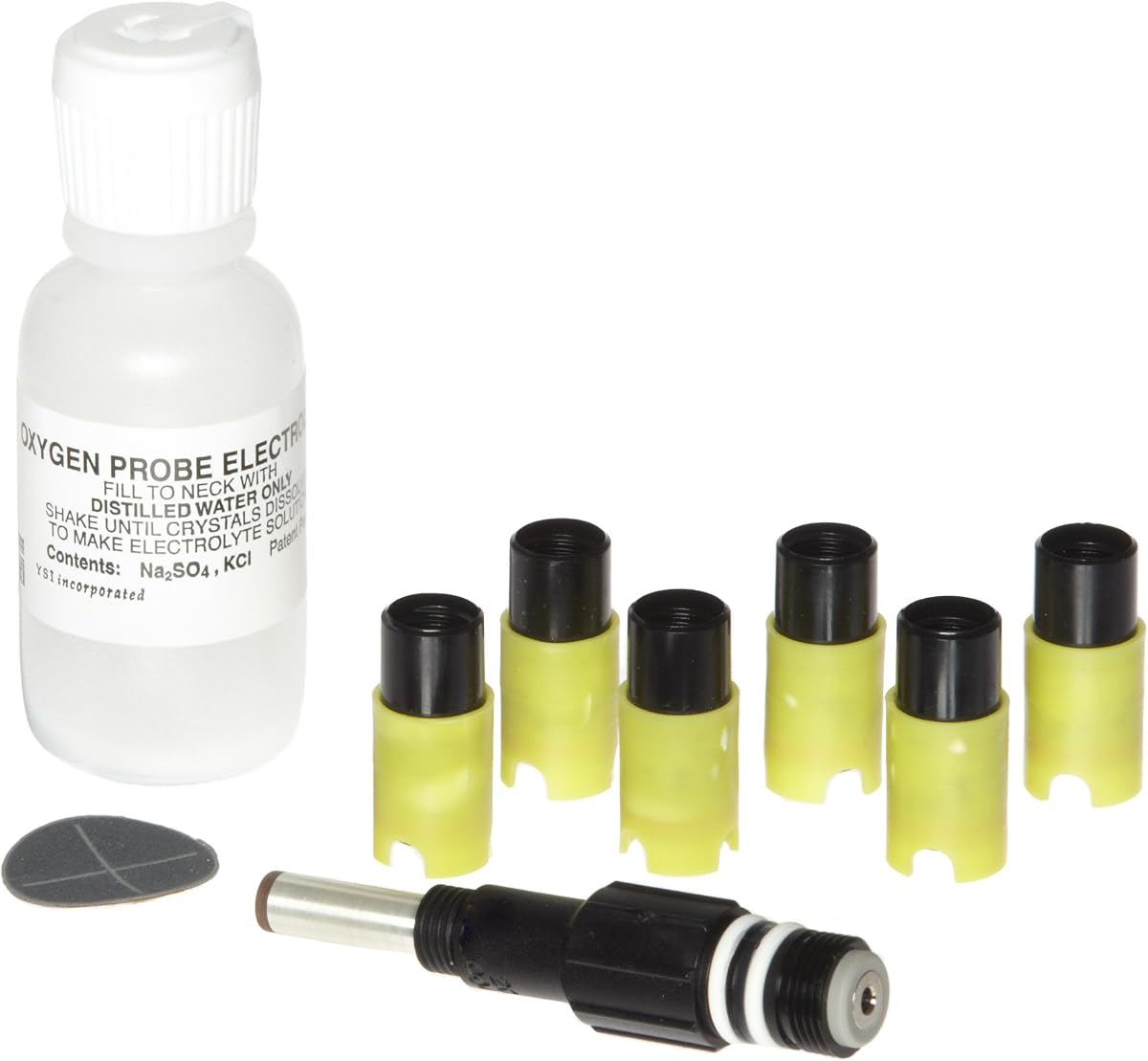


The Gravity Analog Dissolved Oxygen Sensor Kit stands out as an excellent choice for hobbyists and professionals building IoT water quality systems. With a rating of 4.4 stars, it offers galvanic probe technology that eliminates the need for polarization time, allowing for instant measurements whenever needed.
We may earn a commission when you buy through this link, at no additional cost to you.
Its hardware filtering ensures stable analog signals without complex software processing, making it ideal for Arduino ESP32 and Raspberry Pi projects. The detection range of 0 to 20 milligrams per liter covers most common aquaculture and environmental monitoring needs effectively.
While the package does not include the required sodium hydroxide filling solution due to shipping restrictions, this is a minor hurdle given its ease of preparation. The spare membrane cap included helps extend the sensor life and reduces long-term maintenance costs significantly.
If you are developing smart water monitoring systems or need a reliable sensor for hydroponics labs the kit provides exceptional value. Its quick calibration process and comprehensive tutorials ensure you can deploy it rapidly without extensive engineering knowledge.
The galvanic probe design means you do not need to wait for pre-heating, making it perfect for battery-powered IoT devices that wake up periodically.
Support for 3.3 to 5 volt ranges and the standard Gravity 3-pin interface simplifies wiring connections to popular microcontrollers without soldering.
We may earn a commission when you buy through this link, at no additional cost to you.
The LDO Dissolved Oxygen Sensor is engineered for environments where consistent accuracy and durability are non-negotiable. It delivers reliable results that ensure dependable water analysis for industrial laboratory and environmental applications with minimal maintenance requirements.
We may earn a commission when you buy through this link, at no additional cost to you.
Its user-friendly design reduces setup time and maintenance costs while maintaining high performance standards. The materials used are built for long-term reliability which is crucial for continuous monitoring in harsh or demanding conditions.
Although detailed technical specifications like measurement range are not explicitly highlighted in the basic description the focus on efficiency and stability suggests it is designed for professional heavy-duty use cases where uptime matters most.
For facilities requiring robust sensors that can handle continuous operation without frequent recalibration this model offers a solid investment. Its versatile nature makes it suitable for a wide array of water quality monitoring scenarios.
Built with materials designed to withstand rigorous conditions the sensor ensures long-term reliability reducing the need for frequent replacements.
Quick and stable performance allows for efficient water analysis saving time and resources in industrial and laboratory workflows.
We may earn a commission when you buy through this link, at no additional cost to you.
The YSI 605203 Pro Series Polarographic Dissolved Oxygen Sensor is a trusted choice for laboratory environments requiring precise measurements. With a rating of 4.6 stars it exemplifies the quality expected from professional-grade water quality testing equipment.
We may earn a commission when you buy through this link, at no additional cost to you.
Polarographic sensors are known for their accuracy and stability making them ideal for research and controlled testing scenarios. The compact package dimensions suggest ease of storage and transport which is beneficial for mobile lab setups.
While the product description is brief the reputation of YSI as a leader in environmental monitoring ensures users receive a reliable component. It integrates well with existing lab systems that support polarographic sensor interfaces.
Researchers and lab technicians who need dependable polarographic technology will find this sensor meets their standards. It provides the consistency necessary for valid experimental results and routine water quality checks.
Polarographic sensors offer high precision and stability which are essential for accurate laboratory analysis and research data collection.
Small package dimensions make it easy to store and transport for field labs or facilities with limited workspace.
We may earn a commission when you buy through this link, at no additional cost to you.
This Dissolved Oxygen Meter is designed for aquarists and fish tank owners who need detailed multi-parameter testing. With a 4.0 rating it offers features like automatic temperature compensation and salinity correction to ensure accurate readings across varying water conditions.
We may earn a commission when you buy through this link, at no additional cost to you.
The large LCD display shows dissolved oxygen percentage ppm and temperature clearly while the 99-data memory function allows you to track changes over time. A 11.48 foot cable provides flexibility for testing deep tanks or hard-to-reach areas.
Although it requires manual salinity adjustment which might be less convenient than auto-salinity models the overall feature set remains robust. The included carrying case and spare membranes make it a complete kit ready for immediate use.
If you manage multiple aquariums or require detailed environmental data for aquaculture this meter offers excellent versatility. Its ability to measure barometric pressure adds another layer of precision for serious hobbyists.
Measuring dissolved oxygen temperature salinity and barometric pressure allows for a comprehensive view of water quality in complex environments.
The 99-data memory and hold function help you record readings for later analysis without losing valuable information during testing.
We may earn a commission when you buy through this link, at no additional cost to you.
The YSI 605202 Pro Series Galvanic Dissolved Oxygen Sensor earns our Editor's Choice badge due to its exceptional ease of use and reliability. With a top rating of 4.8 stars it is designed for professionals who need minimal downtime and maximum efficiency.
We may earn a commission when you buy through this link, at no additional cost to you.
Its standout feature is the easy user-replaceable sensor that requires no tools. The convenient screw-on cap membranes make routine maintenance simple and the package includes six membrane caps and a bottle of solution to get you started.
While it is designed to work with specific YSI meters which may limit compatibility for some users the quality of measurement and durability justify the investment. The galvanic design ensures stable readings without complex calibration steps.
For aquaculture facilities and labs prioritizing uptime and ease of maintenance this sensor is unmatched. Its design reduces the time and effort required for routine checks allowing you to focus on critical tasks.
Tool-free sensor replacement and screw-on cap membranes minimize downtime and make routine upkeep accessible even for non-technical staff.
The inclusion of multiple membrane caps and solution bottle ensures you can begin testing immediately without additional purchases.
We may earn a commission when you buy through this link, at no additional cost to you.
The Zopsc 2 Pack DO Dissolved Oxygen Tester is a budget-friendly choice for those who want modern smartphone integration. It pairs wirelessly with mobile devices within a 10-meter range enabling real-time monitoring without cumbersome cables.
We may earn a commission when you buy through this link, at no additional cost to you.
Its weather-shielded floating design ensures the device stays on the water surface protecting internal circuits from accidental submersion. The dedicated app supports eight languages making it accessible for international users in various regions.
While it may not match the precision of high-end lab equipment it is perfect for field research aquariums and hydroponics. The built-in 500mAh battery lasts up to five days ensuring you can monitor for extended sessions without recharging.
For educators and hobbyists who need convenient and affordable water testing the Zopsc tester delivers excellent value. The ability to export data via email simplifies reporting and trend tracking significantly.
Wireless connectivity allows you to view and analyze water quality metrics directly on your smartphone or tablet for efficient on-site testing.
The fully sealed ABS housing and floating capability ensure reliable performance even in wet environments without risk of damage.
We may earn a commission when you buy through this link, at no additional cost to you.
The YSI DO200 Kit EcoSense DO 200 Dissolved Oxygen Meter Kit is a reliable portable solution for fieldwork. With a rating of 4.5 stars it offers automatic temperature compensation and easy-to-replace screw-on cap membranes for consistent accuracy.
We may earn a commission when you buy through this link, at no additional cost to you.
Its 0.01 ppm resolution ensures detailed readings while the two percent accuracy rating provides confidence in measurements. The kit includes a 9-volt battery making it ready to use upon arrival without needing additional accessories.
While manual input for salinity and barometric pressure compensation adds a step to the process it allows for precise adjustments based on environmental conditions. The portable design makes it ideal for environmental consultants and researchers.
If you need a rugged meter that balances precision and portability this kit serves well. It simplifies maintenance with replaceable membranes ensuring long-term usability for frequent field testing.
With a resolution of 0.01 ppm and automatic temperature compensation you can trust the readings even when working in changing environmental conditions.
Screw-on cap membranes allow for easy replacement without tools extending the life of the sensor and keeping maintenance costs low.
We may earn a commission when you buy through this link, at no additional cost to you.
The YSI 6900 ProDSS ODO Optical Dissolved Oxygen Sensor represents the pinnacle of optical sensing technology. It uses luminescence to measure dissolved oxygen eliminating the need for membranes and electrolytes found in traditional sensors.
We may earn a commission when you buy through this link, at no additional cost to you.
Designed for the ProDSS system it delivers high precision and stability with minimal drift over time. This makes it perfect for long-term monitoring applications where reliability is critical and maintenance must be minimized.
While it requires a compatible ProDSS system which adds to the overall cost the performance benefits are substantial. The optical method ensures accurate readings even in challenging water conditions with less frequent calibration.
For professional environmental monitoring and industrial facilities requiring top-tier accuracy this sensor is an ideal choice. Its durability and performance justify the investment for critical water quality analysis.
Optical technology provides superior stability and low drift ensuring accurate measurements without frequent recalibration or membrane changes.
Designed specifically for the ProDSS system this sensor delivers maximum performance and ease of use within professional multi-parameter platforms.
We may earn a commission when you buy through this link, at no additional cost to you.
The DAN&DRE Portable Dissolved Oxygen Meter features convenient 0 and 100 percent automatic calibration buttons ensuring quick and accurate setup. It offers intelligent temperature compensation and a modular design that allows you to replace the electrode easily.
We may earn a commission when you buy through this link, at no additional cost to you.
With a response time of less than 15 seconds it provides real-time data for aquaculture and aquarium environments. The resolution of 0.1 percent and 0.01 mg/L is sufficient for most routine water quality management tasks.
Its modular design extends the device life by allowing you to swap out just the electrode instead of replacing the whole unit. The compact durable construction makes it easy to carry to ponds or labs.
For users seeking a balance of performance and affordability this meter is a strong contender. Its fast response and calibration ease make it ideal for frequent testing sessions.
Automatic 0 and 100 percent calibration buttons save time and guarantee reliable readings for every test session.
A modular design allows electrode replacement without changing the entire unit reducing long-term maintenance costs.
We may earn a commission when you buy through this link, at no additional cost to you.
This Dissolved Oxygen Meter with ATC offers a comprehensive kit for water quality testing. It measures oxygen levels in both percent and mg/L up to 40 mg/L and includes electrolyte fluid and calibration powder for immediate use.
We may earn a commission when you buy through this link, at no additional cost to you.
Automatic temperature compensation ensures accurate readings across a wide temperature range. The two-point auto calibration with 0 and 100 percent buttons makes setup easy while the included six spare membrane caps extend maintenance intervals.
The built-in temperature sensor and high-precision electrodes provide faster and more consistent results. Its large LCD screen and automatic shutdown feature preserve battery life allowing up to 2000 hours of continuous use.
For aquariums koi ponds and small-scale aquaculture this kit provides everything you need in one box. Its user-friendly design and included accessories make it an excellent value for regular monitoring.
Included filling fluid calibration powder and spare membrane caps ensure you can start testing immediately and maintain the device easily.
A range up to 40 mg/L accommodates various water types from standard aquariums to high-oxygen industrial applications.
We may earn a commission when you buy through this link, at no additional cost to you.
Selecting the right dissolved oxygen sensor requires understanding your specific needs and environment. This guide outlines key factors to consider before purchasing to ensure you get reliable and accurate measurements.
Dissolved oxygen sensors generally fall into three categories: galvanic, polarographic, and optical. Galvanic and polarographic sensors use electrodes and electrolytes and require regular membrane replacement and calibration. Optical sensors use luminescence and typically need less maintenance but are more expensive.
Choose optical technology for minimal maintenance and high accuracy in professional settings. Opt for galvanic or polarographic sensors if you need a budget-friendly option and are comfortable with routine maintenance.
Check the sensor's measurement range to ensure it covers the expected levels for your application. Most applications require ranges from 0 to 20 mg/L but some industrial processes may need higher limits. Accuracy is usually expressed as a percentage of full scale.
For aquariums and aquaculture a range up to 20 mg/L with 2 percent accuracy is sufficient. For laboratory research consider sensors with higher resolution like 0.01 ppm to detect subtle changes.
Calibration ensures your sensor provides accurate readings over time. Some meters offer automatic calibration with buttons for 0 and 100 percent settings while others require manual input. Two-point calibration is generally more accurate than single-point.
Prioritize sensors with automatic or two-point calibration options to simplify setup and maintain accuracy. Frequent calibration needs may indicate lower quality or aging sensor elements.
Dissolved oxygen levels vary with temperature so automatic temperature compensation (ATC) is critical for accurate measurements. Some sensors have built-in temperature sensors while others require you to input temperature manually.
Ensure your chosen sensor includes ATC either built-in or via a connected probe. This feature eliminates guesswork and provides consistent data across varying water temperatures.
Consider how the sensor connects to your measurement device. Some models pair with smartphones via Bluetooth or Wi-Fi while others require specific handheld meters. For IoT projects ensure the sensor supports your microcontroller's voltage and interface.
If you are building smart monitoring systems select sensors with analog or digital outputs compatible with Arduino or ESP32. For field work handheld meters with portable connectors offer convenience.
Sensor lifespan depends heavily on maintenance needs. Galvanic and polarographic sensors require membrane and electrolyte replacements periodically. Optical sensors reduce this need but may be more fragile physically.
Look for features like screw-on caps and replaceable electrodes to extend device life. For harsh environments choose sensors with rugged housings and waterproof ratings to prevent damage.
Recording readings over time helps track trends and identify issues early. Some meters offer memory storage for dozens of readings while others sync to mobile apps or cloud services for detailed analysis.
If you need historical data for reports or compliance choose models with memory or export functions. This capability simplifies reporting for aquaculture and environmental monitoring.
Initial purchase price is only part of the cost. Consider ongoing expenses such as replacement membranes electrolytes and calibration solutions. High-end optical sensors may cost more upfront but save money on maintenance.
Balance upfront costs with long-term expenses to find the best value. For frequent use investing in a durable sensor with low maintenance needs often pays off over time.
Before first use ensure the sensor membrane is clean and free of air bubbles. If using a galvanic or polarographic sensor install the membrane cap tightly with the proper electrolyte solution to avoid leaks.
Perform calibration regularly using standard solutions or by following the manufacturer's two-point calibration process. Allow the sensor to stabilize in the solution before recording readings to ensure accuracy.
After each use rinse the sensor with distilled water and store it in the recommended environment. Replace membranes and electrolytes as needed to maintain performance and extend the sensor's life.
Galvanic sensors require no external polarization voltage and have a slower response time but are simpler to maintain. Polarographic sensors need an external voltage and polarization time but offer faster response and higher accuracy. Both use membranes and electrolytes that must be replaced periodically.
Calibration frequency depends on usage and sensor quality. For critical applications calibrate before every session or at least weekly. For routine checks monthly calibration may suffice. Always recalibrate after changing the membrane or electrolyte.
Dissolved oxygen levels change with water temperature so accurate readings require compensation. Without it measurements at different temperatures may be misleading. Most quality sensors include automatic temperature compensation to correct this automatically.
Yes optical sensors typically work well in high-salinity environments because they are not affected by salt like electrochemical sensors. However always check the specific model's limits and adjust salinity settings on your meter if required.
Drift may indicate membrane fouling or electrolyte depletion. Clean the sensor gently and replace the membrane and solution. If drift persists recalibrate the sensor or check for damage to the electrode.
Yes many affordable portable meters designed for aquariums offer sufficient accuracy for fish tank monitoring. Look for models with ATC and simple calibration features to ensure easy routine use without complex procedures.
Our top picks highlight diverse options tailored to different needs from IoT projects to professional labs. The YSI 605202 offers best overall performance while the Zopsc tester delivers excellent budget-friendly wireless convenience.
Prioritize factors like sensor type calibration ease and maintenance needs when making your decision. Understanding these elements ensures you select a device that delivers reliable data without unnecessary complexity.
Prices and availability fluctuate frequently so verify current costs and stock before purchasing. Investing in a quality sensor now ensures accurate water quality monitoring for your specific application.