
Capture Card 4K HDMI Video Streaming to USB 3.0 1080P 60FPS Capture Device
4.4Editor score
1080P 60FPS capture
Plug-and-play USB 3.0
Universal HDMI device support
This guide compares the top capture cards for streaming high FPS gameplay to help you choose the best device for your streaming setup and content creation
Streaming high frame rate gameplay requires reliable hardware to ensure smooth visuals and low latency for your audience. A quality capture card bridges the gap between your console or PC and your broadcasting software seamlessly.
We evaluated ten top-rated capture cards based on resolution support, frame rate handling, latency performance, and compatibility with major streaming platforms. Each product offers distinct advantages for different budgets and technical requirements.
Each pick highlights key strengths and potential trade-offs to help you make an informed decision for your specific gaming and streaming environment. Please note that availability and pricing may change over time without prior notice.
4.4Editor score
4.5Editor score

4.5Editor score
The following table provides a side-by-side comparison of all ten capture cards evaluated in this guide, highlighting their core specifications and standout features for high FPS streaming scenarios.


This capture card offers an affordable entry point for streamers looking to broadcast high FPS gameplay without breaking the bank. It holds a solid rating from users who value simplicity and direct plug-and-play functionality.
We may earn a commission when you buy through this link, at no additional cost to you.
The device excels in delivering stable 1080P video at 60FPS, which is sufficient for most competitive gaming streams. Its USB 3.0 interface ensures rapid data transfer, minimizing lag during live broadcasts on platforms like Twitch or YouTube.
While it lacks advanced features like 4K capture or HDR support, the trade-off is acceptable for budget-conscious creators. The compact design makes it easy to transport between LAN parties or different streaming stations.
It is best suited for beginners or secondary setups where cost efficiency matters more than premium resolution. Streamers seeking straightforward compatibility with major consoles and PCs will find this device reliable for everyday use.
Users can connect the device directly to a PC and begin capturing immediately without installing additional software or drivers.
Compatible with PS5, Xbox, and Switch, ensuring you can switch between gaming systems without needing different hardware.
We may earn a commission when you buy through this link, at no additional cost to you.
This capture card is designed for streamers who need a reliable device that supports multiple input sources including cameras and consoles. It maintains a consistent rating for its ability to handle 1080P content smoothly.
We may earn a commission when you buy through this link, at no additional cost to you.
A notable feature is the HDMI loop-out which allows you to play games without noticeable delay while capturing the feed. The included microphone input lets you add commentary without extra audio interfaces.
However, the output is capped at 2K30Hz which might limit future-proofing for higher resolution streams. Users should be aware that while it accepts 4K input, the actual capture quality focuses on 1080P efficiency.
It is a strong contender for those who prioritize audio integration and simplicity. If you need a device that handles various HDMI sources well without complex configuration, this model fits the bill effectively.
The dedicated 3.5mm mic input allows direct connection of headsets for seamless voice integration during gameplay recording.
Works on both Windows and Mac OS ensuring cross-platform compatibility for different streaming setups and environments.
We may earn a commission when you buy through this link, at no additional cost to you.
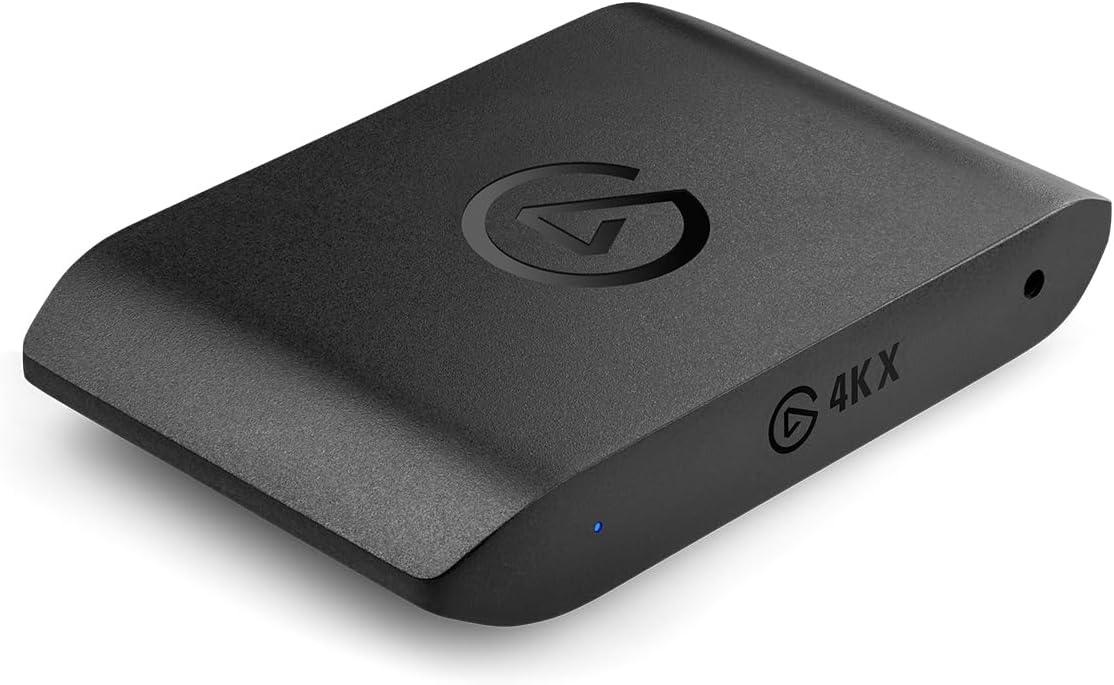
The Elgato 4K X stands out for its ability to capture 4K144Hz content, making it ideal for next-gen console and high-end PC streaming. It is highly rated by professionals who demand crystal-clear visuals.
We may earn a commission when you buy through this link, at no additional cost to you.
HDMI 2.1 connectivity allows for high bandwidth transfer which is essential for maintaining quality at high frame rates. The VRR passthrough ensures that gameplay remains smooth and tear-free while you stream live.
While it is a significant investment, the performance benefits justify the cost for serious content creators. The USB 3.2 Gen 2 interface ensures that data transfer is fast enough to keep up with the capture rates.
Streamers looking for premium quality and future-proof hardware should consider this model. It balances high resolution and frame rate capture with reliable latency performance effectively.
VRR passthrough technology eliminates screen tearing ensuring a smooth viewing experience for both the streamer and the audience.
USB 3.2 Gen 2 provides the necessary speed to handle uncompressed video data from high frame rate gaming sessions.
We may earn a commission when you buy through this link, at no additional cost to you.
This device offers 4K60FPS capture which is rare at its price point making it attractive for budget-conscious high-resolution streamers. Users appreciate its ability to work across a wide range of operating systems.
We may earn a commission when you buy through this link, at no additional cost to you.
The support for Android and Linux adds versatility for mobile streaming setups or server-based recording environments. Audio in and out ports allow you to manage voice chat directly through the capture card.
Some users report occasional driver conflicts on specific OS versions which might require troubleshooting. Despite this, the raw hardware capability supports high frame rate inputs well when configured correctly.
It is a solid choice for those who need flexibility in device compatibility without sacrificing resolution quality. If you prioritize feature breadth over brand name, this unit delivers significant value.
Support for Android and Linux extends its usability beyond standard Windows PCs for diverse streaming workflows.
Capturing 4K60FPS allows for high-detail recordings suitable for professional content creation and archival purposes.
We may earn a commission when you buy through this link, at no additional cost to you.
The acer capture card focuses on delivering stable 1080P video with minimal latency which is perfect for competitive gaming streams. It has earned positive feedback for its simplicity and reliability.
We may earn a commission when you buy through this link, at no additional cost to you.
You can plug in a headset directly to the mic input which saves space in your streaming setup. The loop-out feature lets you play games while capturing without noticeable lag on your monitor.
While it does not support 4K output it handles 1080P content with rich colors thanks to YUY2 technology. The compact size ensures it can be carried easily for on-the-go streaming events.
This device is recommended for streamers who prioritize stability and ease of use over high resolution. It is an excellent backup or primary card for 1080P focused content.
The built-in mic input allows for direct headset connection simplifying your audio chain during live streams.
Its small footprint makes it easy to pack in a laptop bag for remote streaming or travel.
We may earn a commission when you buy through this link, at no additional cost to you.
The PORTTA DX20R offers a strong balance between capture quality and passthrough performance for high refresh rate games. It supports capturing at 4K60Hz while maintaining 240Hz passthrough for smooth monitoring.
We may earn a commission when you buy through this link, at no additional cost to you.
A dedicated utility software allows you to manage settings like audio mixing and firmware updates from one place. This level of control is useful for streamers who want to tweak performance without restarting.
Users with high-refresh monitors will appreciate the passthrough feature that keeps gameplay fluid. However, the software requires installation which adds a step to the initial setup process.
It is a good choice for mid-level streamers who need more than basic plug-and-play functionality. If you value control over your capture settings and high-speed passthrough this model serves well.
The CapHub utility provides detailed control over audio and video settings for a customized streaming experience.
Passthrough up to 240Hz ensures you do not lose frame rate fidelity while streaming live content.
We may earn a commission when you buy through this link, at no additional cost to you.
ASUS designed this card with durability in mind using an alloy shell that resists wear and tear during transport. It is rated highly for its robust build quality and near-zero latency performance.
We may earn a commission when you buy through this link, at no additional cost to you.
The USB 3.2 Type-C connection ensures fast data transfer rates necessary for 1080P at 120 FPS. Certification with OBS guarantees compatibility with one of the most popular streaming tools available today.
While it supports HDR passthrough it caps 4K capture at 30 Hz which may not suit all high frame rate needs. However for 1080P gaming it delivers fluid motion without screen tearing.
Streamers who need a reliable device that withstands frequent travel will find this appealing. If you value hardware integrity and consistent performance on 1080P this card is worth considering.
The alloy outer shell provides extra protection making it suitable for travel and LAN parties.
Certified compatibility with OBS Studio simplifies integration and reduces potential configuration errors.
We may earn a commission when you buy through this link, at no additional cost to you.
This card is engineered for high refresh rate gaming supporting up to 240Hz capture at 1080P. It delivers impressive performance for competitive streamers who need to show every frame clearly.
We may earn a commission when you buy through this link, at no additional cost to you.
ALLM and VRR support ensure that your gameplay remains smooth and responsive during capture. The audio ports allow you to mix game sound and voice chat directly in the device.
The true plug and play functionality means you can start streaming immediately without extra steps. However it is slightly higher in price compared to basic budget options.
It is ideal for those streaming competitive FPS games where frame rate precision matters. If high-speed capture and audio control are priorities this device fits your requirements well.
Support for 1080P at 240Hz allows for ultra-smooth capture of fast-paced competitive gaming sessions.
Dedicated audio ports give you control over game and voice audio levels during streams.
We may earn a commission when you buy through this link, at no additional cost to you.
The AVerMedia GC575 is an internal card that connects directly to your motherboard for stable performance without external cables. It is praised for its reliability and consistent capture quality.
We may earn a commission when you buy through this link, at no additional cost to you.
HDMI 2.1 support ensures you can capture high resolution content from next-gen consoles effectively. Its ultra-low latency design keeps the broadcast synchronized with your gameplay input.
Installing an internal card requires opening your PC which might be difficult for some users. But once installed it offers a more permanent and stable solution than external USB units.
Streamers with a dedicated desktop PC who want maximum stability should consider this option. It provides a robust solution for long-term streaming setups without external clutter.
Internal PCIe installation offers a direct connection to the PC reducing potential external connection errors.
4K60 recording capabilities ensure you capture high-quality content from modern gaming consoles.
We may earn a commission when you buy through this link, at no additional cost to you.
The Elgato 4K Pro is the top premium choice offering 8K60 passthrough for future-proofing and 4K60 capture for high-quality streaming. It is highly rated by professionals who demand the best hardware.
We may earn a commission when you buy through this link, at no additional cost to you.
HDMI 2.1 connectivity ensures that the card handles the latest console signals without bottlenecks. The internal design provides a cleaner setup and stable performance without USB bandwidth limitations.
The ultra-low latency sync ensures that every visual is captured with precision. While it is a significant investment it delivers unmatched reliability for serious content production.
This device is for streamers who prioritize quality over cost. If you need a long-term solution for 4K streaming and have a compatible PC this card is the gold standard.
8K60 passthrough ensures compatibility with future displays and content formats without needing to upgrade hardware.
Built to professional standards it offers consistent performance for demanding daily streaming schedules.
We may earn a commission when you buy through this link, at no additional cost to you.
Selecting the right capture card involves evaluating resolution, frame rates, and connectivity to match your streaming requirements.
When streaming high FPS gameplay it is essential to choose a card that supports the resolution and frame rate your gaming console or PC outputs. Look for devices that offer 1080P at 60Hz or higher to ensure smooth motion during fast-paced action.
Prioritize models that explicitly state support for high frame rates like 120Hz or 144Hz if you play competitive titles.
Low latency is critical for live streams because high delay can make gameplay feel unresponsive or out of sync with audio. Select cards that advertise ultra-low latency or near-zero latency technologies to maintain real-time interaction.
Devices with HDMI loop-out features often provide better latency experiences for the streamer during live broadcasts.
The type of connection available on your computer determines which capture card will work effectively. USB 3.0 is standard but USB 3.2 or Type-C may offer faster data transfer for high-resolution content.
Ensure the card has HDMI 2.1 ports if you need to support 4K or 8K signals from next-gen consoles.
External capture cards connect via USB and are portable making them easy to set up without opening your PC. Internal cards connect to the motherboard and often provide better stability and faster processing speeds.
Choose internal units if you have an available PCIe slot and want maximum performance while external units suit laptops or limited setups.
Your capture card must work seamlessly with streaming software like OBS or Streamlabs to avoid technical glitches. Most modern cards are UVC compliant and recognized automatically by major platforms without drivers.
Check specific certifications or compatibility lists provided by manufacturers to ensure smooth integration.
Many streamers need to capture game audio along with their own commentary which requires a card with dedicated audio inputs. Look for 3.5mm mic-in ports if you plan to connect headsets directly to the capture device.
Models that support separate audio tracks or mixing simplify post-production and live streaming workflows.
If you plan to transport your equipment frequently or use it daily a durable build is important to withstand wear and tear. Alloy shells and compact designs help protect internal components and prolong the device lifespan.
Selecting a sturdy unit reduces the risk of connection failures or physical damage over time.
Capture cards vary widely in price from budget-friendly options to premium professional units. Determine what features are essential for your setup to avoid overspending on unnecessary capabilities.
Investing in a card that balances quality and affordability ensures long-term satisfaction without draining your budget.
To set up your capture card connect the HDMI cable from your console or PC to the input port on the device and then connect the USB cable to your computer. This creates the bridge required for video and audio transmission.
Install any necessary streaming software and select the capture card as your video source within the application settings. Ensure the resolution and frame rate settings match the output of your gaming device for optimal quality.
Keep the device clean by dusting it occasionally and ensuring ventilation is not blocked to prevent overheating during long streaming sessions. Avoid yanking cables to maintain secure connections and extend the lifespan of your hardware.
Most modern capture cards are designed to be plug-and-play meaning they work without additional driver installations. However checking the manufacturer website for specific firmware updates can improve performance and stability over time.
1080P60Hz captures more frames per second providing smoother motion for fast-paced gameplay whereas 4K30Hz offers higher resolution details. Choose 1080P60Hz for competitive streams and 4K for detailed content creation.
Yes external USB capture cards work with laptops as long as you have a compatible USB port and adequate processing power. Just ensure your laptop meets the minimum system requirements for your streaming software.
Lag can occur due to network issues insufficient computer resources or the capture card not being configured correctly. Check your internet upload speed and ensure your streaming settings match your hardware capabilities.
External capture cards generally do not impact game performance since they process video independently of your PC. Internal cards may share resources slightly but are usually optimized to minimize any effect on gameplay.
HDMI 2.0 is sufficient for 4K30Hz capture while HDMI 2.1 is recommended for 4K60Hz or higher frame rates. For the best high FPS gameplay ensure your card supports HDMI 2.1 connectivity.
Many capture cards have built-in audio capture and some support 3.5mm audio inputs for microphones or headsets. Always check the audio options in your streaming software to configure sound properly.
If you see a black screen ensure the HDMI cables are securely connected and the correct input source is selected in your software. Also verify that your capture card is recognized by your operating system.
This guide has reviewed ten top capture cards that balance performance reliability and features for high FPS streaming. The Elgato 4K X and BlueAVS models offer strong support for high frame rates and resolutions.
When making your decision prioritize latency and frame rate support to ensure your streams look smooth and professional. Consider your specific budget and hardware setup to find the best fit for your needs.
Keep in mind that product availability and features may evolve over time. Always check current specifications and compatibility before purchasing to ensure you are investing in the right technology.